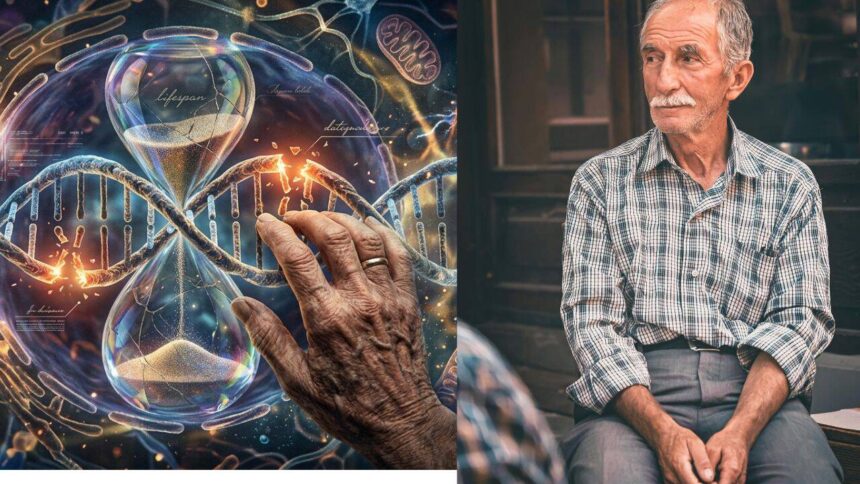
For centuries, humans have been searching for the secret to eternal youth, trying to unravel the mysteries of aging and find ways to extend our lifespan. From ancient civilizations to modern times, the quest for longevity has been a universal pursuit, driven by the desire to live a longer, healthier life. However, a recent study suggests that aging may not be the primary reason humans die, and that a hidden type of DNA damage could be the key to determining how long we live. This revelation opens up new avenues of research and challenges our understanding of the aging process, raising questions about the very fabric of life itself.
The Biology of Aging
Aging is a complex and multifaceted process that affects all living organisms, from the simplest bacteria to the most complex mammals. As we age, our cells undergo a series of changes that can lead to a decline in physical and mental function, making us more susceptible to disease and ultimately, death. However, the underlying mechanisms of aging are still not fully understood, and scientists have long been searching for the underlying causes of this universal process. The latest research suggests that DNA damage, particularly epigenetic changes, may play a crucial role in determining our lifespan, and that this damage can occur even in the absence of external factors such as environmental stress or lifestyle choices.
Epigenetic changes refer to chemical modifications that affect gene expression without altering the underlying DNA sequence. These changes can be influenced by a range of factors, including environmental exposures, lifestyle choices, and genetic predisposition. The study found that certain types of epigenetic changes, such as DNA methylation and histone modification, can lead to the activation of genes that promote aging and the suppression of genes that promote longevity. This can create a vicious cycle, where the accumulation of epigenetic changes leads to further aging and decline, ultimately determining our lifespan.
The Impact of DNA Damage
The implications of this research are profound, and challenge our current understanding of the aging process. If DNA damage is the primary driver of aging, then it may be possible to develop new therapies that target this damage, potentially leading to significant increases in human lifespan. This could involve the development of new drugs or therapies that repair or reverse epigenetic changes, or the use of existing therapies in new and innovative ways. For example, researchers are currently exploring the use of senolytic therapy, which involves the use of small molecules to selectively target and eliminate senescent cells, a type of cell that is thought to contribute to the aging process.
The study also raises important questions about the role of lifestyle and environmental factors in determining our lifespan. If epigenetic changes are influenced by external factors, then it may be possible to reduce the risk of DNA damage and promote healthy aging through lifestyle choices such as diet, exercise, and stress reduction. This could involve the development of personalized medicine approaches, where individuals are given tailored advice and interventions based on their unique genetic and epigenetic profile. By understanding the complex interplay between genes, environment, and lifestyle, we may be able to develop new strategies for promoting healthy aging and increasing human lifespan.
A New Frontier in Aging Research
The discovery of the role of DNA damage in determining human lifespan opens up a new frontier in aging research, and raises exciting possibilities for the development of new therapies and interventions. As scientists continue to explore the complex mechanisms of aging, we may uncover new and innovative ways to promote healthy aging and increase human lifespan. This could involve the use of cutting-edge technologies such as gene editing and stem cell therapy, or the development of new drugs and therapies that target the underlying causes of aging. Whatever the future holds, one thing is clear: the search for the secret to eternal youth is far from over, and the latest research suggests that the key to a longer, healthier life may lie in the hidden world of DNA damage and epigenetic change.
As we look to the future, it is clear that the study of aging and DNA damage will continue to be an important area of research, with significant implications for human health and wellbeing. By understanding the complex mechanisms of aging, we may be able to develop new strategies for promoting healthy aging, increasing human lifespan, and improving our overall quality of life. The journey ahead will be long and challenging, but the potential rewards are immense, and the latest research suggests that the secret to a longer, healthier life may be hidden in the very fabric of our cells.