{“title”:”The Healing Power of Art: How Van Gogh’s Starry Night Transcends Time”,”content”:”
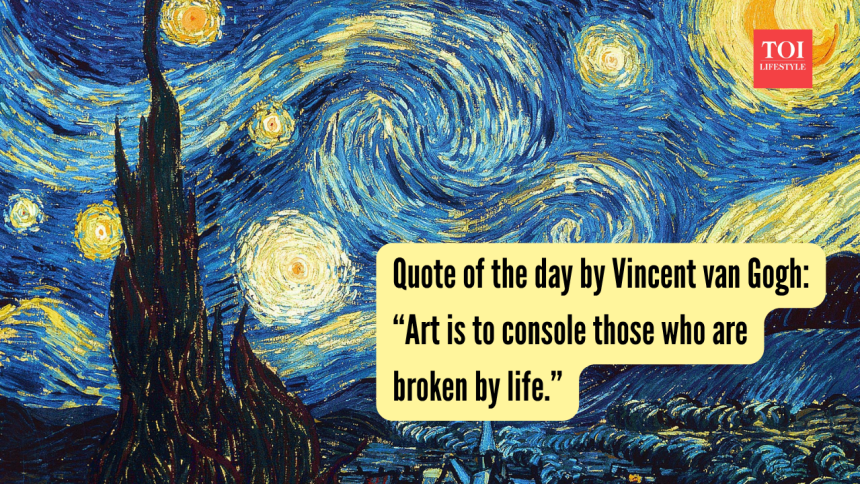
In a world filled with darkness and despair, Vincent van Gogh’s Starry Night stands as a beacon of hope, a masterpiece that continues to captivate art lovers for generations. Painted in 1889, this iconic post-impressionist work is more than just a beautiful representation of the night sky – it’s a testament to the human spirit’s ability to find solace in the face of adversity. As Van Gogh himself once said, “Art is to console those who are broken by life,” and his Starry Night is a poignant reminder of the healing power of art.
Breaking Down Barriers: The Emotional Resonance of Starry Night
Van Gogh’s Starry Night is often described as a painting that looks straight out of a dream, with swirling clouds and stars that seem to dance across the canvas. But beneath its ethereal beauty lies a complex emotional landscape, one that speaks to the artist’s own struggles with mental health and feelings of isolation. Painted during a period of intense personal turmoil, Starry Night is a reflection of Van Gogh’s own brokenness, a desperate attempt to find meaning and purpose in a world that seemed determined to crush him.
And yet, despite its origins in suffering, Starry Night is no melancholy work. Rather, it’s a painting that exudes a sense of hope and renewal, a reminder that even in the darkest of times, there’s always a chance for redemption and rebirth. This is the magic of art, the way it can transcend the boundaries of time and space to speak directly to our hearts and souls.
The Science of Healing: How Art Affects the Brain
So what is it about art that makes it so effective at healing our emotional wounds? The answer lies in the way it affects our brain chemistry, releasing a cocktail of neurotransmitters that help to calm our fears and soothe our pain. Studies have shown that exposure to art can lower cortisol levels, reduce stress and anxiety, and even alleviate symptoms of depression. And it’s not just visual art that has this effect – music, literature, and other forms of creative expression can all have a profound impact on our mental well-being.
One of the key factors at play here is the way art taps into our emotional memory, triggering a response that’s both personal and primal. When we look at a beautiful work of art, our brain is flooded with sensory information, from the colors and textures to the emotions and associations that come flooding back. This is why art can be so powerful at evoking feelings of nostalgia and longing, why it can transport us to a different time and place with a single glance.
Legacy of Hope: The Lasting Impact of Van Gogh’s Starry Night
Today, Van Gogh’s Starry Night remains one of the most beloved and iconic paintings in the world, a testament to the artist’s genius and the enduring power of his work. But its impact goes far beyond the art world, speaking to a deeper human need for connection and transcendence. In a world that’s increasingly fragmented and isolating, Starry Night reminds us of the healing power of art, the way it can bring us together and inspire us to create something new and beautiful.
As we gaze up at the swirling clouds and stars of Van Gogh’s masterpiece, we’re reminded of the artist’s own words: “Art is to console those who are broken by life.” In a world that’s often cruel and unforgiving, Starry Night stands as a beacon of hope, a shining reminder that even in the darkest of times, there’s always a chance for redemption and rebirth.
“,”excerpt”:”Vincent van Gogh’s Starry Night is more than just a beautiful painting – it’s a testament to the healing power of art, a reminder that even in the darkest of times, there’s always a chance for redemption and rebirth.”,”tags”:[“art”,”healing”,”mental health”,”van gogh”,”starry night”],”meta_description”:”Discover the healing power of art through Vincent van Gogh’s iconic Starry Night painting.”}