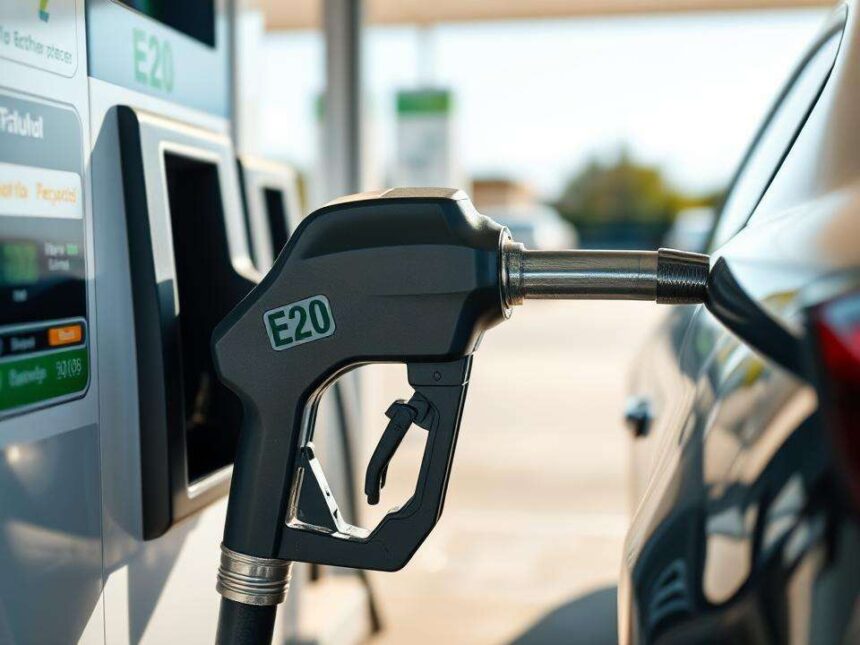
The Indian government’s ambitious plan to introduce ethanol-blended petrol has sparked concerns over the compatibility of vehicles with the new fuel type. In a surprising revelation, the government has admitted that it has not conducted an assessment to determine the number of vehicles in the country that can run smoothly on E20 fuel, which contains 20% ethanol. This lack of preparedness has raised eyebrows, especially since the government is keen to push ahead with the ethanol blending programme, citing its potential to reduce the country’s dependence on fossil fuels and mitigate climate change.
E20 Fuel Compatibility: A Grey Area
The government’s response to a query in Parliament has highlighted the uncertainty surrounding the compatibility of vehicles with E20 fuel. While the government claims that the ethanol blending programme is backed by scientific studies and consultations with automobile manufacturers and technical institutions, the absence of a comprehensive assessment of vehicle compatibility is a significant concern. The automotive industry has long been aware of the need to transition to cleaner fuels, but the sudden push for E20 fuel has caught many off guard, with some manufacturers expressing doubts about the readiness of their vehicles for the new fuel type.
The government’s decision to introduce E20 fuel without a thorough assessment of vehicle compatibility has also sparked fears of potential damage to vehicles, which could lead to increased maintenance costs and even accidents. The lack of clarity on the compatibility of vehicles with E20 fuel has also raised questions about the government’s preparedness to address any issues that may arise once the new fuel type is introduced. As the government rushes to meet its target of introducing E20 fuel, it is essential to ensure that the necessary infrastructure and support systems are in place to mitigate any potential risks.
Automotive Industry’s Response
The automotive industry has been grappling with the challenges of transitioning to cleaner fuels, and the introduction of E20 fuel has added a new layer of complexity to the process. While some manufacturers have expressed support for the government’s initiative, others have raised concerns about the compatibility of their vehicles with the new fuel type. The industry has been working to develop vehicles that can run on a variety of fuel types, including ethanol-blended petrol, but the sudden push for E20 fuel has accelerated the need for compatibility testing and certification.
The Society of Indian Automobile Manufacturers (SIAM) has urged the government to provide clarity on the introduction of E20 fuel and to ensure that the necessary infrastructure is in place to support the new fuel type. The industry body has also sought assurances that the government will provide support for the development of vehicles that can run on E20 fuel, including incentives for manufacturers to invest in research and development. As the government and the automotive industry work together to introduce E20 fuel, it is essential to ensure that the transition is smooth and that the interests of all stakeholders are protected.
Way Forward
The introduction of E20 fuel is a significant step towards reducing India’s dependence on fossil fuels and mitigating climate change. However, the government’s lack of preparedness on the compatibility of vehicles with the new fuel type has raised concerns about the potential risks and challenges associated with the transition. To address these concerns, the government must conduct a comprehensive assessment of vehicle compatibility and provide clarity on the introduction of E20 fuel, including the timeline and the necessary infrastructure to support the new fuel type.
The government must also work closely with the automotive industry to ensure that vehicles are compatible with E20 fuel and that the necessary support systems are in place to mitigate any potential risks. This includes providing incentives for manufacturers to invest in research and development, as well as ensuring that the necessary infrastructure, including fuel stations and maintenance facilities, is in place to support the new fuel type. As India takes a leap of faith towards a cleaner and more sustainable future, it is essential to ensure that the transition is smooth and that the interests of all stakeholders are protected.