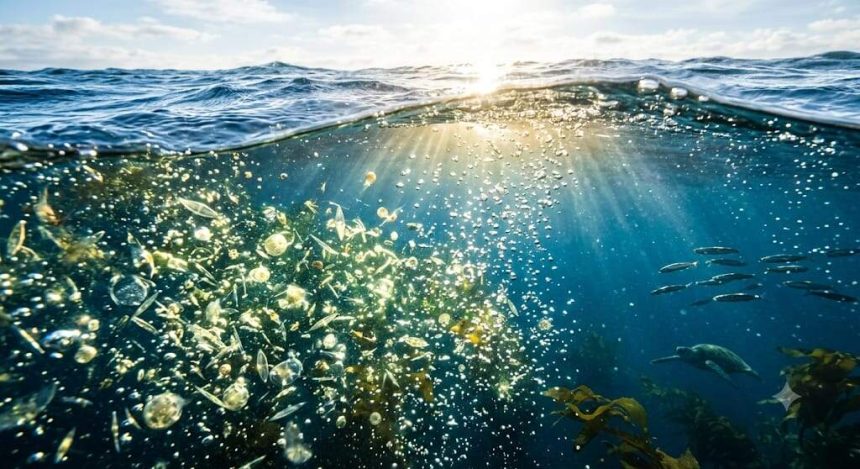
The world’s most vital ecosystems are often the most overlooked, and one of the most striking examples of this is the ocean’s role in producing the oxygen we breathe. While many of us assume that the Amazon rainforest is the primary source of oxygen, the truth is that the ocean is responsible for generating between 50-85% of the Earth’s oxygen. This staggering fact is thanks to the tiny, invisible life forms that call the ocean home, including phytoplankton, cyanobacteria, and other microorganisms that work tirelessly to produce the oxygen that sustains our planet.
The Ocean’s Oxygen Factory
The ocean’s oxygen production is a complex process that involves a delicate balance of nutrients, sunlight, and microscopic life. Phytoplankton, for example, are tiny plant-like organisms that use energy from the sun to convert carbon dioxide and water into glucose and oxygen. This process, known as photosynthesis, is the same one that occurs in plants on land, but in the ocean, it occurs on a much larger scale. In fact, it’s estimated that a single phytoplankton cell can produce as much oxygen as an entire tree.
Despite their importance, these tiny organisms are often overlooked in favor of more charismatic species like whales and dolphins. However, without phytoplankton and other microorganisms, the ocean’s ecosystem would collapse, and the planet would be unable to support life as we know it. The ocean’s oxygen factory is a remarkable example of the intricate web of relationships that exist between different species and ecosystems, and it highlights the need to protect and preserve these delicate balances.
The Importance of Ocean Conservation
The ocean’s role in producing oxygen is just one of the many reasons why conservation efforts are so critical. The ocean provides a range of ecosystem services, from regulating the climate to supporting commercial fisheries, and its health has a direct impact on human well-being. However, the ocean is facing numerous threats, including pollution, overfishing, and climate change, which can have devastating effects on phytoplankton and other microorganisms. For example, rising ocean temperatures can disrupt the delicate balance of nutrients and sunlight that phytoplankton need to survive, while pollution can reduce the amount of sunlight that reaches the ocean’s surface.
Conservation efforts, such as reducing pollution and protecting marine habitats, are essential for maintaining the health of the ocean’s ecosystem. This can involve implementing policies to reduce plastic waste, establishing marine protected areas, and promoting sustainable fishing practices. By taking these steps, we can help to preserve the ocean’s oxygen factory and ensure that the planet continues to have a healthy and thriving ecosystem.
The Future of Ocean Research
Despite the importance of the ocean’s oxygen production, there is still much to be learned about the complex processes that occur in the ocean. Scientists are working to better understand the relationships between different species and ecosystems, and to develop new technologies for monitoring and protecting the ocean’s health. For example, satellite imaging and remote sensing technologies are being used to track changes in ocean productivity and to identify areas where conservation efforts are needed.
As we look to the future, it’s clear that the ocean will play an increasingly important role in supporting life on Earth. By continuing to study and protect the ocean’s ecosystem, we can help to ensure that the planet remains healthy and thriving for generations to come. The hidden heroes of oxygen production may be small, but their impact is enormous, and it’s up to us to recognize and protect their importance.
The next time you take a breath, remember the tiny, invisible life forms that made it possible. The ocean’s oxygen production is a remarkable example of the natural world’s ability to support and sustain life, and it’s a powerful reminder of the importance of protecting our planet’s most vital ecosystems.