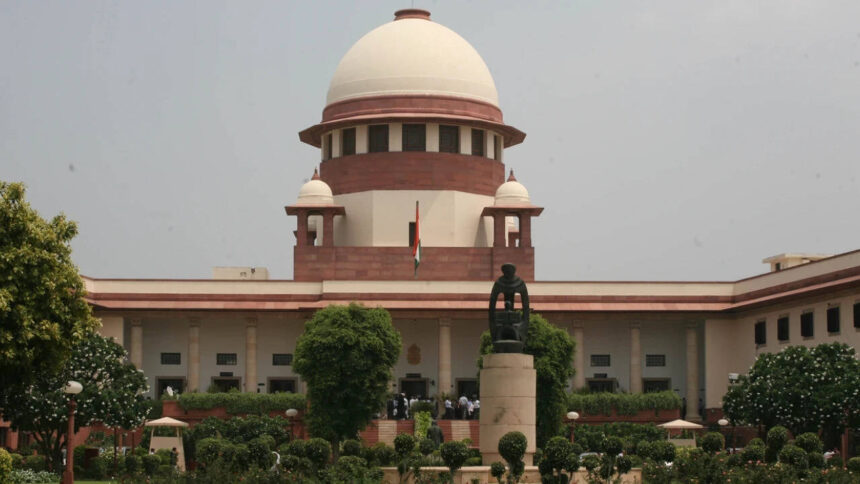
The integrity of India’s democratic process has been brought under the microscope as the Supreme Court raised pertinent questions regarding the selection process of the Chief Election Commissioner and Election Commissioners. The apex court’s observations come at a time when the Election Commission’s independence and impartiality have been subject to intense scrutiny. By highlighting the need for a transparent and unbiased process, the Supreme Court has underscored the significance of ensuring that the Election Commission is not only independent but also perceived to be so by the general public.
Need for Transparency and Accountability
The Supreme Court’s remarks were prompted by the fact that the Chief Justice of India is not included in the selection panel for the Chief Election Commissioner and Election Commissioners. This omission has sparked concerns about the potential for political interference in the selection process, which could compromise the Election Commission’s ability to function independently. The court’s observations emphasize the importance of having a selection process that is not only transparent but also accountable to the people.
The Election Commission’s independence is crucial for ensuring the integrity of the electoral process, and any perception of bias or political interference could undermine the public’s trust in the institution. The Supreme Court’s intervention in this matter is a timely reminder of the need for constant vigilance in protecting the principles of democracy and the rule of law. By seeking to ensure that the selection process is fair, transparent, and immune to political influence, the court is helping to safeguard the foundations of India’s democratic system.
Implications of the Supreme Court’s Observations
The Supreme Court’s observations have significant implications for the functioning of the Election Commission and the broader democratic process. By highlighting the need for an independent and impartial selection process, the court is emphasizing the importance of ensuring that the Election Commission is able to function without fear or favor. This is critical for maintaining the integrity of the electoral process and upholding the principles of democracy.
The court’s remarks also underscore the importance of having a robust and transparent system for selecting the Chief Election Commissioner and Election Commissioners. This could involve the establishment of a broad-based selection committee that includes representatives from various stakeholders, including the judiciary, civil society, and political parties. Such a committee could help to ensure that the selection process is fair, transparent, and accountable to the people.
Way Forward
The Supreme Court’s observations provide an opportunity for the government to reflect on the current selection process and consider reforms that could help to strengthen the independence and impartiality of the Election Commission. This could involve amendments to the relevant laws and regulations to ensure that the selection process is more transparent and accountable. The government could also consider establishing a broad-based selection committee that includes representatives from various stakeholders, as suggested earlier.
The Supreme Court’s intervention in this matter is a reminder of the importance of constant vigilance in protecting the principles of democracy and the rule of law. As the country continues to evolve and grow, it is essential that its democratic institutions are strengthened and protected from any potential threats. By ensuring that the Election Commission is independent, impartial, and transparent, India can help to maintain the integrity of its democratic process and uphold the principles of democracy and the rule of law. The Supreme Court’s observations are a timely reminder of the need for eternal vigilance in protecting these principles, and it is now up to the government to take the necessary steps to address the concerns raised by the court.