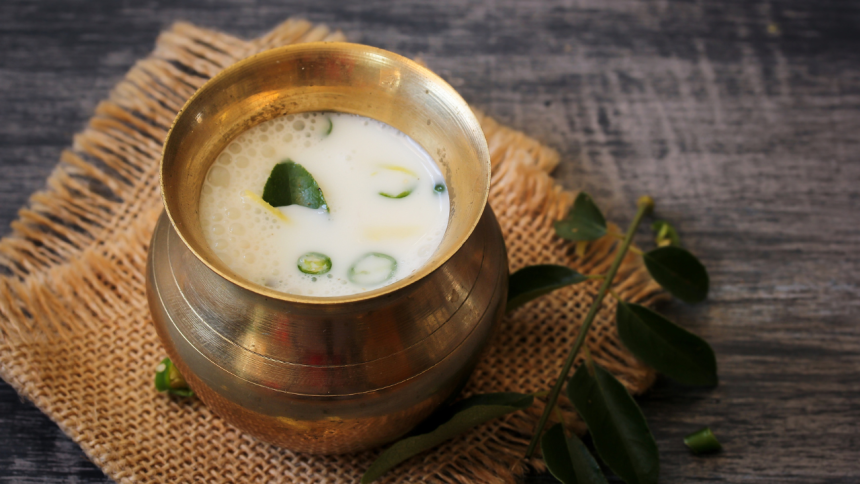
Imagine a world where food was not just a source of sustenance, but a tool for healing and wellness. A world where grandmothers passed down recipes and traditions that had been perfected over generations, and where every dish held the key to a longer, healthier life. This may seem like a distant memory, but for many Indians, this world is still very much alive. Long before modern nutrition existed, Indian kitchens were bustling with the wisdom of Ayurveda, the ancient practice of using food as medicine. While we may now speak of vitamins, probiotics, and anti-inflammatory compounds, the people of India have always known that the secrets to good health lie in the humblest of ingredients.
Ayurvedic Staples: The Foundations of a Healthy Diet
The Ayurvedic approach to food is based on the principle of balance and harmony. It recognizes that every individual has a unique constitution, or prakriti, which determines their susceptibility to certain health conditions. By eating foods that are tailored to their prakriti, individuals can maintain balance and prevent illness. One of the key staples of Ayurvedic cuisine is turmeric, a spice that has been used for centuries to treat everything from arthritis to wounds. Rich in antioxidants and anti-inflammatory compounds, turmeric is now recognized for its impressive nutritional value and health-supporting properties. In Ayurvedic medicine, turmeric is believed to have a cooling effect on the body, making it an ideal ingredient for treating conditions such as fever and inflammation. When added to warm milk, turmeric becomes a soothing remedy for sore throats and coughs, while its anti-inflammatory properties make it a natural pain reliever.
Another staple of Ayurvedic cuisine is ghee, a type of clarified butter that is rich in vitamins A, D, and E. Ghee has been used for centuries to treat a range of health conditions, including digestive problems and respiratory issues. In Ayurvedic medicine, ghee is believed to have a warming effect on the body, making it an ideal ingredient for treating conditions such as colds and coughs. When consumed after a heavy meal, ghee can help to stimulate digestion and prevent the buildup of toxins in the body.
The Power of Ayurvedic Spices: Unlocking the Secrets of Indian Cuisine
Ayurvedic spices are not just used for flavor, but for their medicinal properties as well. One of the most commonly used spices is cumin, which has been used for centuries to treat digestive problems and respiratory issues. In Ayurvedic medicine, cumin is believed to have a warming effect on the body, making it an ideal ingredient for treating conditions such as colds and coughs. When consumed with warm water, cumin can help to stimulate digestion and prevent the buildup of toxins in the body. Another spice that is commonly used in Ayurvedic cuisine is coriander, which has been used for centuries to treat a range of health conditions, including fever and inflammation. In Ayurvedic medicine, coriander is believed to have a cooling effect on the body, making it an ideal ingredient for treating conditions such as arthritis and skin conditions.
One of the most unique spices in Ayurvedic cuisine is cardamom, which has been used for centuries to treat digestive problems and respiratory issues. In Ayurvedic medicine, cardamom is believed to have a warming effect on the body, making it an ideal ingredient for treating conditions such as colds and coughs. When consumed with warm water, cardamom can help to stimulate digestion and prevent the buildup of toxins in the body.
The Art of Ayurvedic Cooking: A Journey of Discovery
Ayurvedic cooking is not just about following recipes, but about understanding the principles of balance and harmony. It requires a deep understanding of the ingredients, their properties, and how they interact with the body. In Ayurvedic cuisine, every ingredient is carefully selected to promote balance and prevent illness. From the spices used to season the food to the type of oil used for cooking, every detail is carefully considered to create a dish that is tailored to the individual’s prakriti. When cooked with love and intention, Ayurvedic food becomes a journey of discovery, a path to understanding the secrets of the body and the power of food to heal and nourish.
In a world where modern nutrition has become increasingly complex, the wisdom of Ayurvedic cuisine offers a refreshing alternative. By returning to the simple, wholesome ingredients of our ancestors, we can rediscover the health secrets of the past and unlock the full potential of our bodies. Whether you are a seasoned cook or a curious beginner, the art of Ayurvedic cooking offers a journey of discovery that will leave you feeling nourished, balanced, and at peace.