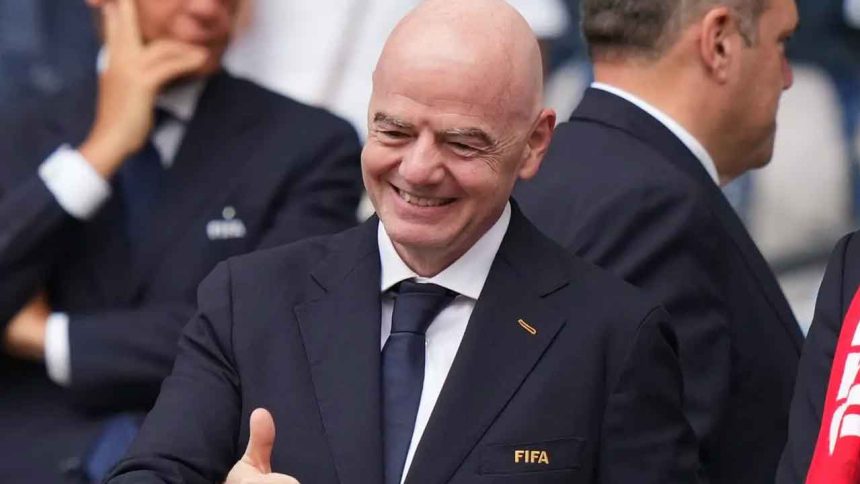
FIFA president Gianni Infantino has made a stunning U-turn on his proposal to sell a stake in the commercial rights of the FIFA World Cup, following a fierce backlash from football governing bodies and stakeholders worldwide. The plan, which had been touted as a means of generating significant revenue for the organization, was met with widespread criticism and opposition, ultimately forcing Infantino to withdraw the proposal. The abrupt reversal is a significant victory for those who had argued that the plan would undermine the integrity and independence of the World Cup.
Background to the Proposal
The proposal to sell a stake in the commercial rights of the FIFA World Cup had been a contentious issue for several months, with many questioning the wisdom of allowing private equity firms to gain a foothold in the organization. Critics had argued that such a move would not only compromise the independence of the World Cup but also pave the way for commercial interests to exert undue influence over the sport. The plan had been seen as a key part of Infantino’s efforts to increase revenue for FIFA, but it had clearly misjudged the mood of the football community.
As the news of the proposal broke, football governing bodies from across the globe had voiced their opposition to the plan, citing concerns over the potential consequences for the sport. The European football governing body, UEFA, had been particularly vocal in its criticism, warning that the plan would damage the integrity of the World Cup and undermine the sport’s values. With the opposition showing no signs of abating, Infantino had little choice but to abandon the proposal and revert to the drawing board.
Implications of the U-Turn
The decision to withdraw the proposal is a significant development, not only for FIFA but also for the broader football community. It sends a clear message that the sport’s governing bodies are willing to stand up to commercial interests and protect the integrity of the game. The U-turn is also a major embarrassment for Infantino, who had invested significant political capital in the proposal. However, it also presents an opportunity for him to regroup and reassess FIFA’s revenue generation strategy, potentially exploring alternative approaches that are more palatable to the football community.
The implications of the decision will be far-reaching, with potential consequences for FIFA’s financial planning and budgeting. The organization will need to explore alternative revenue streams, potentially including new sponsorship deals or broadcasting rights agreements. The experience will also serve as a reminder of the importance of engaging with stakeholders and listening to their concerns, rather than attempting to impose top-down decisions that are likely to be met with resistance.
Future Directions
As FIFA moves forward, it will be important for the organization to rebuild trust with its stakeholders and develop a more collaborative approach to decision-making. This may involve engaging in more open and transparent dialogue with football governing bodies, leagues, and clubs, as well as listening to the concerns of fans and other stakeholders. By doing so, FIFA can work towards developing a revenue generation strategy that is both effective and sustainable, while also protecting the integrity and independence of the World Cup.
The experience has also highlighted the importance of strong governance and leadership within FIFA, as well as the need for the organization to prioritize the interests of the sport over commercial considerations. As the football community looks to the future, it is clear that there will be many challenges to overcome, but also opportunities to shape the sport and ensure that it remains true to its values and principles. With the private equity proposal now off the table, FIFA has a chance to restart and refocus its efforts, working towards a brighter future for the World Cup and the sport as a whole.