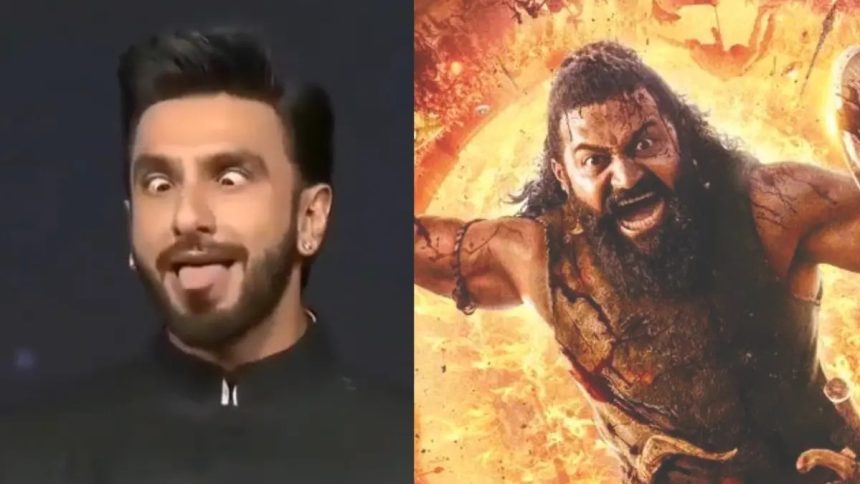
The world of entertainment is no stranger to controversy, but the latest row surrounding Bollywood star Ranveer Singh has sparked a crucial conversation about the responsibility of public figures to respect religious sentiments. At the heart of the issue is a seemingly innocuous interaction between Singh and Kantara star Rishab Shetty, which has spiralled into a heated debate about the boundaries of artistic expression and cultural sensitivity. As the story unfolds, it’s clear that this is more than just a celebrity mishap – it’s a reflection of the complex and often fraught relationship between art, identity, and community.
Artistic Freedom and Cultural Accountability
The incident has raised important questions about the role of artists in navigating the fine line between creative freedom and cultural respect. On one hand, the ability to push boundaries and challenge social norms is a fundamental aspect of artistic expression. On the other hand, public figures have a unique platform and influence that can either unify or alienate communities. The fact that Singh is set to apologise in court and visit the Chamundi temple suggests a recognition of the harm caused and a willingness to make amends – but it also highlights the need for greater awareness and sensitivity in the entertainment industry.
The issue is further complicated by the fact that cultural norms and values are constantly evolving, and what may be considered acceptable in one context may be deeply offensive in another. This is particularly true in a country like India, where diverse traditions and beliefs coexist in a rich and complex cultural landscape. As the entertainment industry continues to grow and globalise, it’s essential that artists and producers are mindful of these nuances and take steps to educate themselves and their audiences.
The Power of Apology and Restorative Action
Singh’s decision to apologise and visit the Chamundi temple is a significant step towards healing and rebuilding trust with the community. By acknowledging the hurt caused and taking concrete actions to make amends, he is demonstrating a commitment to accountability and respect. This approach can be a powerful model for other public figures and artists, who often find themselves at the centre of controversy and scrutiny. Rather than becoming defensive or dismissive, Singh’s response shows that it’s possible to listen, learn, and grow from mistakes – and that this process can ultimately strengthen relationships and foster greater understanding.
The fact that the Karnataka High Court has emphasised the responsibility of public figures to respect religious sentiments also underscores the importance of restorative action. By acknowledging the harm caused and taking steps to repair it, individuals and communities can work towards healing and reconciliation. This approach can help to build bridges and promote greater empathy and understanding – and it’s an essential part of creating a more just and equitable society.
Looking Ahead: The Future of Art and Identity
As the entertainment industry continues to evolve and grow, it’s clear that the relationship between art, identity, and community will remain a complex and multifaceted issue. The story of Ranveer Singh and the Kantara row serves as a reminder that even the most well-intentioned actions can have unintended consequences – and that artists and public figures have a unique responsibility to consider the impact of their words and actions. By engaging in open and honest dialogue, listening to diverse perspectives, and prioritising cultural sensitivity and respect, we can work towards creating a more inclusive and compassionate cultural landscape.
Ultimately, the future of art and identity will depend on our ability to navigate the blurred lines between creative expression and cultural respect. As we move forward, it’s essential that we prioritise empathy, understanding, and restorative action – and that we recognize the power of art to both unite and divide. By doing so, we can create a more just and vibrant cultural landscape that reflects the diversity and complexity of our shared human experience.
The incident may have started as a minor controversy, but it has sparked a much-needed conversation about the role of artists and public figures in shaping our cultural narrative. As we look to the future, it’s clear that this conversation will only continue to grow in importance – and that the entertainment industry has a unique opportunity to lead the way in promoting greater understanding, empathy, and respect.