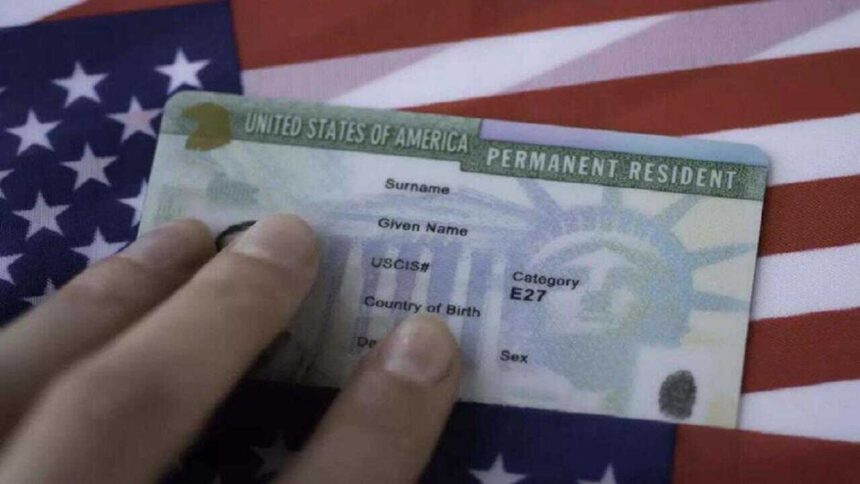
The US Citizenship and Immigration Services (USCIS) has announced a significant rule change that is set to impact numerous categories of visa and Green Card applicants. The new rule, which has been met with widespread criticism from immigration experts, grants USCIS officers the authority to deny applications that are deemed incomplete, without first requesting additional documentation. This move is seen as another step in the Trump administration’s efforts to dismantle the legal immigration system, which has been a cornerstone of American society for decades.
Understanding the New Rule
The new rule applies to a wide range of immigration applications, including H-1B visas, which are highly sought after by skilled foreign workers. Under the previous system, USCIS officers were required to send a Request for Evidence (RFE) to applicants who had submitted incomplete applications, allowing them to provide the necessary documentation to support their claim. However, the new rule gives officers the discretion to deny applications outright, without providing applicants with the opportunity to rectify any deficiencies.
This change has sparked concerns among immigration experts, who argue that it will lead to a significant increase in application denials and create undue hardship for applicants. Many have expressed frustration with the lack of clarity and consistency in the application process, which they believe will only be exacerbated by the new rule. Furthermore, the rule change is seen as a continuation of the administration’s efforts to restrict legal immigration, which has already resulted in a decline in the number of visas issued to skilled foreign workers.
The Impact on Applicants
The new rule is likely to have a devastating impact on applicants who have invested significant time and resources into the application process. For many, the denial of their application will mean the end of their dreams of living and working in the United States. The rule change will also have significant implications for US employers, who rely on foreign talent to fill critical skill gaps in their workforce. The denial of H-1B visas, in particular, will have a disproportionate impact on the tech industry, which has long been a driving force behind American innovation and economic growth.
Immigration experts have also raised concerns about the potential for bias and discretion in the application process. With the new rule, USCIS officers will have significant latitude to deny applications, which could lead to inconsistent and unfair outcomes. This has sparked fears that the rule change will be used as a tool to discriminate against certain groups of applicants, particularly those from certain countries or with certain types of skills.
A Broader Agenda
The new rule is part of a broader agenda to restrict legal immigration, which has been a hallmark of the Trump administration’s policies. The administration has already implemented a number of changes aimed at reducing the number of immigrants entering the country, including the travel ban, the public charge rule, and the remain in Mexico policy. The new rule is seen as another step in this effort, which has been widely criticized by immigration advocates and experts.
The impact of the new rule will be felt far beyond the immigration community, with significant implications for the US economy and society as a whole. The restriction of legal immigration will only serve to exacerbate the existing skills gap in the US workforce, leading to reduced economic growth and competitiveness. Furthermore, the rule change will damage the US’s reputation as a beacon of opportunity and freedom, undermining the country’s ability to attract the best and brightest talent from around the world.