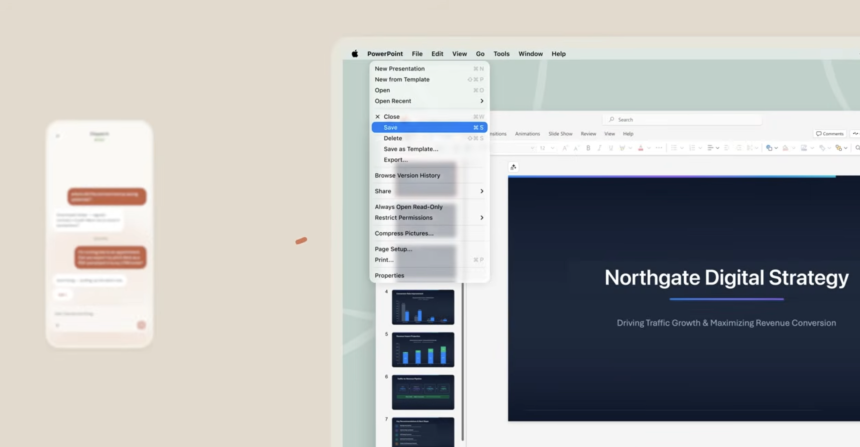
Imagine a future where your computer’s browser effortlessly navigates to a specific webpage, opens an app, and clicks a button to complete a task – all without your intervention. Sounds like science fiction, right? But thanks to a recent update from AI research firm Anthropic, that future is now a little closer to reality. The latest version of Claude Code and Cowork brings computer-use capabilities to macOS, enabling autonomous task execution via browser, mouse, and keyboard control. But as exciting as this development is, Anthropic is quick to caution that risks remain.
What Does This Mean for Users?
The updated Claude Code and Cowork is a significant leap forward in the field of AI-powered task automation. With this new capability, users can essentially delegate tasks to Claude, which can then execute them autonomously. For instance, Claude can open a browser, navigate to a specific webpage, and even fill out forms with pre-programmed information. The possibilities are endless, and users can expect to see a significant reduction in mundane tasks.
But the benefits don’t stop there. Claude’s ability to interact with the desktop and perform tasks autonomously also raises the bar for AI-powered productivity tools. As users become more comfortable delegating tasks to AI, we can expect to see a shift towards a more streamlined and efficient workflow. This, in turn, could lead to increased productivity and a better work-life balance.
But What About the Risks?
While the potential benefits of Claude’s new capability are undeniable, Anthropic is keenly aware of the risks involved. As AI-powered systems become more autonomous, there’s a greater risk of errors, security breaches, and even malicious activity. Claude’s ability to interact with the desktop raises concerns about data security and the potential for unauthorized access.
Moreover, as AI-powered systems become more integrated into our daily lives, there’s a risk of over-reliance on technology. This could lead to a loss of basic skills and a diminished ability to perform tasks independently. It’s essential to strike a balance between harnessing the power of AI and maintaining a level of human oversight and control.
What’s Next?
As we move forward with AI-powered task automation, it’s essential to prioritize caution and responsible development. Developers must ensure that AI-powered systems are designed with security and usability in mind. Users, too, must be aware of the risks involved and take steps to mitigate them.
The future of AI-powered task automation holds much promise, but it’s essential to address the risks and challenges head-on. By doing so, we can unlock the full potential of AI and create a more efficient, productive, and balanced work environment.
As we continue to push the boundaries of what’s possible with AI, it’s clear that the possibilities are endless. But with great power comes great responsibility, and it’s up to us to ensure that AI-powered systems are developed and used in a way that benefits humanity as a whole.