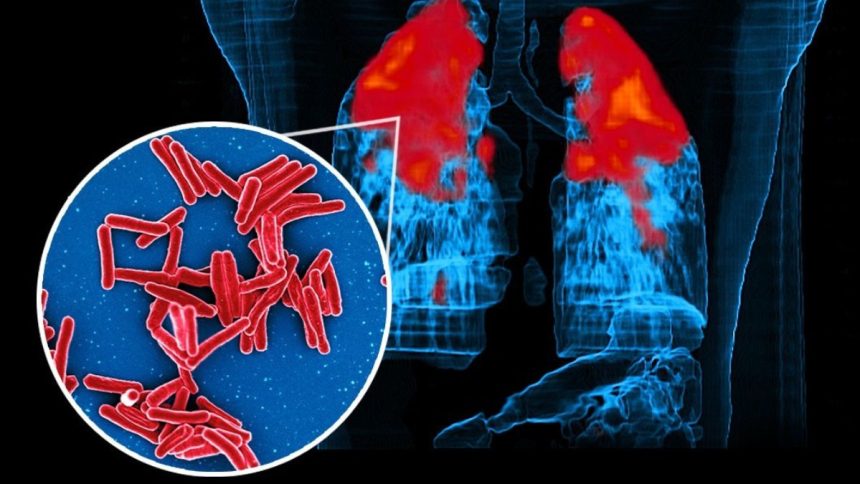
Tuberculosis, or TB, is a disease that has been haunting humanity for centuries. Despite being preventable and curable, it continues to claim thousands of lives in India every year. The numbers are staggering – every day, over 1,200 people die from TB in India, with many more suffering in silence. This is a crisis that demands attention, and it’s time we shine a light on the shocking reality of preventable TB deaths in India.
The Alarming Rise of TB Deaths
India has made significant progress in reducing TB cases and deaths over the years, but the pace of progress is slow. The disease still claims more lives in India than any other country, accounting for over a quarter of the world’s total TB deaths. The reasons are complex, but one major factor is the lack of access to quality healthcare, particularly in rural areas. Many people struggle to get diagnosed and treated, and even when they do, the care they receive is often inadequate. This is a tragedy that can be avoided with faster diagnosis, better nutrition support, and stronger primary healthcare.
The human cost of TB goes beyond the numbers. Families are torn apart, livelihoods are lost, and communities are devastated. The emotional toll of watching a loved one suffer from TB is immense, and the financial burden of treatment can be crippling. It’s a vicious cycle that perpetuates poverty and inequality, making it even harder for people to access the care they need. As a result, TB has become a silent killer in India, claiming lives and destroying families with alarming regularity.
The Challenges of Fighting TB
Fighting TB requires a multi-faceted approach that goes beyond just treating the disease. It demands a fundamental transformation of India’s healthcare system, with a focus on prevention, early diagnosis, and community-based care. This means investing in primary healthcare infrastructure, training more healthcare workers, and ensuring that everyone has access to quality care, regardless of their income or social status. It also requires addressing the social and economic determinants of health, such as poverty, malnutrition, and poor living conditions, which make people more vulnerable to TB.
Another critical challenge is the rise of drug-resistant TB, which is a major concern in India. As the disease becomes increasingly resistant to antibiotics, treatment becomes more complex and expensive, making it even harder for people to access care. This is a ticking time bomb that demands urgent attention, and it’s essential that India develops a comprehensive strategy to tackle drug-resistant TB, including investing in research and development of new treatments.
A Way Forward
So what can be done to tackle the crisis of preventable TB deaths in India? First and foremost, we need to prioritize primary healthcare and ensure that everyone has access to quality care, regardless of their background or income. This means investing in healthcare infrastructure, training more healthcare workers, and promoting community-based care. We also need to strengthen nutrition support and ensure that people have access to healthy food, clean water, and sanitation, which are essential for preventing TB.
Ultimately, the fight against TB is a fight for social justice. It’s about recognizing the inherent dignity and worth of every human being and ensuring that everyone has access to the care they need to live a healthy and fulfilling life. As we move forward, it’s essential that we keep the spotlight on TB and continue to push for change. We owe it to the thousands of people who die from TB every year, and to the millions more who suffer in silence. It’s time to act, and it’s time to make a difference.
The journey ahead will be long and challenging, but it’s not impossible. With collective action and determination, we can turn the tide against TB and create a healthier, more just society for all. The question is, will we rise to the challenge, or will we continue to let this silent killer claim thousands of lives every year? The choice is ours, and the time to act is now.