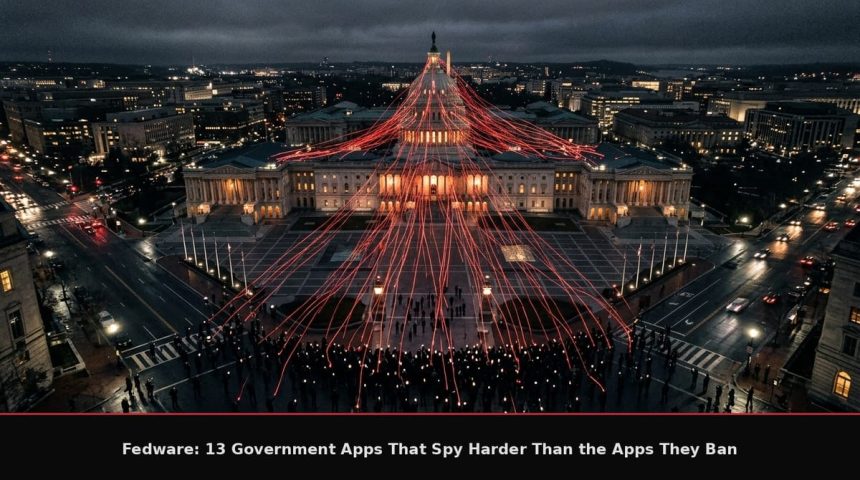
The rise of mobile technology has made it easier than ever for government agencies to connect with citizens, but a disturbing trend has emerged: government apps that spy on their users. The White House app, FBI app, and FEMA app have all been found to have questionable tracking and data collection practices, sparking concerns about the surveillance state and the potential for abuse of power. As we rely more and more on our smartphones to access important information and services, it’s alarming to think that the very apps meant to serve us could be secretly gathering our personal data.
Government Apps: A Trojan Horse for Surveillance
The White House app, which is meant to provide users with updates on the administration’s activities and policies, has been found to contain a sanctioned Chinese tracking SDK. This software development kit, or SDK, is used to collect user data and track their behavior, raising serious concerns about national security and the potential for espionage. The fact that a government app would include such a tool is not only surprising but also disturbing, as it suggests that the administration is more interested in gathering intelligence on its citizens than in protecting their privacy. Meanwhile, the FBI app serves ads, which may seem like a minor issue but actually raises important questions about the use of personal data for commercial purposes. If the FBI is using our data to sell us products, what else might they be doing with it?
The Permission Problem: When Government Apps Ask for Too Much
FEMA’s app, which is designed to provide users with critical weather alerts and emergency information, requires a staggering 28 permissions to function. This includes access to the user’s location, contacts, and camera, among other things. While some of these permissions may be necessary for the app to function properly, others seem excessive and potentially invasive. The fact that FEMA needs to know our location and who we’re in contact with in order to send us weather alerts is questionable, and it’s not hard to imagine how this information could be misused. As we download and install government apps on our phones, we need to be aware of the permissions we’re granting and the potential risks involved.
A Call to Action: Protecting Our Privacy in the Digital Age
As we move forward in this digital age, it’s essential that we prioritize our privacy and take steps to protect ourselves from government overreach. This means being mindful of the apps we download and the permissions we grant, as well as demanding more transparency and accountability from government agencies. We need to ask tough questions about the data collection practices of government apps and ensure that our personal information is not being used for nefarious purposes. By taking control of our digital lives and standing up for our rights, we can create a safer and more private online environment for everyone. The stakes are high, and it’s time for us to take action and reclaim our privacy from the spies in our pockets.
Ultimately, the discovery of government apps that spy on their users is a wake-up call for all of us. It’s a reminder that our privacy is under attack and that we need to be vigilant in defending it. As we look to the future, we must prioritize our privacy and security, and demand that government agencies do the same. Only by working together can we create a digital landscape that is both convenient and secure, where we can access the information and services we need without sacrificing our fundamental right to privacy.