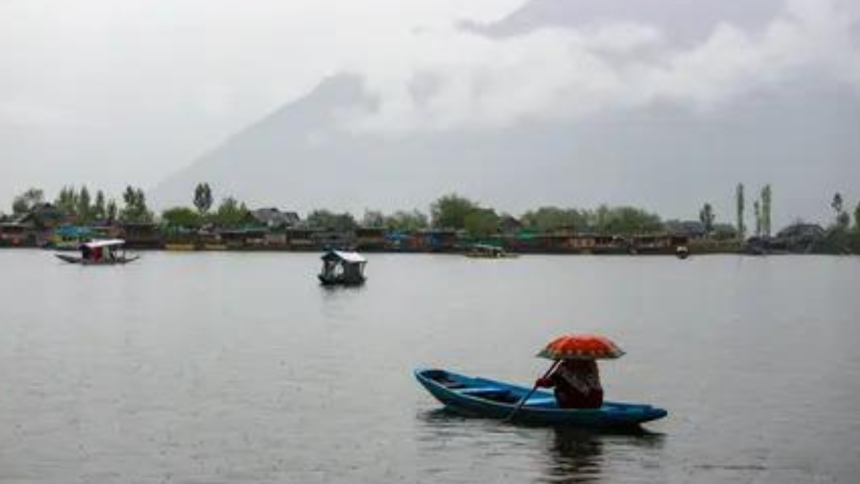
The tranquil landscape of Jammu and Kashmir, known for its breathtaking natural beauty and serene lakes, has been marred by a devastating loss of water bodies. Over the past five decades, the region has witnessed the disappearance of nearly 315 lakes, covering an area of 3,000 hectares, a phenomenon that has left experts and local residents alike grappling with the consequences. According to recent research, this alarming decline in water bodies has not only ravaged the environment but also threatened the livelihoods of thousands of people dependent on these water bodies, particularly in the wake of the devastating 2014 Kashmir floods.
Environmental Consequences
The disappearance of lakes in Jammu and Kashmir has been attributed to a combination of human activities, including intensive farming practices, urban development, and the construction of hydroelectric power projects. This has led to the degradation of water quality, reduced water storage capacity, and disrupted the natural ecosystem. As a result, the region has witnessed a significant increase in landslides, soil erosion, and water scarcity, further exacerbating the environmental crisis. Local residents, who once relied on these water bodies for fishing, boating, and other recreational activities, now face a bleak future as the lakes shrink at an alarming rate.
The impact of the vanishing lakes on the local biodiversity is equally stark. With reduced water storage capacity, the region’s aquatic life is under threat, and the loss of habitat has pushed several species to the brink of extinction. The region’s unique ecosystem, which supports a wide range of flora and fauna, is now under severe stress, threatening the very fabric of the natural world.
Human Impact
The decline of lakes in Jammu and Kashmir has not only affected the environment but has also had a profound impact on the lives of local residents. Many families, who once relied on fishing and other related activities for their livelihood, now face a struggle for survival. The loss of these water bodies has not only resulted in economic hardship but has also led to social and cultural dislocation. As the lakes disappear, the region’s traditional way of life is under threat, and the once-thriving fishing community is now on the brink of extinction.
The 2014 Kashmir floods, which were triggered by the heavy monsoon rains, further exacerbated the crisis. The resulting floods displaced thousands of people, destroyed homes and infrastructure, and left a trail of devastation in its wake. While the government has taken steps to rebuild and restore the affected areas, the underlying issue of lake disappearance remains unresolved.
Way Forward
The disappearance of lakes in Jammu and Kashmir is a stark reminder of the need for sustainable management of natural resources. To address this crisis, the government must take a holistic approach, incorporating the perspectives of local residents, environmental experts, and policymakers. This involves developing a comprehensive strategy to restore and revitalize the region’s water bodies, promoting sustainable agricultural practices, and ensuring the protection of the region’s unique ecosystem.
Only through collective action and a commitment to environmental stewardship can the region’s lakes be saved, and the livelihoods of thousands of people restored. The time for action is now, and it is imperative that the government takes concrete steps to address this pressing issue before it’s too late.
As the region struggles to come to terms with the loss of its lakes, one thing is clear – the future of Jammu and Kashmir hangs in the balance. The fate of the region’s lakes is not only an environmental concern but also a human rights issue. The time for action is now, and it is imperative that the government takes concrete steps to address this pressing issue before it’s too late.