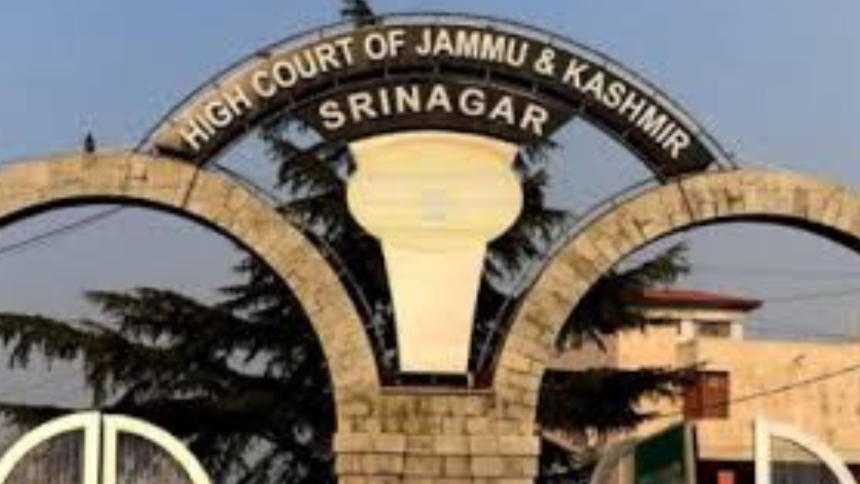
In a landmark judgment, the Jammu and Kashmir High Court has made a significant ruling regarding the ownership of two shrines and their attached properties in Kishtwar district. The court declared these structures as waqf, thereby ensuring their protection and preservation for generations to come. This development has sent shockwaves of joy among devotees and preservationists who have been fighting for the protection of these sacred sites for a long time.
Background and Significance of the Ruling
The case in question revolves around the ownership of the Jamia Masjid and the Darbar Baba Khwaja Khawand Mira shrine, both located in the heart of Kishtwar town. These structures have been a part of the local heritage for centuries, with the Jamia Masjid dating back to the 17th century. Despite being a revered site for the local Muslim community, the ownership of these shrines was shrouded in controversy, with various parties laying claim to them.
The dispute over the ownership of these shrines had been dragging on for years, with the High Court finally intervening to resolve the matter. In its ruling, the court upheld the waqf status of the shrines, thereby ensuring that they remain protected and preserved for the benefit of the local community and future generations. This decision has been hailed as a major victory by devotees, preservationists, and local residents who have been fighting for the protection of these sacred sites.
Impact of the Ruling on Local Communities
The ruling has far-reaching implications for the local Muslim community, who can now rest assured that their places of worship and cultural heritage will be protected and preserved. The decision has also been welcomed by preservationists who have been fighting to save the shrines from decay and neglect. The waqf status of the shrines will ensure that they are maintained and protected, not just for their cultural and historical significance but also for their spiritual importance to the local community.
Moreover, the ruling sets a precedent for the protection of similar structures across the country, where the ownership and maintenance of historic sites are often disputed. By declaring the shrines as waqf, the High Court has sent a strong message that such structures are a shared cultural heritage and must be protected and preserved for the benefit of all.
Future Directions and Challenges Ahead
While the ruling is a significant victory for devotees and preservationists, there are still several challenges ahead. The court’s decision will need to be implemented in practice, with the concerned authorities taking steps to ensure the maintenance and protection of the shrines. Additionally, there may be legal challenges from parties who dispute the waqf status of the shrines, which will need to be addressed through further litigation.
Despite these challenges, the High Court’s ruling is a major step forward in the protection and preservation of cultural heritage sites. It underscores the importance of protecting and preserving our shared cultural heritage for future generations and sets a powerful precedent for similar cases across the country.
As the news of the High Court’s ruling spreads, devotees and preservationists are breathing a sigh of relief, knowing that their places of worship and cultural heritage will be protected and preserved. The ruling is a testament to the power of litigation in protecting and preserving our shared cultural heritage.