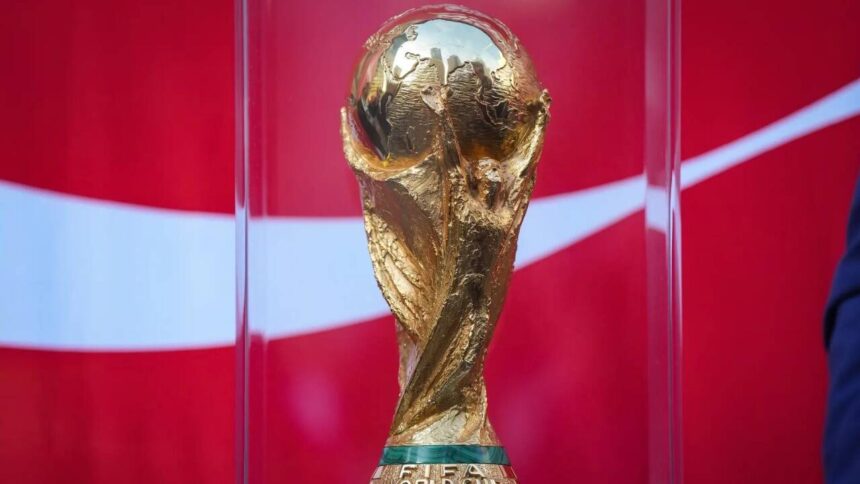
The FIFA World Cup has long been the pinnacle of international football, a tournament that brings together the best teams from around the globe to battle for the coveted title. But what if the World Cup were to expand to 64 teams? For Bhaichung Bhutia, a former captain of the Indian national team, the possibility of a larger tournament could be a double-edged sword for Indian football. While it may increase the chances of India qualifying for the tournament, it also raises questions about the overall quality of the competition.
Expanding the Ranks
Bhaichung Bhutia believes that an expanded World Cup would provide a much-needed boost to Indian football, giving the country a greater chance of qualifying for the tournament. With more teams participating, the competition would become less stringent, allowing weaker teams to make it through the qualification rounds. This, in turn, would give Indian football a much-needed shot in the arm, allowing the country to compete on an even footing with other nations.
However, this optimism is tempered by the reality that a larger tournament would also mean a watering down of the competition’s overall quality. The World Cup is, after all, a competition that showcases the best teams in the world, and diluting it with weaker teams would undermine its prestige and appeal. For Bhaichung Bhutia, this is a trade-off that would be difficult to stomach. While an expanded World Cup might provide a short-term boost to Indian football, it would come at the cost of the tournament’s long-term credibility.
The Qualification Conundrum
So, how would an expanded World Cup affect the qualification process for teams like India? According to Bhaichung Bhutia, the current qualification system would need to be revised to accommodate the new format. This could involve introducing a more complex system of group stages and playoffs, which would give weaker teams a greater chance of making it through to the main tournament. However, this would also create new challenges and complexities, which would need to be carefully managed to ensure that the qualification process remains fair and equitable.
The current qualification system is already notoriously difficult, with teams often facing long and grueling journeys to reach the World Cup. An expanded tournament would only add to the burden, making it even harder for teams like India to qualify. While a larger World Cup might provide a temporary reprieve, it would ultimately do little to address the underlying issues that have held India back for so long.
The Dark Horse of Asian Football
India has long been regarded as one of the dark horses of Asian football, with a rich history of producing talented players and a passionate fan base. However, the country’s lack of success on the international stage has been a source of frustration for fans and players alike. An expanded World Cup could provide India with a much-needed opportunity to make amends, but it would also require a significant investment of time and resources.
For Bhaichung Bhutia, the key to India’s success lies in developing a strong domestic league and investing in grassroots development programs. This would provide a solid foundation for the national team, allowing them to compete on an even footing with other nations. While an expanded World Cup might provide a short-term boost, it would ultimately be nothing more than a fleeting distraction from the real challenges that lie ahead.
In the end, the question of whether a 64-team World Cup would be beneficial for Indian football is a complex one. While it might provide a temporary reprieve, it would ultimately come at the cost of the tournament’s overall quality. For Bhaichung Bhutia, the key to India’s success lies in developing a strong domestic league and investing in grassroots development programs, rather than relying on a flawed and imperfect system.