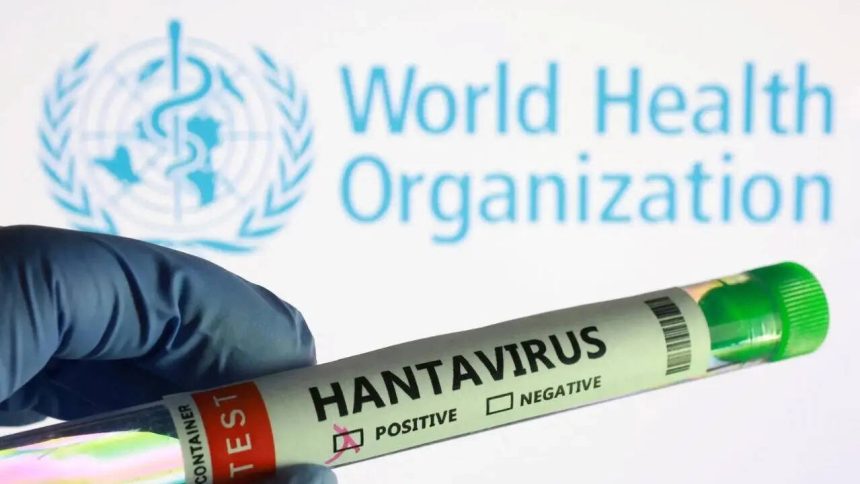
The World Health Organization (WHO) has sounded the alarm, declaring the Ebola outbreak in Congo and Uganda a Public Health Emergency of International Concern (PHEIC), prompting a heightened sense of vigilance across the globe. The declaration, made on Sunday, comes as cases of the deadly virus continue to rise, sparking fears of a possible global pandemic. Health experts in India have assured citizens that there is no reason to panic, emphasizing that Ebola does not spread as rapidly as Covid-19, but cautioning that early detection and swift action remain crucial in preventing its spread.
Understanding the Risks: What You Need to Know
WHO officials have stressed that the risk of Ebola spreading to other countries is real, but can be mitigated through concerted international efforts. The organization has identified several key areas of concern, including the potential for transmission through human contact with infected individuals or contaminated bodily fluids. While the risk of airborne transmission is relatively low, the WHO has emphasized the importance of stringent infection control measures and timely reporting of suspected cases. Health experts have also highlighted the need for enhanced surveillance and monitoring at airports, seaports, and land borders to prevent the introduction of the virus.
Despite the risks, health officials in India have reassured citizens that the country’s robust healthcare infrastructure and existing protocols for managing infectious diseases make it unlikely that the virus will spread extensively within the country. The government has also announced measures to step up surveillance and screening at airports and seaports, as well as enhanced training for healthcare workers to ensure that they are equipped to respond effectively to potential cases.
India’s Preparedness: Why There’s No Need to Panic
Indian health experts have emphasized that Ebola is a highly controlled and reportable disease, with strict protocols in place for managing suspected cases. The country’s well-established network of laboratories and testing facilities enables rapid identification and diagnosis of the virus, allowing for swift action to be taken to contain outbreaks. Furthermore, the government has developed a comprehensive plan to handle potential cases, including the deployment of specialized teams and the provision of necessary resources and equipment.
While the WHO’s declaration has raised concerns, health experts in India have stressed that the country is well-equipped to handle any potential cases of Ebola. By maintaining a high level of vigilance, ensuring strict infection control measures, and engaging in close collaboration with international partners, India can effectively mitigate the risk of the virus spreading.
A Global Response: What Can We Expect
The WHO’s declaration has sparked a global response, with international partners pledging support and resources to help combat the outbreak. The organization has called for increased funding to support Ebola response efforts, as well as enhanced collaboration between countries to share data, expertise, and best practices. In addition, the WHO has emphasized the need for a coordinated international response to address the root causes of the outbreak, including poverty, conflict, and poor healthcare infrastructure.
As the global community comes together to address the Ebola outbreak, it is essential that citizens remain informed and vigilant. By understanding the risks and taking necessary precautions, individuals can play a crucial role in preventing the spread of the virus and protecting public health. The WHO’s declaration serves as a stark reminder of the importance of global cooperation and the need for sustained efforts to combat infectious diseases.
As the situation continues to unfold, one thing is clear: the fight against Ebola will require a collective effort and a commitment to protecting public health. By working together, we can prevent the spread of this deadly virus and ensure that those affected receive the care and support they need.