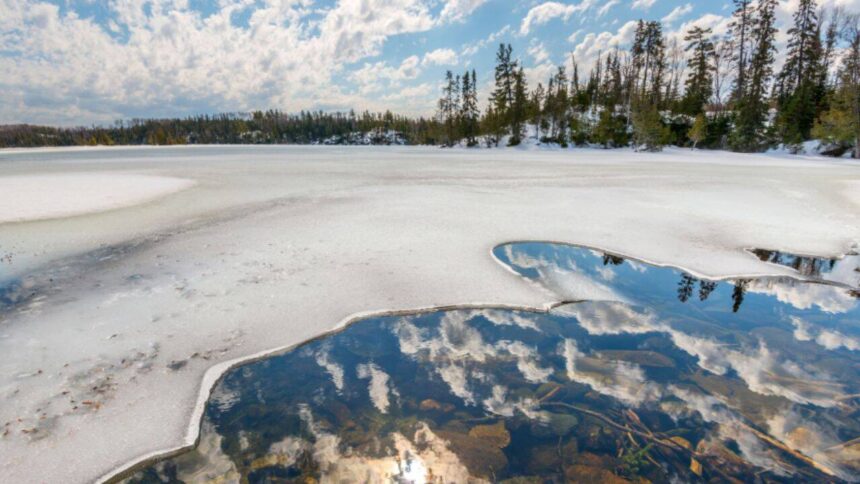
The world’s lakes are sending out a distress signal, and scientists are sounding the alarm. Winter ice, a crucial component of freshwater ecosystems, is disappearing at an unprecedented rate. By 2100, lakes in the Northern Hemisphere could lose around 40 days of winter ice, threatening the delicate balance of these vital water bodies. This staggering prediction has significant implications for the health of aquatic life, water temperature, and the overall well-being of our planet.
The Importance of Winter Ice
Winter ice on lakes plays a multifaceted role in maintaining the health and stability of freshwater ecosystems. It helps regulate water temperature, which is essential for the survival of many aquatic species. Ice cover also reduces the growth of algae, preventing excessive nutrient uptake and maintaining water clarity. Furthermore, winter ice provides a habitat for numerous species, such as fish, birds, and other wildlife, which rely on the ice for feeding, breeding, and migration. The loss of winter ice would have far-reaching consequences, including disrupted food chains, reduced biodiversity, and decreased water quality.
The consequences of ice loss are already being observed in many lakes. Changes in water temperature and chemistry are affecting the distribution and abundance of aquatic species, leading to a decline in native species and an increase in invasive species. Additionally, the reduction in ice cover is altering the physical properties of lakes, such as water level, circulation patterns, and shoreline erosion, which can have significant impacts on human activities, such as fishing, boating, and tourism.
Climate Change and Ice Loss
Climate change is the primary driver of ice loss on Northern Hemisphere lakes. Rising air temperatures are causing ice to form later and melt earlier, resulting in a shorter ice-covered period. This trend is expected to continue, with some lakes projected to lose up to 60 days of ice cover by 2100. The impacts of climate change on lake ice are not limited to temperature; changes in precipitation patterns, wind speeds, and other environmental factors are also contributing to ice loss. Understanding the complex interactions between climate change and lake ecosystems is crucial for developing effective conservation and management strategies.
Scientists are working to improve their understanding of the relationships between climate change, lake ice, and ecosystem health. Research is focusing on the development of predictive models, which can forecast ice cover and water temperature changes, allowing for more effective management and conservation of lake ecosystems. Additionally, studies are investigating the potential impacts of ice loss on human communities, including the effects on recreation, tourism, and local economies.
Conservation and Management
Conservation and management efforts are essential for mitigating the impacts of ice loss on Northern Hemisphere lakes. Strategies, such as reducing greenhouse gas emissions, can help slow the rate of climate change and preserve ice cover. Additionally, lake-specific management practices, such as controlling invasive species, maintaining water quality, and protecting shoreline habitats, can help maintain ecosystem health and resilience. International cooperation and collaboration among scientists, policymakers, and local communities are critical for developing and implementing effective conservation and management plans.
The loss of winter ice on Northern Hemisphere lakes is a pressing environmental issue, with significant implications for ecosystem health, biodiversity, and human well-being. As the planet continues to warm, it is essential that we take immediate action to reduce our impact on the environment and preserve the natural balance of our planet’s vital water bodies. The future of our lakes, and the many species that depend on them, relies on our ability to respond to this crisis and work towards a more sustainable future.