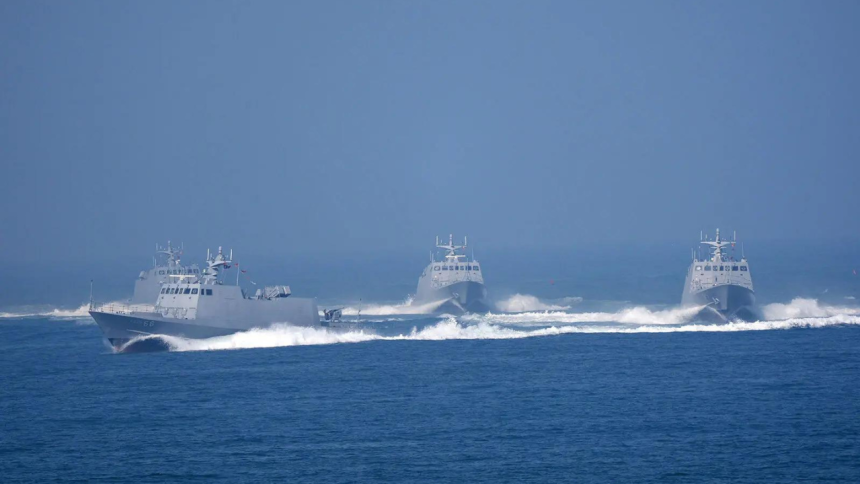
The island nation of Taiwan has once again found itself at the center of a heightened military standoff with China, as Taipei detected the presence of Chinese military aircraft and naval vessels operating in its surrounding waters for the second consecutive day. The latest developments come as a clear indication of China’s continued aggression in the region, sparking concerns about the potential for a miscalculation that could have far-reaching consequences.
Taiwanese authorities reported that a total of four Chinese military aircraft were detected in the skies around the island as of 6 a.m. this morning, marking the second straight day that such an operation has been observed. The presence of these aircraft has been coupled with the sighting of six Chinese naval vessels operating in the waters off Taiwan’s coast, a development that has been met with a mix of unease and vigilance by the Taiwanese government.
While the Taiwanese military has maintained a high level of alertness and readiness in response to these developments, the international community is closely watching the situation, with many expressing concerns about the potential for a wider conflict. The United States, in particular, has been vocal about its support for Taiwan, with a recent visit by a U.S. congressional delegation to the island seen as a significant show of support for Taipei’s sovereignty.
Regional Implications
The latest Chinese military activity in the Taiwan Strait has sent shockwaves throughout the region, with many of Taiwan’s neighbors watching the situation with a mix of concern and trepidation. Japan, in particular, has been vocal about its concerns regarding China’s military posturing, with Tokyo warning Beijing against any actions that could be seen as a provocation. The Philippines, meanwhile, has expressed its support for Taiwan, with Manila calling for restraint and calm in the region.
The Chinese government has yet to comment on the latest developments, but experts say that Beijing’s continued military posturing is a clear indication of its intent to assert its dominance in the region. As the situation continues to unfold, it remains to be seen how the international community will respond to China’s aggressive actions, and whether the Taiwanese government will be able to maintain its resolve in the face of such pressure.
Taipei’s response to the latest Chinese military activity has been cautious, with the Taiwanese government emphasizing the need for calm and restraint in the region. While the Taiwanese military has maintained a high level of alertness, the government has also signaled its commitment to pursuing peaceful dialogue with China, despite the latest developments.
Global Concerns
The international community is closely watching the situation in Taiwan, with many expressing concerns about the potential for a wider conflict. The United Nations has called for restraint and calm, while the European Union has urged China to respect Taiwan’s sovereignty. The United States, meanwhile, has reaffirmed its commitment to Taiwan’s security, with Washington calling for Beijing to engage in peaceful dialogue with Taipei.
As the situation continues to unfold, it remains to be seen how the international community will respond to China’s aggressive actions. While many are calling for restraint and calm, others are warning of the potential consequences of inaction, with some experts predicting that a wider conflict could have far-reaching consequences for regional stability and global security.
Future Prospects
The latest Chinese military activity in the Taiwan Strait has raised questions about the future prospects for peace and stability in the region. While the Taiwanese government has signaled its commitment to pursuing peaceful dialogue with China, the Chinese government has yet to respond, leaving many wondering whether Beijing is serious about engaging in meaningful talks.
As the situation continues to unfold, it remains to be seen how the Taiwanese government will be able to navigate the complex web of international relations and regional dynamics. While the international community is closely watching the situation, the Taiwanese government must also contend with the domestic pressures of maintaining a high level of alertness and readiness in the face of such a heightened military standoff.
In the end, the future prospects for peace and stability in the Taiwan Strait will depend on the actions of all parties involved. As the situation continues to unfold, it remains to be seen whether China will continue to pursue its aggressive military posturing, or whether the Taiwanese government will be able to successfully navigate the complex web of international relations and regional dynamics to achieve a peaceful resolution.
The international community is holding its breath as the situation continues to unfold, with many wondering what the future holds for the people of Taiwan and the region as a whole. As the situation reaches a critical juncture, one thing is certain: the world is watching, and the consequences of inaction could be far-reaching and devastating.