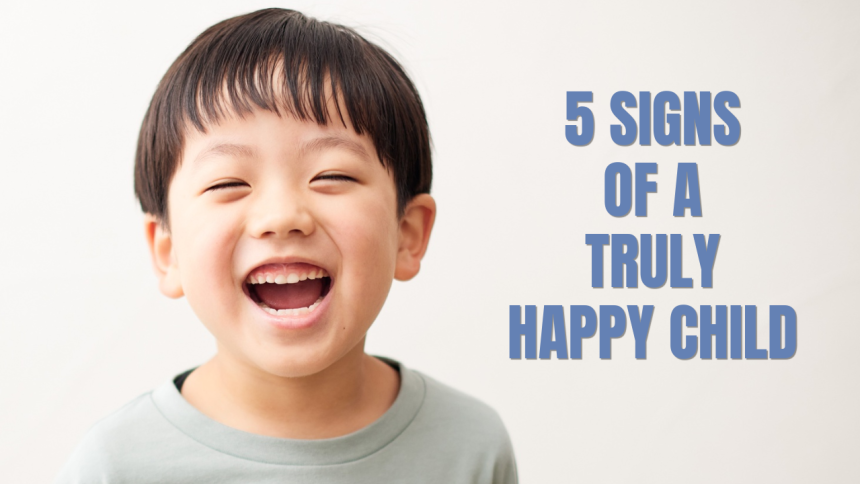
You wouldn’t know by looking at them that these kids were feeling utterly happy and content. They weren’t skipping through the park or beaming with pride, but that’s exactly the point – true happiness often lies beneath the surface. For parents, it can be easy to get caught up in the big milestones and achievements, but the real key to a child’s happiness lies in the everyday moments and behaviors. A child who feels loved, secure, and happy is not one who is constantly smiling or always ‘on,’ but rather someone who is free to be themselves, mistakes and all. So, how do we know if our child is genuinely happy? The answer lies in the small, often overlooked signs that speak volumes about their emotional state.
When Your Child is Comfortable with Emotions
One of the most telling signs of a happy child is their ability to express and manage their emotions. A child who is comfortable with their feelings is one who can laugh, cry, and even get angry without fear of judgment or rejection. They are able to communicate their needs and wants effectively, and are not afraid to show vulnerability. This comfort with emotions is a hallmark of emotional security, and is often reflected in the way they interact with others. Do your child’s friends seem to feel at ease around them? Do they initiate conversations or playdates with others? These are all signs that your child feels comfortable in their own skin, and is therefore more likely to be happy.
Additionally, a happy child is often able to laugh at themselves and find the humor in a situation. They are not afraid to make mistakes or try new things, even if it means failing. This kind of resilience and adaptability is a key component of emotional security, and is often reflected in their ability to bounce back from setbacks and challenges. So, the next time your child makes a mistake or struggles with a difficult emotion, try not to panic. Instead, take a step back and observe how they respond. Do they get angry and defensive, or do they take a deep breath and try to find the humor in the situation? The answer to this question can tell you a lot about their emotional state.
When Your Child is Willing to Take Risks
A happy child is often one who is willing to take risks and step outside their comfort zone. This might mean trying a new activity, making a new friend, or speaking up in class. When your child is willing to take risks, it’s often a sign that they feel safe and secure in their environment. They know that they can trust you to support and protect them, even when things get tough. This kind of risk-taking is essential for personal growth and development, and is often reflected in their ability to try new things and learn from their mistakes.
So, how do you know if your child is willing to take risks? Look for signs like a willingness to try new foods, a desire to join a new club or team, or a interest in exploring new places and experiences. These are all indicators that your child feels comfortable and secure, and is therefore more likely to be happy. Of course, it’s also important to remember that risk-taking can be scary and uncomfortable, even for adults. So, be sure to offer plenty of support and encouragement as your child navigates new challenges and experiences.
When Your Child is Able to Express Gratitude
Finally, a happy child is often one who is able to express gratitude and appreciation for the good things in their life. This might mean thanking you for a meal, expressing thanks for a gift, or simply acknowledging the joy that they feel in a particular moment. When your child is able to express gratitude, it’s often a sign that they feel content and satisfied with their life. They are able to appreciate the little things and find joy in the everyday moments, rather than constantly striving for more.
So, how do you know if your child is able to express gratitude? Look for signs like a willingness to help others, an appreciation for the little things in life, and an ability to find joy in simple moments. These are all indicators that your child feels happy and content, and is therefore more likely to be a confident and well-adjusted individual.
So, the next time you’re wondering if your child is truly happy, try looking beyond the surface level. Instead of focusing on their grades, achievements, or big milestones, take a step back and observe their everyday behaviors. Do they seem comfortable with their emotions, willing to take risks, and able to express gratitude? If so, it’s likely that they feel loved, secure, and happy. And that’s something to truly celebrate.