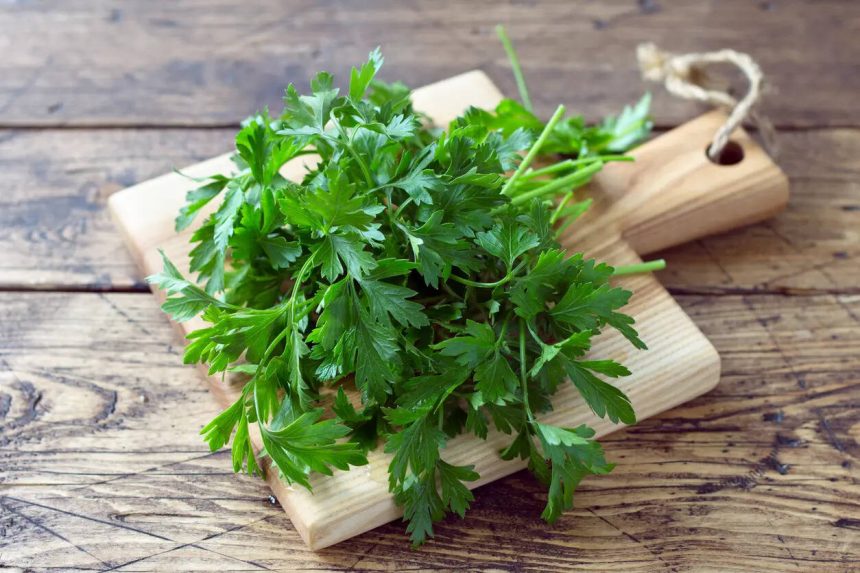
The arrival of summer can be a cruel fate for coriander enthusiasts, as the bright, fragrant leaves that once added a burst of freshness to their meals begin to wither away in a matter of days. One day they’re thriving, and the next they’re nothing more than a wilted, brownish-green shadow of their former selves. For many, this phenomenon has become an annual struggle, with coriander leaves dying within two days of being brought home, leaving cooks and chefs alike wondering what they’re doing wrong.
Understanding the Problem
So, what exactly is causing this coriander catastrophe? The answer lies in the plant’s delicate nature and its inability to cope with the harsh conditions of summer. Coriander is a cool-season crop that thrives in temperate climates with moderate temperatures and ample moisture. When the mercury rises, the leaves begin to lose moisture at an alarming rate, leading to a condition known as desiccation. This, combined with the plant’s naturally short lifespan, makes it a challenging herb to keep fresh, especially during the hot summer months.
Another factor contributing to the demise of coriander leaves is the way they’re handled and stored. Often, people will store their coriander in a warm, dry place, such as a kitchen counter or pantry, without realizing that this can cause the leaves to deteriorate rapidly. Additionally, the leaves may be exposed to ethylene-producing fruits, such as apples and bananas, which can accelerate the aging process and cause the coriander to spoil even faster.
Preservation Methods
While it may seem like a lost cause, there are several ways to extend the life of your coriander leaves and keep them fresh for a longer period. One of the most effective methods is to store them in a cool, moist environment, such as the refrigerator. By placing the coriander in a sealed container or plastic bag, you can maintain a humid microclimate that slows down the desiccation process and keeps the leaves fresh for up to a week. Another approach is to freeze the coriander, which can help preserve its flavor and aroma for several months.
For those who want to take their coriander preservation to the next level, there are also several specialized storage solutions available, such as herb keepers and vacuum-sealed containers. These products are designed to maintain the optimal environment for herb storage, with features like moisture control and ethylene absorption. By using one of these storage solutions, you can keep your coriander fresh for an extended period and enjoy its unique flavor and aroma in your cooking.
Growing Your Own Coriander
For the more adventurous and green-thumbed among us, growing your own coriander can be a rewarding and cost-effective way to ensure a steady supply of fresh leaves throughout the summer. By planting coriander seeds in a shaded area with well-draining soil, you can cultivate a thriving crop that will provide you with a continuous harvest of fresh leaves. This approach also allows you to control the growing conditions and harvest the leaves at the optimal time, ensuring that they’re always at their best.
As the summer months approach, it’s time to rethink our approach to coriander and find ways to keep this delicate herb fresh and thriving. Whether you’re a seasoned chef or an enthusiastic home cook, the struggle to preserve coriander leaves is a common one, but with the right knowledge and techniques, you can enjoy the unique flavor and aroma of this incredible herb all year round. By understanding the challenges of coriander preservation and exploring the various methods and solutions available, you can take the first step towards becoming a coriander connoisseur and elevating your cooking to new heights.