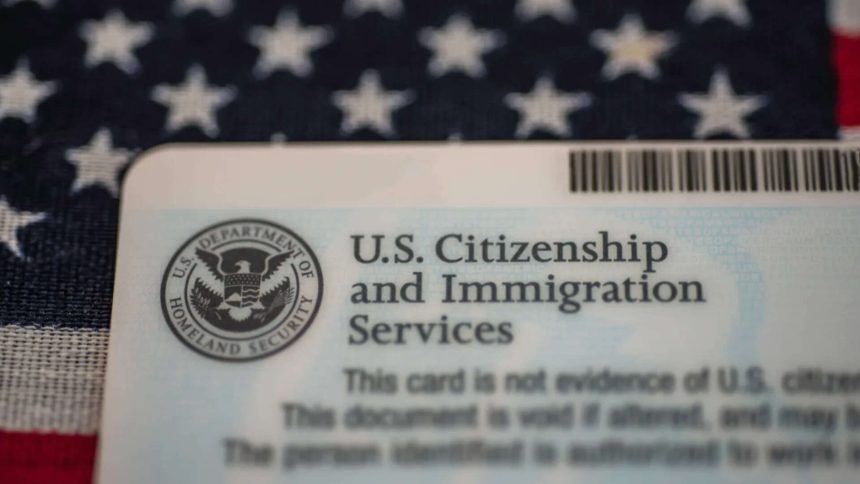
A recent social media post has sparked a heated debate about the treatment of foreign travelers at US borders, particularly in regards to visa rules and the powers of Customs and Border Protection (CBP) officials. The post detailed the harrowing experience of a visa holder who was denied entry at Los Angeles International Airport (LAX) after a previous visit, and was subsequently held in CBP custody. The incident has raised questions about the fairness and transparency of the US immigration system, and the extent to which border officials can exercise discretion when making entry decisions.
Visa Rules and the Limits of Discretion
US visa rules are designed to ensure that foreign nationals who enter the country do not pose a security risk or overstay their welcome. However, the rules can be complex and nuanced, and the application process can be time-consuming and costly. For many foreign travelers, obtaining a US visa is a significant undertaking, and the prospect of being denied entry can be devastating. The CBP’s decision to deny entry to a visa holder after a previous visit has raised concerns that the agency is overly restrictive in its application of visa rules, and that border officials are not adequately trained to handle complex cases.
In an era where international travel is becoming increasingly accessible, the rules governing entry into the US must be balanced with the need to protect the rights of foreign travelers. The CBP’s role in enforcing visa rules is critical, but it must be carried out in a fair and transparent manner. This includes providing clear guidance to travelers about the requirements for entry, as well as ensuring that border officials have the training and resources they need to make informed decisions.
The Human Cost of Visa Denials
The consequences of being denied entry to the US can be severe, particularly for individuals who have invested significant time and resources in obtaining a visa. In addition to the emotional toll of being rejected, visa denials can also have significant financial implications, including the loss of travel plans, employment opportunities, and educational pursuits. For many foreign travelers, the prospect of being denied entry to the US is a constant worry, and the experience of being held in CBP custody can be traumatic and humiliating.
The human cost of visa denials is a critical concern that must be taken into account when evaluating the fairness and effectiveness of the US immigration system. By understanding the emotional and financial impact of visa denials, policymakers can work to develop more compassionate and efficient immigration policies that prioritize the needs of foreign travelers while maintaining the security and integrity of the US border.
A Call for Transparency and Reform
The recent incident at LAX highlights the need for greater transparency and accountability in the US immigration system. Foreign travelers have a right to know the grounds for their visa denial, and to have access to an appeals process that is fair and efficient. The CBP must also be transparent about its decision-making process, including the criteria used to evaluate visa applications and the discretion exercised by border officials. By increasing transparency and accountability, the US can work to rebuild trust in its immigration system and ensure that foreign travelers are treated with dignity and respect.
The future of US immigration policy will depend on finding a balance between security, efficiency, and compassion. By prioritizing the needs of foreign travelers and addressing the root causes of visa denials, policymakers can work to create a more inclusive and welcoming immigration system that benefits all stakeholders.
As the US continues to evolve into a global leader, it is essential that its immigration policies reflect the values of fairness, transparency, and compassion. By doing so, the US can demonstrate its commitment to upholding the rights of foreign travelers while maintaining the security and integrity of its borders.