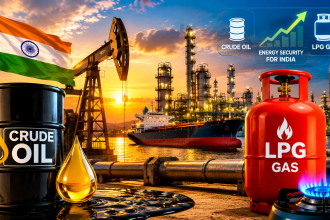
India’s aviation industry is on the cusp of a significant change with the recent hike in aviation turbine fuel (ATF) prices by 10% under the new price-stabilisation regime. This move, implemented by oil marketing companies, is set to impact air fares, making flying more expensive for passengers. The new regime will keep ATF prices frozen at this level for the next three years, with the aim of stabilising prices and encouraging investment in the sector.
Impact on Air Fares: A Price Hike Looms
The 10% hike in ATF prices will be a significant burden on airlines, which will be forced to pass on the increase to passengers in the form of higher air fares. This move will particularly affect low-cost carriers, which operate on thin margins and are unable to absorb price hikes without compromising their profitability. The increased fuel costs will also impact the profitability of full-service carriers, forcing them to either absorb the losses or pass them on to passengers.
Airline associations have expressed concerns over the price hike, warning that it may lead to a rise in air fares and a decrease in passenger traffic. The industry is already facing stiff competition from low-cost carriers, and the price hike will make it even more challenging for airlines to maintain their market share.
Long-term Consequences: A New Era for India’s Aviation Industry
The price stabilisation regime is a significant development for India’s aviation industry, which has been growing at a rapid pace in recent years. The move aims to attract more investment in the sector, encourage the development of new airports, and boost the growth of low-cost carriers. However, the short-term impact of the price hike on air fares may lead to a decline in passenger traffic, which could have long-term consequences for the industry.
The government’s decision to freeze ATF prices for three years is a bold move aimed at stabilising prices and encouraging investment in the sector. However, the outcome of this move will depend on various factors, including the response of airlines and passengers to the price hike. If the industry is able to adapt to the new prices, it could lead to a stronger and more sustainable aviation sector in the long run.
Airlines’ Response: A Mixed Bag
Airlines have responded to the price hike with a mix of caution and optimism. While some airlines have expressed concerns over the impact of the price hike on their profitability, others have welcomed the move as a step towards stabilising prices and encouraging investment in the sector. Low-cost carriers, in particular, have expressed concerns over the price hike, warning that it may lead to a decline in passenger traffic.
As the industry adjusts to the new prices, passengers will need to be prepared for higher air fares. Airlines will also need to innovate and adapt to the changing market conditions, offering more value-added services to passengers to justify the higher prices. The outcome of this move will depend on various factors, including the response of airlines and passengers to the price hike.
The impact of the price hike will be felt across the aviation sector, from airlines to airports and travel agencies. While the long-term consequences of the move are uncertain, one thing is clear: the aviation industry in India is on the cusp of a significant change.