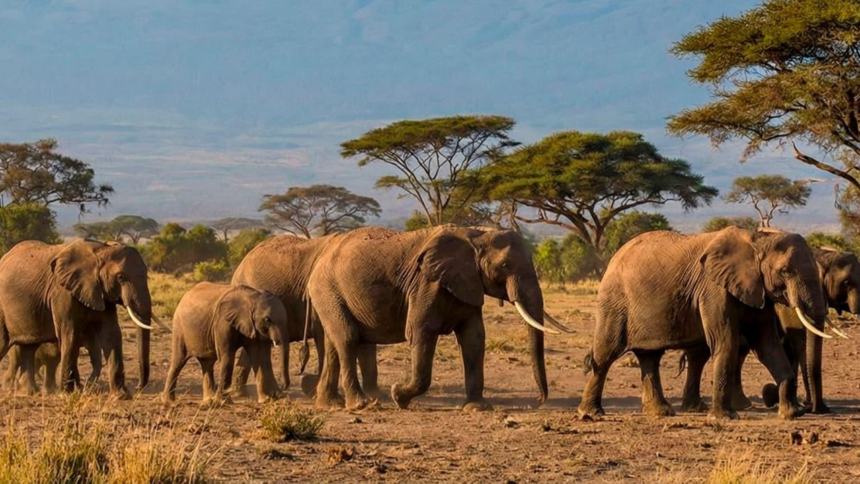
A devastating wildlife poisoning incident has unfolded in southern Kenya, where 15 elephants are suspected to have died after consuming pesticide-sprayed tomatoes near Amboseli National Park. The preliminary laboratory tests have detected cyanide in samples taken from the animals, with investigators suspecting the elephants ingested the contaminated produce from farms bordering the park. This tragic event has sent shockwaves through the conservation community, highlighting the precarious relationship between humans and wildlife in the region.
Investigation and Causes
The Kenya Wildlife Service has launched a thorough investigation into the incident, working closely with local farmers and conservation groups to determine the exact circumstances surrounding the elephants’ deaths. Preliminary findings suggest that the elephants may have raided tomato farms on the outskirts of Amboseli National Park, where they ingested the pesticide-contaminated produce. The use of pesticides in farming is a common practice in the region, but the reckless application of these chemicals has had disastrous consequences for the local wildlife.
The incident has raised concerns about the lack of effective regulations and enforcement mechanisms in place to prevent such tragedies. Conservationists argue that the government and local authorities must take immediate action to address the issue of pesticide use in farming, particularly in areas adjacent to national parks and wildlife reserves. The Amboseli National Park is a critical habitat for elephants, and the loss of 15 individuals is a significant blow to the local population.
Impact on Elephant Population
The deaths of the 15 elephants have significant implications for the long-term survival of the species in the region. Amboseli National Park is home to a relatively small but stable elephant population, and the loss of such a large number of individuals can have a profound impact on the social dynamics and genetic diversity of the herd. The incident has also raised concerns about the potential for further poisoning incidents, particularly if the underlying causes of the problem are not addressed.
Conservation efforts in the region are focused on protecting the remaining elephant population and preventing further human-wildlife conflict. This includes working with local communities to develop sustainable farming practices, providing support for conservation initiatives, and promoting education and awareness about the importance of wildlife conservation. The incident has also highlighted the need for greater collaboration and coordination between government agencies, conservation groups, and local communities to address the complex issues surrounding human-wildlife conflict.
Future Directions
The incident has sparked a renewed sense of urgency and purpose among conservationists and wildlife advocates in the region. There is a growing recognition that the protection of wildlife and their habitats is inextricably linked to the well-being of local communities and the long-term sustainability of the ecosystem. The Kenya Wildlife Service has announced plans to establish a task force to investigate the incident and develop strategies for preventing similar tragedies in the future.
As the investigation continues, conservationists are calling for a comprehensive review of the policies and practices that govern human-wildlife interaction in the region. This includes examining the use of pesticides in farming, developing more effective mechanisms for monitoring and enforcing wildlife protection laws, and promoting sustainable land-use practices that balance the needs of humans and wildlife. The deaths of the 15 elephants in Amboseli National Park serve as a stark reminder of the need for concerted action to protect the region’s precious wildlife heritage.
The incident has left many in the conservation community shaken, but it has also galvanized a renewed sense of determination and purpose. As the people of Kenya come to terms with the tragedy, there is a growing recognition that the protection of wildlife is not just a moral imperative, but an economic and social one as well. The fate of the elephants in Amboseli National Park serves as a powerful reminder of the importance of preserving the natural world for future generations.