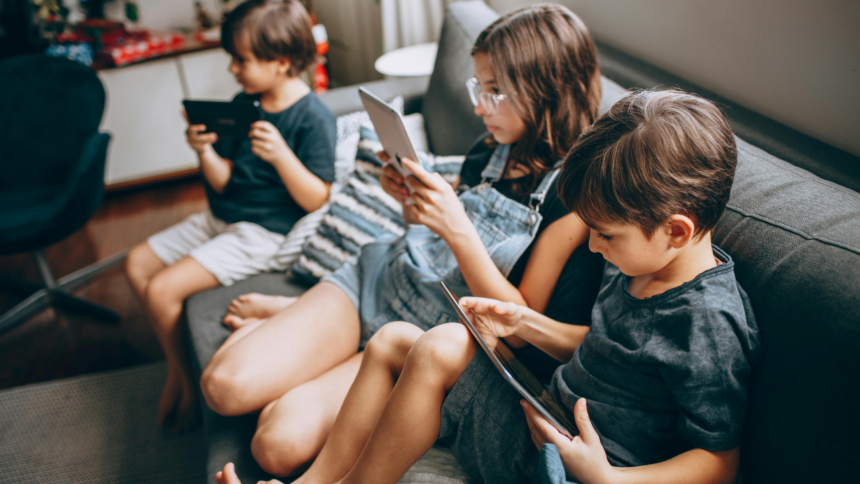
The UK government’s recent announcement to ban social media for anyone under 16 has sparked a global conversation about the impact of social media on children’s mental and emotional well-being. The ban, set to take effect in early 2027, will apply to major platforms including Instagram, Facebook, X, Snapchat, TikTok, and YouTube. Prime Minister Keir Starmer has described the move as “the right step for Britain,” and the UK will not be alone in its efforts to restrict children’s access to social media. Several countries have already introduced similar restrictions, citing concerns over online safety, cyberbullying, and the potential long-term effects of excessive social media use on young minds.
Early Adopters: Countries Leading the Way
Germany, for example, has introduced strict regulations on social media companies, requiring them to ensure that their platforms are safe for minors. The country’s Youth Protection Act, which came into effect in 2021, prohibits social media companies from collecting personal data from children under 16 without parental consent. Similarly, France has introduced a law that requires social media companies to verify the age of their users, with fines of up to €1 million for non-compliance. Other countries, such as Australia and Ireland, have also introduced measures to restrict children’s access to social media, including age verification requirements and stricter regulations on online advertising.
These countries are taking a proactive approach to protecting their children from the potential harms of social media, and their efforts are being closely watched by other nations. The UK’s decision to ban social media for under-16s is likely to be seen as a significant step in the right direction, and it will be interesting to see how other countries respond to the growing concerns over social media use among children. As the global conversation around social media regulation continues to evolve, it is clear that the protection of young minds will be a key priority for governments around the world.
The Rationale Behind the Ban
The UK government’s decision to ban social media for under-16s is based on a growing body of evidence that suggests excessive social media use can have serious negative effects on children’s mental and emotional well-being. Studies have shown that social media use is linked to increased rates of depression, anxiety, and loneliness among children, as well as a range of other negative outcomes, including cyberbullying, sleep deprivation, and decreased attention span. By restricting children’s access to social media, the UK government hopes to mitigate these risks and give children the opportunity to develop healthy online habits from a young age.
The ban is also seen as a way to address the issue of online safety, which is a major concern for parents and policymakers alike. Social media companies have been criticized for their failure to adequately protect children from online harms, including grooming, exploitation, and abuse. By introducing stricter regulations and age restrictions, the UK government hopes to create a safer online environment for children, where they can explore and learn without fear of harm or exploitation.
A Global Movement
The UK’s decision to ban social media for under-16s is part of a broader global movement to restrict children’s access to social media and protect them from online harms. As more countries introduce similar restrictions, it is likely that social media companies will be forced to adapt and evolve, prioritizing the safety and well-being of their youngest users. This could involve the introduction of new safety features, such as age verification tools and enhanced moderation, as well as greater transparency and accountability around data collection and online advertising.
The global push to restrict social media access is a complex and multifaceted issue, with many different stakeholders and interests at play. However, as the evidence continues to mount that excessive social media use can have serious negative effects on children’s mental and emotional well-being, it is clear that action is needed to protect young minds. The UK’s ban on social media for under-16s is a significant step in the right direction, and it will be interesting to see how other countries respond to the growing concerns over social media use among children. As the world continues to navigate the challenges and opportunities of the digital age, one thing is clear: the protection of young minds must be a top priority for governments, policymakers, and social media companies alike.