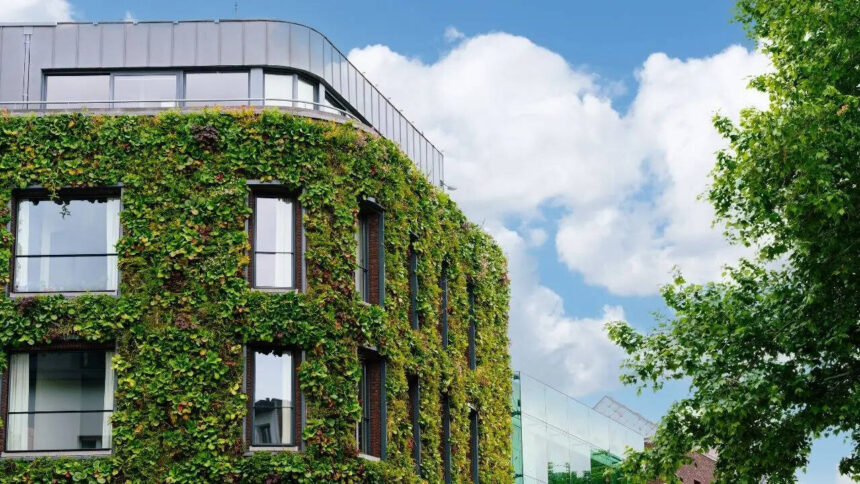
The world of architecture is undergoing a profound transformation, driven by the pressing need to mitigate the environmental impact of construction and create buildings that exist in harmony with nature. As concerns about climate change, energy consumption, and sustainability continue to escalate, architects are rising to the challenge by designing structures that not only minimize their ecological footprint but also incorporate innovative, eco-friendly materials and techniques. From harnessing renewable energy sources to utilizing locally sourced, sustainable materials, these pioneering buildings are setting a new standard for environmentally responsible design.
Harmonizing with Nature
One of the most striking aspects of contemporary sustainable architecture is its emphasis on blending seamlessly into the surrounding landscape. The use of natural materials, such as reclaimed wood, low-carbon concrete, and living walls, helps to create buildings that appear to grow organically from their environment. For example, the VanDusen Botanical Garden Visitor Centre in Vancouver, Canada, features a living roof covered in native plant species, which provides insulation, reduces stormwater runoff, and creates a habitat for local wildlife. This approach not only enhances the aesthetic appeal of the building but also contributes to a significant reduction in its carbon footprint.
The incorporation of green spaces and natural elements is also being used to promote occupant well-being and productivity. Studies have shown that exposure to natural light, fresh air, and vegetation can have a profound impact on both physical and mental health, leading to improved cognitive function, reduced stress levels, and enhanced overall quality of life. By prioritizing the integration of nature into their designs, architects are creating buildings that not only minimize their impact on the environment but also foster a deeper connection between occupants and the natural world.
Innovative Materials and Technologies
The development of innovative, eco-friendly materials and technologies is playing a crucial role in the evolution of sustainable architecture. From advanced insulation systems and high-performance glazing to cutting-edge renewable energy systems and smart building technologies, the options available to architects are expanding rapidly. The Solar Ark in Japan, for instance, is a striking example of how solar energy can be harnessed to power an entire building, with its photovoltaic panels generating enough electricity to power over 1,000 homes. Similarly, the Amazon Spheres in Seattle, Washington, feature a unique glass facade that provides optimal natural light and ventilation, reducing the need for artificial lighting and heating.
The use of locally sourced, sustainable materials is also becoming increasingly prevalent, as architects seek to reduce the embodied energy associated with transportation and support local economies. The Bullitt Center in Seattle, for example, features a roof made from reclaimed cedar, while the Edge building in Amsterdam boasts a facade constructed from low-carbon concrete. By prioritizing the use of sustainable materials, architects can significantly reduce the environmental impact of their buildings, from the extraction and processing of raw materials to the eventual demolition and recycling of the structure.
A New Era for Sustainable Architecture
As the built environment continues to evolve, it is clear that sustainable architecture is no longer a niche concern but a fundamental aspect of modern design. The buildings featured in Philip Jodidio’s book Homes for Our Time: Sustainable Living are a testament to the innovation and creativity that is driving this movement, from the sleek, modern lines of the One Central Park building in Sydney to the rustic, natural beauty of the Walden Eco Village in South Africa. By pushing the boundaries of what is possible and exploring new materials, technologies, and design approaches, architects are redefining the relationship between buildings and the environment, creating structures that not only minimize their impact but also inspire and uplift their occupants.
The implications of this shift towards sustainable architecture are far-reaching, with the potential to transform not only the built environment but also the way we live, work, and interact with one another. As we look to the future, it is clear that the buildings of tomorrow will be designed with both people and the planet in mind, incorporating innovative materials, cutting-edge technologies, and a deep appreciation for the natural world. By embracing this new era for sustainable architecture, we can create a brighter, more resilient future for generations to come.