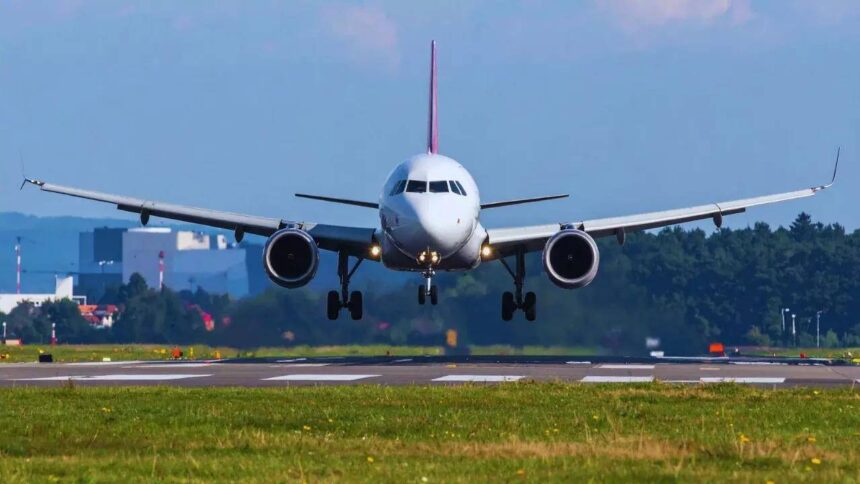
The recent surge in oil prices, which had pushed global crude benchmarks beyond the $100 per barrel mark, has been a major contributor to the rising cost of air travel in recent months. The sharp increase in aviation turbine fuel (ATF) prices and surcharges had made flights more expensive for travelers, leaving many to wonder if they would have to dig deeper into their pockets to book their next ticket. However, with crude prices now falling close to pre-war levels, the aviation industry is bracing itself for a potential windfall, and air travelers are eagerly awaiting the news of cheaper flights.
Crude Prices: The Catalyst for Change
The decline in oil prices is a welcome development for the aviation industry, which has been reeling under the weight of high ATF prices. The sharp increase in fuel costs had resulted in a significant increase in fuel surcharges, making flights more expensive for travelers. With crude prices now falling, the ATF prices are expected to follow suit, leading to a reduction in fuel surcharges and a subsequent decrease in flight costs.
The Indian government had introduced a windfall tax on crude oil, diesel, and ATF in May last year to mitigate the impact of high oil prices on the economy. However, with crude prices now falling, the government may consider revising the windfall tax to ensure that the benefits of low oil prices are passed on to consumers. This could lead to a significant reduction in fuel surcharges, making flights more affordable for travelers.
The Impact on Airlines
The decline in oil prices is expected to have a significant impact on airlines, which have been struggling to maintain their profit margins in the face of high fuel costs. With lower fuel costs, airlines are likely to pass on the benefits to their customers in the form of lower fares. This could lead to a significant increase in bookings, as travelers take advantage of the cheaper flights.
Airlines are also expected to use the opportunity to launch new routes and increase their frequency of flights, as they look to capitalize on the increased demand for air travel. This could lead to a significant increase in employment opportunities in the aviation sector, as airlines look to hire more staff to handle the increased demand.
The Benefits for Travelers
The decline in oil prices is a welcome development for air travelers, who are eagerly awaiting the news of cheaper flights. With lower fuel costs, airlines are likely to pass on the benefits to their customers in the form of lower fares. This could lead to a significant increase in bookings, as travelers take advantage of the cheaper flights.
Travelers can also expect to see a reduction in fuel surcharges, which had made flights more expensive in recent months. This could lead to a significant increase in the affordability of air travel, making it more accessible to a wider range of people. With the decline in oil prices, air travel is set to become more affordable and accessible, making it easier for people to explore new destinations and experience the joys of flying.
The decline in oil prices is a significant development for the aviation industry, and air travelers are eagerly awaiting the news of cheaper flights. While it is too early to predict the exact impact of the decline in oil prices, one thing is certain – the benefits of low oil prices will eventually trickle down to consumers, making air travel more affordable and accessible. As the aviation industry continues to evolve, one thing is clear – the future of air travel looks bright, and cheaper flights are just around the corner.