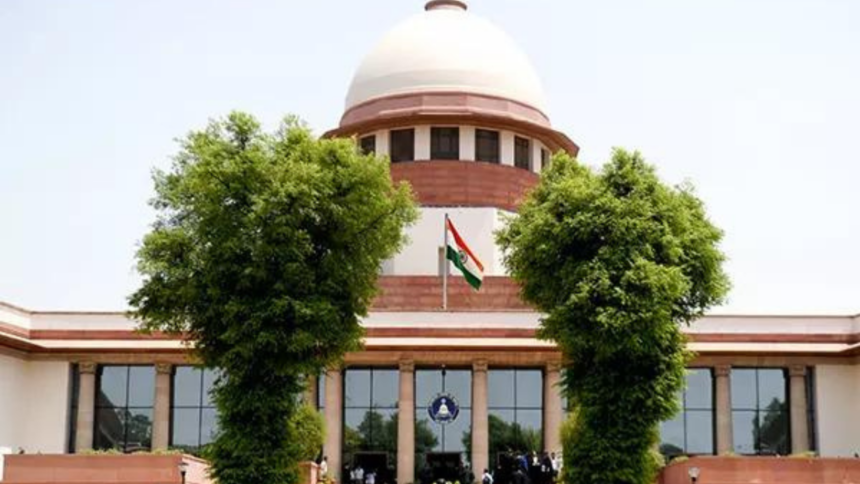
The Tamil Nadu government has taken a significant step by moving the Supreme Court against the Madras High Court’s order that imposed a blanket ban on the slaughter of cows and calves in the state. This move is expected to spark a heated debate on the issue, with various groups and individuals weighing in on the matter. The Madras High Court’s order was seen as a major victory for animal rights activists and groups that have been advocating for a ban on cow slaughter. However, the Tamil Nadu government’s decision to challenge the order in the Supreme Court has raised questions about the state’s commitment to protecting the rights of its citizens, particularly those who rely on the cattle industry for their livelihood.
Background of the Case
The Madras High Court’s order was passed in response to a public interest litigation filed by a group of animal rights activists. The petitioners had argued that the slaughter of cows and calves was a violation of the animals’ rights and was also against the principles of compassion and non-violence. The court had agreed with the petitioners’ arguments and imposed a blanket ban on the slaughter of cows and calves in the state. The order had been hailed as a major victory by animal rights activists, but it had also been criticized by some sections of the society who argued that it would have a negative impact on the livelihoods of people who depend on the cattle industry.
The Tamil Nadu government’s decision to challenge the order in the Supreme Court is seen as an attempt to balance the competing interests of different groups. The state government has argued that the ban on cow slaughter would have a significant impact on the livelihoods of farmers, cattle traders, and butchers who depend on the industry for their income. The government has also argued that the ban would lead to a shortage of beef and other cattle products, which would have a negative impact on the state’s economy. The government’s decision to challenge the order has been welcomed by some sections of the society, but it has also been criticized by animal rights activists who argue that the government is prioritizing economic interests over animal welfare.
Implications of the Case
The Supreme Court’s decision on the matter is expected to have significant implications for the cattle industry and animal rights activists. If the court upholds the Madras High Court’s order, it would mean that the ban on cow slaughter would remain in place, and the cattle industry would have to undergo significant changes to adapt to the new reality. On the other hand, if the court sets aside the order, it would mean that the ban on cow slaughter would be lifted, and the cattle industry would be able to continue its operations as usual. The court’s decision would also have implications for other states that have imposed similar bans on cow slaughter.
The case has also raised questions about the role of the judiciary in regulating the cattle industry. While some argue that the judiciary has a critical role to play in protecting animal rights, others argue that the judiciary should not interfere in matters that are best left to the executive and legislative branches of government. The Supreme Court’s decision on the matter would provide clarity on the issue and would have significant implications for the future of the cattle industry in India. The case is also expected to set a precedent for other cases related to animal rights and the cattle industry, and would likely be closely watched by animal rights activists, farmers, and other stakeholders.
Future of the Cattle Industry
The future of the cattle industry in India is uncertain, and the Supreme Court’s decision on the matter would play a significant role in shaping the industry’s future. If the court upholds the ban on cow slaughter, the industry would have to adapt to the new reality, and farmers and cattle traders would have to find alternative sources of income. On the other hand, if the court sets aside the order, the industry would be able to continue its operations as usual, and farmers and cattle traders would be able to breathe a sigh of relief.
The case has also highlighted the need for a comprehensive policy on the cattle industry. The government would need to take a holistic approach to the issue, taking into account the interests of farmers, cattle traders, and animal rights activists. The policy would need to balance the competing interests of different groups and ensure that the industry is regulated in a way that is fair and sustainable. The Supreme Court’s decision on the matter would provide an opportunity for the government to re-examine its policies and regulations related to the cattle industry and to make changes that would benefit all stakeholders. The government’s response to the court’s decision would be closely watched by animal rights activists, farmers, and other stakeholders, and would likely have significant implications for the future of the cattle industry in India.