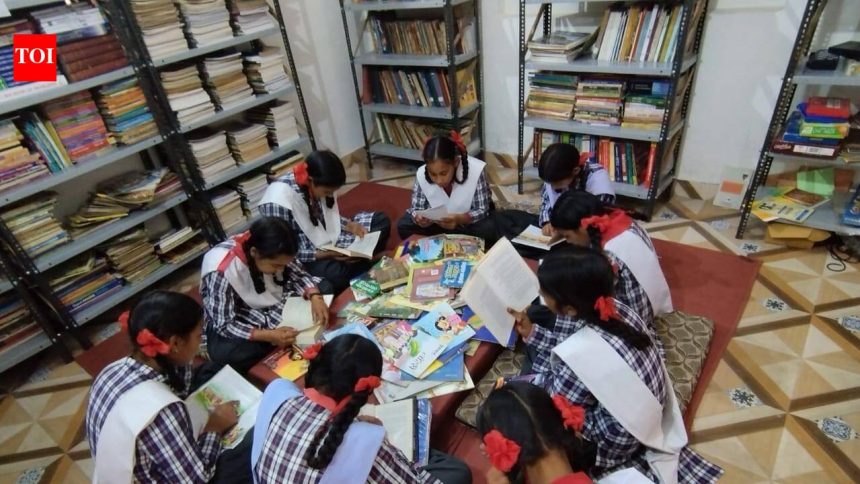
The scenic hills of Uttarakhand have long been plagued by the specter of migration, as families leave their ancestral homes in search of better opportunities in the cities. However, a quiet revolution is underway in the remote village of Maniguh, where a unique initiative is helping to stem the tide of migration. Sneha Rana’s family, who left their home in Maniguh for the same reasons that have driven hundreds of other families away, is now considering returning, thanks to the establishment of the region’s first ‘library village’.
Education and Empowerment
The concept of a ‘library village’ may seem simple, but its impact on the community has been profound. By providing access to quality educational resources and infrastructure, the village is now able to offer its children a level of education that is on par with their urban counterparts. This, in turn, has helped to boost the confidence of the local community, who are now more likely to stay in the village and contribute to its development. The library, which is equipped with a wide range of books, digital resources, and other educational materials, has become a hub of activity in the village, with children and adults alike gathering to learn and share knowledge.
The initiative has also helped to empower the local community, particularly women, who are now taking an active role in the village’s development. With access to education and information, they are better equipped to make informed decisions about their lives and the future of their families. This, in turn, has helped to create a sense of ownership and pride among the community, who are now more invested in the village’s success.
Addressing the Root Causes of Migration
The ‘library village’ initiative is not just about providing education; it is also about addressing the root causes of migration. By offering a range of services and facilities, including healthcare, vocational training, and economic opportunities, the village is now able to provide its residents with a level of stability and security that was previously lacking. This, in turn, has helped to reduce the allure of city life, which often promises more than it delivers. As the village becomes more self-sufficient, it is also becoming more attractive to outsiders, who are drawn to its unique blend of traditional and modern amenities.
The initiative has also helped to challenge traditional notions of development, which often prioritize urbanization over rural growth. By investing in the village’s infrastructure and human capital, the community is now able to compete with urban centers, offering a unique and high quality of life that is tailored to the needs of its residents. This approach has also helped to promote a sense of inclusivity and social cohesion, as the community comes together to build a better future for all.
A Model for Sustainable Development
The ‘library village’ initiative in Maniguh is a powerful model for sustainable development, one that prioritizes the needs of the local community and promotes a holistic approach to growth. By investing in education, empowerment, and economic development, the village is now able to offer its residents a level of prosperity and well-being that is unmatched in many urban centers. As the initiative continues to grow and evolve, it is likely to inspire other communities to follow in its footsteps, creating a ripple effect of positive change that will be felt across the region.
The story of Maniguh’s ‘library village’ is a testament to the power of community-led development, which prioritizes the needs and aspirations of local people. As Sneha Rana’s family considers returning to their ancestral home, they are not alone; many other families are also being drawn back to the village, attracted by its unique blend of traditional and modern amenities. As the village continues to thrive, it is clear that the ‘library village’ initiative is not just a local success story, but a model for sustainable development that has the potential to inspire positive change across the country.