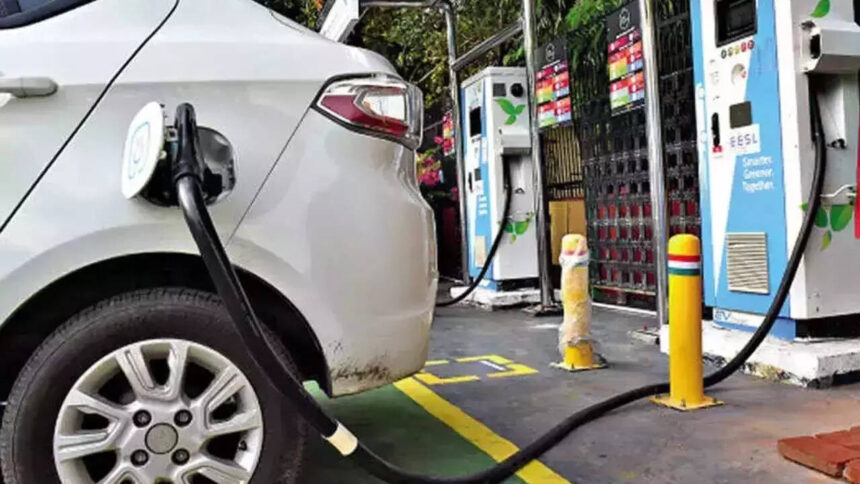
India’s car buyers are undergoing a significant transformation, with a growing preference for environmentally friendly vehicles sending shockwaves through the automotive industry. For the first time in history, compressed natural gas (CNG), hybrid, and electric models accounted for an impressive 40% of passenger vehicle retail sales in June, leaving conventional petrol and diesel vehicles in the dust. This seismic shift in consumer preference marks a definitive turning point in India’s automotive landscape, as buyers increasingly opt for lower running costs and fuel-efficient technologies.
Drivers of Change
The rise of eco-friendly vehicles can be attributed to growing concerns over air pollution, climate change, and fuel efficiency. As the Indian government continues to implement stricter emissions regulations, car manufacturers are scrambling to keep pace with consumer demand for cleaner, greener vehicles. Furthermore, the increasing availability of CNG and electric charging infrastructure has made it easier for consumers to make the switch. For instance, the introduction of CNG-powered variants of popular models has enabled manufacturers to cater to a wider customer base, including those living in areas with limited access to charging stations.
Moreover, the Indian government’s push for electric vehicles (EVs) has led to a surge in demand for EV models, particularly in urban areas. The introduction of incentives such as tax benefits, subsidies, and exemptions from registration fees has encouraged consumers to opt for EVs, which are not only environmentally friendly but also offer significant cost savings in the long run. With EVs and CNG-powered vehicles becoming increasingly affordable, it’s no wonder that consumers are making the switch in droves.
CNG, EV, and Hybrid Sales Skyrocket
The data highlights a significant increase in sales of CNG, EV, and hybrid models, with the three segments combined accounting for over 40% of passenger vehicle retail sales in June. CNG models led the charge, with sales increasing by 25% year-on-year, followed closely by EVs, which saw a 20% growth in sales. Hybrid models also benefited from the trend, with sales rising by 18% in the same period. In contrast, conventional petrol and diesel vehicles saw their sales decline by 10% and 12% respectively.
The numbers are a testament to the growing popularity of eco-friendly vehicles, which are no longer a niche segment but a mainstream choice for consumers. As the automotive industry grapples with the changing landscape, manufacturers are being forced to adapt and innovate, investing heavily in research and development to create more efficient, environmentally friendly vehicles.
A New Era for the Indian Automotive Industry
The June sales data marks a significant milestone in India’s automotive journey, signaling a structural shift in consumer preference towards greener, more fuel-efficient technologies. As the country continues to urbanize and industrialize, the demand for eco-friendly vehicles is likely to increase, driving growth in the CNG, EV, and hybrid segments. With the government’s support and consumer demand driving the trend, it’s clear that India’s automotive industry is entering a new era, one that prioritizes sustainability, efficiency, and environmental responsibility.
The implications are far-reaching, with the shift towards eco-friendly vehicles set to have a profound impact on the environment, the economy, and society as a whole. As the industry continues to evolve, one thing is certain: the days of conventional petrol and diesel vehicles are numbered, and the future belongs to those who can adapt and innovate in the face of change.