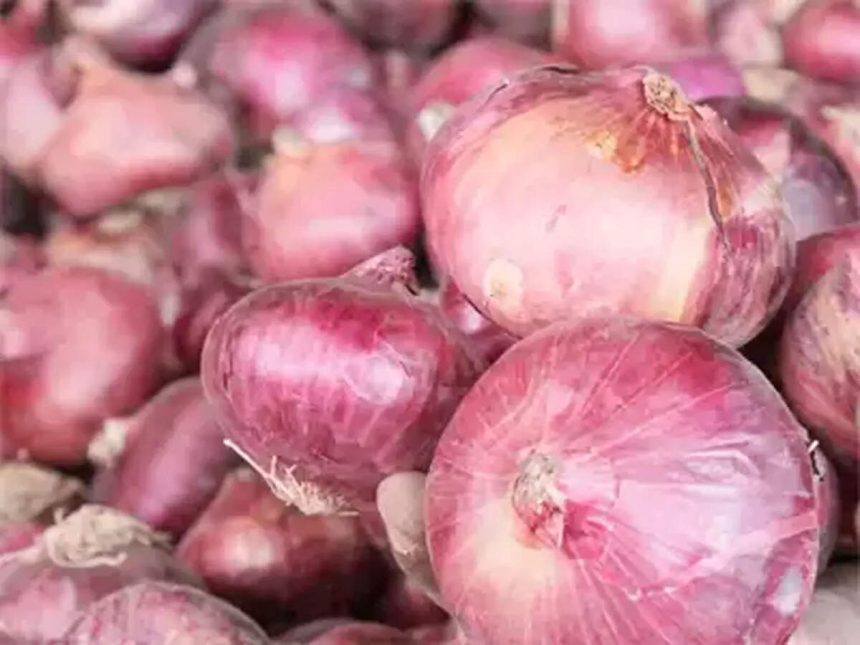
The recent decision by the Centre to relax onion procurement rules has been met with a mix of relief and skepticism by farmers in Maharashtra. While the move is seen as a step in the right direction, many farmers feel that it does not address the core issue of ensuring a fair price for their produce. With the current market rate hovering around Rs 1,500-2,000 per quintal, farmers are demanding a minimum procurement price of Rs 3,000 per quintal, citing rising production costs and stagnant prices over the years.
Onion Procurement Rules and Farmer Expectations
The relaxation of onion procurement rules is expected to increase the quantity of onions that can be procured by the government, thereby providing some relief to farmers. However, farmers argue that the move is insufficient and that the government needs to do more to support them. They point out that the current procurement price is not enough to cover their production costs, let alone provide a decent income. As a result, many farmers are struggling to make ends meet, and some are even considering abandoning onion cultivation altogether.
The demand for a minimum procurement price of Rs 3,000 per quintal is not unreasonable, given the rising costs of production. Farmers have to contend with increasing costs of inputs such as seeds, fertilizers, and labor, as well as the risk of crop failure due to unpredictable weather conditions. Moreover, the lack of a stable price mechanism for onions means that farmers are often at the mercy of market fluctuations, which can be devastating. A fair and stable price would not only help farmers to recover their costs but also provide them with a sense of security and stability.
Government Support and Market Dynamics
The government has been trying to support onion farmers through various measures, including the relaxation of procurement rules and the provision of subsidies. However, these measures have been criticized for being inadequate and ineffective. Farmers argue that the government needs to do more to address the root causes of the problem, such as the lack of a stable price mechanism and the dominance of middlemen in the market. They also point out that the government’s focus on increasing production and exports has led to a glut in the market, which has further depressed prices.
The market dynamics of the onion trade are complex and influenced by a variety of factors, including global demand, domestic production, and government policies. The recent relaxation of procurement rules is expected to increase the quantity of onions available in the market, which could put downward pressure on prices. However, farmers are hoping that the government’s efforts to promote exports and increase domestic consumption will help to absorb the excess supply and stabilize prices. Ultimately, the key to ensuring a fair price for farmers lies in creating a more transparent and equitable market system, where farmers have greater control over the prices they receive for their produce.
Way Forward for Maharashtra Onion Farmers
The demand for a minimum procurement price of Rs 3,000 per quintal is a pressing issue that requires immediate attention from the government. Farmers are seeking a long-term solution to the problem of price volatility and instability, rather than temporary relief measures. They are also seeking greater support and protection from the government, including the provision of subsidies, credit facilities, and marketing support. By addressing the concerns of onion farmers and providing them with a fair and stable price, the government can help to ensure the sustainability of the onion industry and the livelihoods of thousands of farmers in Maharashtra.
The fate of Maharashtra’s onion farmers hangs in the balance, as they wait for the government to respond to their demands. The Centre’s decision to relax onion procurement rules is a welcome move, but it is only the first step towards addressing the deeper issues affecting the industry. As the government considers the demands of farmers, it must also take into account the long-term implications of its policies on the sustainability of the onion industry and the livelihoods of farmers. Only by working together can the government and farmers find a solution that is fair, equitable, and sustainable for all parties involved.