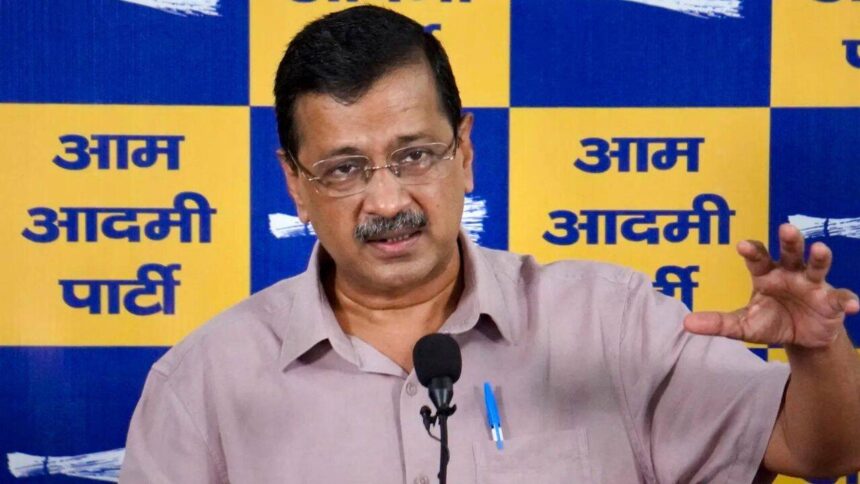
Aam Aadmi Party supremo Arvind Kejriwal has written to 29 automobile manufacturers, expressing concerns over the impact of E20 ethanol-blended fuel on vehicle mileage and engine safety. The move comes as the government prepares to roll out the cleaner fuel across the country, with Kejriwal seeking a written clarification from the manufacturers within seven days. The development has sparked a heated debate over the efficacy and safety of E20 fuel, with many questioning the government’s decision to promote its use without adequate testing.
E20 Fuel: A Step Towards Sustainability?
The introduction of E20 fuel is part of the government’s efforts to reduce the country’s dependence on fossil fuels and mitigate the impact of climate change. Ethanol-blended fuel is seen as a more environmentally friendly option, as it produces fewer emissions and can be produced domestically. However, concerns have been raised over the compatibility of E20 fuel with existing vehicle engines, with some manufacturers claiming that it could lead to a decrease in mileage and potentially damage engines.
Kejriwal’s letter to the automobile manufacturers has brought the issue to the forefront, with many calling for greater transparency and testing of E20 fuel before its widespread adoption. The AAP supremo has flagged the ‘contradictory’ claims made by some manufacturers, who have stated that E20 fuel is safe for use in their vehicles, while others have expressed reservations. The lack of clarity on the issue has left many vehicle owners confused and concerned about the potential impact on their vehicles.
Automobile Manufacturers Weigh In
Several automobile manufacturers have responded to Kejriwal’s letter, with some assuring that their vehicles are compatible with E20 fuel. However, others have expressed concerns over the potential impact on engine safety and mileage. The varied responses have highlighted the need for greater testing and standardization of E20 fuel, with many calling for a more comprehensive evaluation of its effects on different vehicle models.
The debate over E20 fuel has also sparked a discussion over the need for greater investment in alternative fuel sources and technologies. As the country moves towards a more sustainable future, the development of cleaner and more efficient fuels will play a critical role. The government’s push for E20 fuel is seen as a step in the right direction, but more needs to be done to address the concerns of vehicle owners and manufacturers.
Way Forward
The controversy over E20 fuel has highlighted the need for greater collaboration between the government, automobile manufacturers, and other stakeholders. A more comprehensive testing and evaluation of E20 fuel is necessary to address the concerns of vehicle owners and manufacturers. Additionally, the government must invest in education and awareness campaigns to inform the public about the benefits and potential risks of E20 fuel.
The AAP supremo’s letter has sparked a much-needed debate over the adoption of E20 fuel, and it remains to be seen how the government and automobile manufacturers will respond to the concerns raised. As the country moves towards a more sustainable future, it is essential that all stakeholders work together to develop cleaner and more efficient fuels that benefit both the environment and vehicle owners. The outcome of this debate will have significant implications for the future of the automotive industry and the country’s efforts to reduce its carbon footprint.