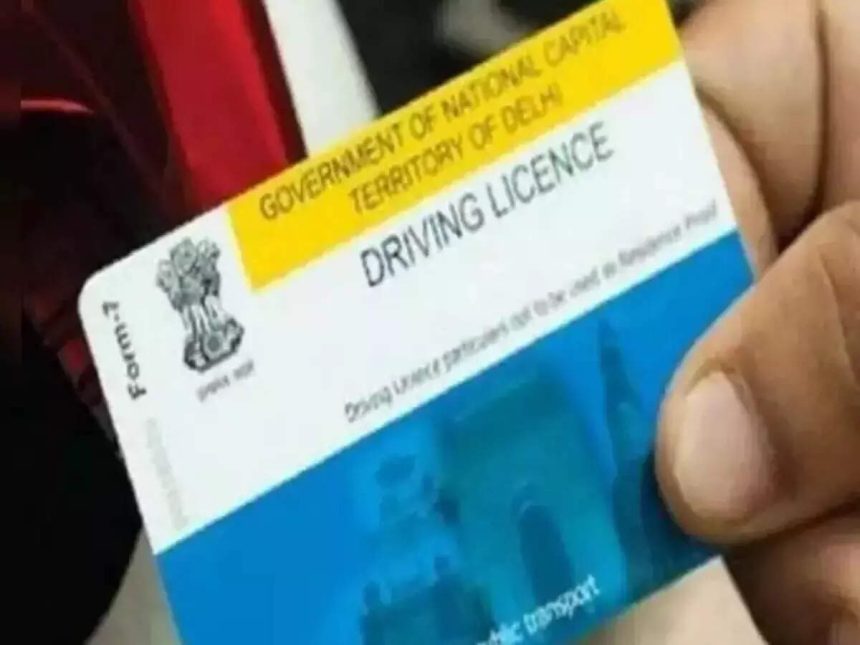
The Indian government has taken a significant leap towards digitization by expanding its online transport services from 58 to 100, making it easier for citizens to access various facilities from the comfort of their homes. The road transport ministry has made this possible through voluntary Aadhaar authentication, allowing individuals to apply for driving licenses, update their registration certificates, and avail of other services with ease. This move is expected to reduce the burden on regional transport offices and provide a hassle-free experience for the public.
Expanding Online Services
The newly added services include applying for driving licenses, adding a vehicle class to an existing license, permanently surrendering a license, and updating the mobile number linked to a license. These services will not only save time but also reduce the need for physical visits to regional transport offices, thereby minimizing the risk of corruption and harassment. The online platform will also provide an opportunity for citizens to track the status of their applications, receive updates, and download required documents.
The expansion of online services is a part of the government’s efforts to promote digital governance and improve the overall efficiency of the transport sector. By leveraging technology, the government aims to reduce the gap between citizens and government services, making it more accessible and transparent. The online platform will also help in reducing the workload of regional transport offices, allowing them to focus on more critical tasks such as enforcing traffic rules and ensuring road safety.
Benefits for Citizens
The increased number of online services will have a significant impact on the daily lives of citizens, particularly those who have to travel long distances to access these services. The online platform will provide a convenient and user-friendly experience, allowing individuals to apply for services at any time and from any location. This will be particularly beneficial for working professionals, students, and seniors who may not have the time or ability to visit regional transport offices during working hours.
The online services will also promote transparency and accountability, as citizens will be able to track the status of their applications and receive updates in real-time. This will help in reducing the scope for corruption and ensuring that services are delivered in a timely and efficient manner. Additionally, the online platform will provide an opportunity for citizens to provide feedback and suggestions, which can be used to improve the overall quality of services.
Future Plans and Challenges
The road transport ministry has plans to further expand the number of online services, aiming to make all transport-related services available online in the near future. However, this will require significant investments in technology and infrastructure, particularly in rural areas where internet penetration is limited. The government will also need to address concerns related to data security and privacy, ensuring that the personal data of citizens is protected and secure.
The success of the online platform will depend on the ability of the government to address these challenges and provide a seamless user experience. The government will need to work closely with various stakeholders, including citizens, regional transport offices, and technology providers, to ensure that the online services are accessible, efficient, and effective. As the transport sector continues to evolve, it is likely that we will see more innovative solutions and services being introduced, further transforming the way we access and use transport services.