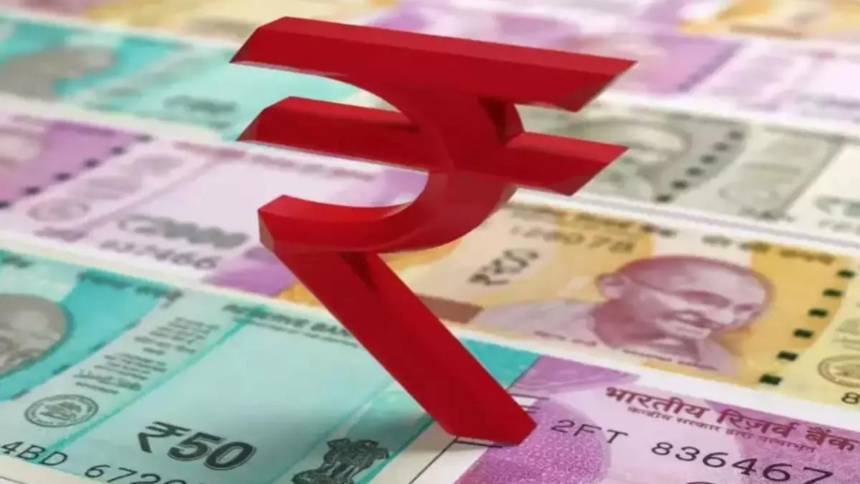
The Indian rupee slipped past the 96-mark against the US dollar for the first time since late May on Tuesday, pressured by the recent surge in crude oil prices and heightened geopolitical tensions in West Asia. This downward trend has sparked concerns among investors and policymakers, as a weaker currency can have far-reaching implications for the country’s economy. The rupee’s depreciation is likely to make imports more expensive, which could lead to higher inflation and impact consumer spending.
Economic Implications
The current economic scenario is complex, with multiple factors contributing to the rupee’s decline. The ongoing conflict in West Asia has led to a significant increase in oil prices, which has put pressure on India’s current account deficit. As a net importer of oil, India is heavily reliant on foreign oil, and the rising prices have resulted in higher import bills. Furthermore, the US Federal Reserve’s decision to raise interest rates has strengthened the dollar, making it more attractive to investors and leading to a decline in emerging market currencies, including the rupee.
The economic implications of a weak rupee are multifaceted. On one hand, it can make Indian exports more competitive in the global market, which could lead to an increase in export revenue. However, it can also lead to higher import costs, which could negate the benefits of increased export earnings. Additionally, a weak rupee can lead to higher inflation, as imported goods become more expensive, which could impact consumer spending and economic growth.
Market Reaction
The market reaction to the rupee’s decline has been mixed, with some investors taking a cautious approach while others see it as an opportunity to buy into the market. The Bombay Stock Exchange (BSE) Sensex and the National Stock Exchange (NSE) Nifty have been volatile, with investors closely watching the developments in the currency market. The decline in the rupee has also led to a surge in gold prices, as investors seek safe-haven assets in times of uncertainty.
The market is also watching the Reserve Bank of India’s (RBI) response to the rupee’s decline. The central bank has intervened in the currency market in the past to stem the decline of the rupee, and it is likely to take similar measures to support the currency. However, the RBI’s ability to intervene is limited, and it will have to balance its actions with the need to maintain foreign exchange reserves and manage inflation.
Future Outlook
The future outlook for the rupee is uncertain, with multiple factors that could influence its trajectory. The ongoing geopolitical tensions in West Asia and the US Federal Reserve’s monetary policy decisions will continue to impact the currency market. Additionally, the Indian government’s fiscal policy decisions and the RBI’s monetary policy actions will also play a crucial role in determining the rupee’s future course.
The Indian economy is at a critical juncture, and the rupee’s decline has added to the challenges faced by policymakers. The government will have to balance the need to manage the current account deficit with the need to maintain economic growth and control inflation. The RBI will also have to navigate the complex monetary policy landscape, balancing the need to support the currency with the need to manage inflation and maintain financial stability. As the situation continues to evolve, one thing is certain – the rupee’s decline is a significant challenge that will require careful management and prompt action from policymakers.