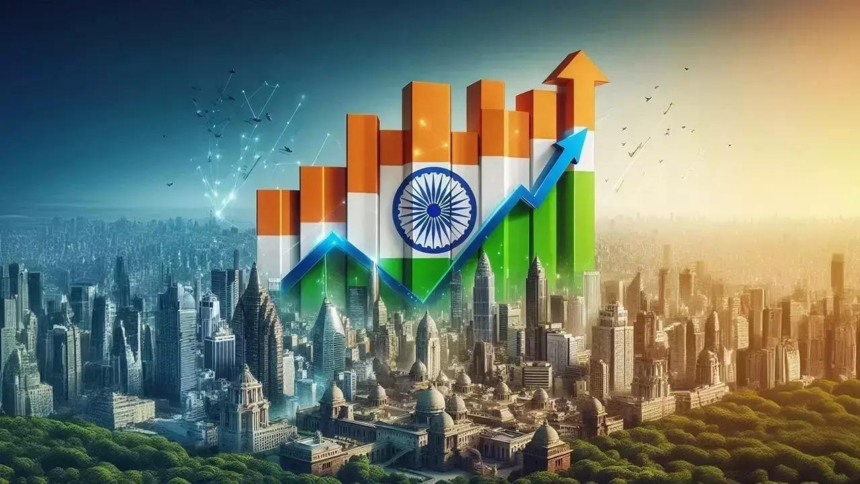
India’s economy has been a subject of concern for many in the business world, but new projections suggest that the country may be on the cusp of a significant growth spurt. Easing global energy prices and the normalisation of shipments through the Strait of Hormuz are expected to boost growth and inflation prospects, potentially pushing India’s economy to grow up to 6.8% in the current financial year. This development is a welcome relief for the country’s policymakers, who have been working tirelessly to stabilise the economy and attract foreign investment.
Domestic Demand: The Unsung Hero of India’s Economy
One of the key factors driving India’s economic growth is its resilient domestic demand. Despite global headwinds, including a slowdown in major economies and rising protectionism, Indian consumers have continued to spend, driving demand for goods and services. This has been particularly evident in the country’s services sector, which has been a key driver of growth in recent years. From e-commerce to finance, Indian consumers have been willing to spend, and businesses have been quick to respond, investing in new technologies and expanding their operations to meet growing demand.
However, the domestic demand story is not just about consumer spending. It is also about the growth of India’s manufacturing sector, which has been driven by government initiatives aimed at making the country a more attractive destination for foreign investment. The ‘Make in India’ programme, launched in 2014, has been a key driver of growth in the manufacturing sector, attracting billions of dollars in foreign investment and creating new opportunities for Indian businesses.
Global Headwinds: A Growing Threat to India’s Economy
While domestic demand is a key driver of India’s economic growth, the country is not immune to global headwinds. A slowdown in major economies, including the US and Europe, has had a trickle-down effect on India’s economy, reducing demand for its exports and making it more difficult to attract foreign investment. Additionally, rising protectionism, including the ongoing trade tensions between the US and China, has created uncertainty and volatility in the global economy, making it more challenging for India to grow.
However, the easing of global energy prices and the normalisation of shipments through the Strait of Hormuz are expected to mitigate some of these risks. Lower energy prices will reduce the cost of production for Indian businesses, making them more competitive in the global market. Additionally, the normalisation of shipments through the Strait of Hormuz will reduce the risk of supply chain disruptions, making it easier for Indian businesses to access raw materials and export their goods.
A Bright Future for India’s Economy
Despite the challenges posed by global headwinds, India’s economy is expected to continue growing in the coming years. The country’s policymakers have been working tirelessly to stabilise the economy and attract foreign investment, and their efforts are starting to bear fruit. The easing of global energy prices and the normalisation of shipments through the Strait of Hormuz are expected to boost growth and inflation prospects, potentially pushing India’s economy to grow up to 6.8% in the current financial year.
This development is a welcome relief for the country’s policymakers, who have been working tirelessly to stabilise the economy and attract foreign investment. It also provides a glimmer of hope for Indian businesses, which have been struggling to navigate the challenges posed by global headwinds. As the country continues to grow and develop, it is likely to become an increasingly important player in the global economy, making it a key destination for foreign investment and trade.