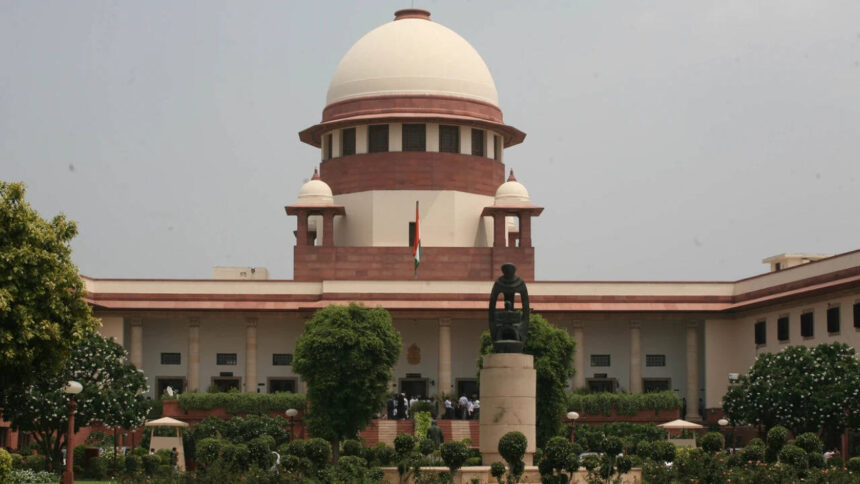
The Supreme Court of India has taken a significant step towards ensuring that justice is served promptly, even outside of regular working hours. In a move aimed at providing swift relief to litigants seeking protection of life and liberty, the court has agreed to devise a standard operating procedure (SOP) to hear urgent petitions after hours. This decision is expected to bring solace to many who have been knocking on the doors of constitutional courts in the dead of night, seeking immediate intervention in matters of utmost importance.
Expediting Justice
The Supreme Court’s decision to establish an SOP for hearing petitions after working hours is a response to the growing need for timely intervention in critical cases. The court recognizes that the right to life and liberty is fundamental and should not be limited by the constraints of a regular working day. By providing a mechanism for urgent hearings, the court aims to ensure that justice is served without delay, even in the most exceptional circumstances. This move is seen as a significant step forward in strengthening the country’s judicial system and upholding the principles of justice and fairness.
The proposed SOP is expected to outline a clear procedure for filing and hearing urgent petitions, including the criteria for determining which cases require immediate attention. The court will likely establish a dedicated team to handle such petitions, ensuring that they are processed and heard in a timely manner. This will not only provide relief to litigants but also help to reduce the backlog of cases in the court, allowing for a more efficient and effective dispensation of justice.
Protecting Life and Liberty
The Supreme Court’s decision to hear petitions after hours is particularly significant in cases where the protection of life and liberty is at stake. In such situations, every minute counts, and delayed intervention can have serious consequences. By providing a mechanism for urgent hearings, the court can intervene swiftly to prevent harm or injustice, upholding the fundamental rights of citizens. This move is expected to have a profound impact on the lives of many, providing a safety net for those who are most vulnerable and in need of protection.
The court’s decision is also seen as a reflection of its commitment to upholding the Constitution and ensuring that the rights of citizens are protected at all times. The Constitution guarantees the right to life and liberty, and it is the duty of the judiciary to ensure that these rights are safeguarded. By hearing petitions after hours, the Supreme Court is fulfilling its constitutional mandate and reinforcing its role as a guardian of fundamental rights.
Implementation and Implications
The implementation of the SOP for hearing petitions after hours will require careful planning and coordination. The court will need to establish clear guidelines and procedures for filing and hearing urgent petitions, as well as ensure that the necessary infrastructure and resources are in place. This may involve training judges and court staff to handle such petitions, as well as investing in technology and other resources to support the process.
The implications of the Supreme Court’s decision are far-reaching, with the potential to impact a wide range of cases and individuals. The move is expected to provide relief to those who have been seeking urgent intervention, while also strengthening the judicial system and upholding the principles of justice and fairness. As the court works to establish the SOP, it is likely that other courts and tribunals will follow suit, leading to a more efficient and effective system of justice across the country.
The Supreme Court’s decision to hear petitions after hours is a significant step forward in the pursuit of justice and the protection of fundamental rights. As the court works to establish the SOP, it is clear that this move will have a profound impact on the lives of many, providing a safety net for those who are most vulnerable and in need of protection. With its commitment to upholding the Constitution and ensuring that justice is served promptly, the Supreme Court is reinforcing its role as a guardian of fundamental rights and a champion of justice and fairness.