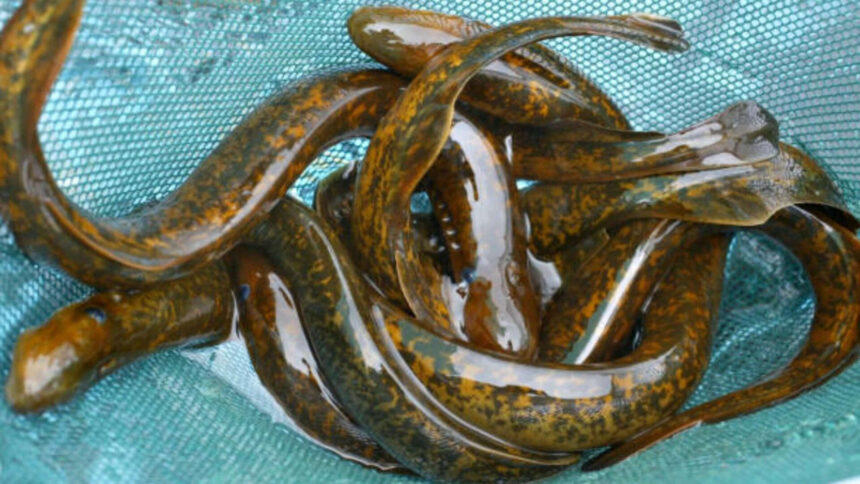
The Great Lakes, a treasured ecosystem in North America, are home to a diverse array of aquatic life. However, beneath the surface, a silent predator lurks, threatening the very existence of the native fish population. Every year, scientists embark on a massive effort to eradicate over 9 million sea lampreys, eel-like creatures with a devastating impact on the Great Lakes’ ecosystem. This staggering number raises questions about the nature of this predator and the measures taken to control its population. At a recent meet-and-greet event, a group of sea lampreys made an unusual appearance, posing for cameras and even interacting with attendees, including a memorable moment when one of them attached itself to the palm of a representative.
The Sea Lamprey Menace
Sea lampreys are parasitic creatures that feed on the bodily fluids of other fish, leaving their hosts severely weakened and often dead. Their presence in the Great Lakes has been a major concern for decades, with the first recorded infestation dating back to the 1920s. Since then, the lamprey population has grown exponentially, posing a significant threat to the native fish species, including trout, salmon, and whitefish. The lampreys’ ability to adapt to different environments and their unique life cycle, which involves a parasitic stage, make them a formidable enemy in the Great Lakes’ ecosystem.
The impact of sea lampreys on the Great Lakes’ fish population is multifaceted. Not only do they directly attack and kill their hosts, but they also disrupt the food chain, causing a ripple effect throughout the ecosystem. The economic implications of a lamprey infestation are also significant, with the potential to devastate the commercial and recreational fishing industries. In response to this threat, scientists and conservationists have joined forces to develop effective control measures, including the use of lampricides, which target the lamprey larvae, and the construction of barriers to prevent their migration.
Fighting Back: Control Measures and Research
The Great Lakes Fishery Commission (GLFC) has been at the forefront of the battle against sea lampreys, implementing a range of control measures to mitigate their impact. One of the most effective methods has been the use of lampricides, which are applied to infested streams and rivers to target the lamprey larvae. The GLFC has also invested in research to improve the understanding of sea lamprey biology and behavior, including the development of new control technologies and strategies. Additionally, the commission has worked to raise awareness about the issue, engaging with local communities and stakeholders to promote the importance of sea lamprey control.
Despite the progress made, the war on sea lampreys is far from over. The GLFC continues to face challenges in its efforts to control the lamprey population, including the need for sustained funding and the complexities of working across international borders. Furthermore, the ongoing climate change poses a new threat, as changing water temperatures and levels may alter the lampreys’ behavior and distribution. As scientists and conservationists strive to stay ahead of this evolving threat, they must also navigate the complexities of ecosystem management, balancing the need to protect native species with the potential risks associated with control measures.
A Delicate Balance: Ecosystem Management and Conservation
The Great Lakes’ ecosystem is a delicate balance of species and habitats, and the control of sea lampreys is just one aspect of a broader conservation effort. The GLFC and its partners must consider the potential impacts of control measures on non-target species and the ecosystem as a whole. This requires a nuanced approach, taking into account the complex relationships between species and their environments. As the fight against sea lampreys continues, it is essential to recognize the importance of preserving the Great Lakes’ biodiversity and the need for a comprehensive and sustainable approach to ecosystem management.
The encounter between the representative and the sea lamprey at the meet-and-greet event may have been an unusual one, but it highlights the importance of raising awareness about the issue and engaging with the public. As the scientists and conservationists work tirelessly to protect the Great Lakes’ ecosystem, it is crucial that the broader community understands the significance of their efforts and the need for continued support. The war on sea lampreys is a complex and ongoing battle, but with persistence, dedication, and a commitment to conservation, it is possible to mitigate the impact of this devastating predator and preserve the beauty and biodiversity of the Great Lakes for future generations.