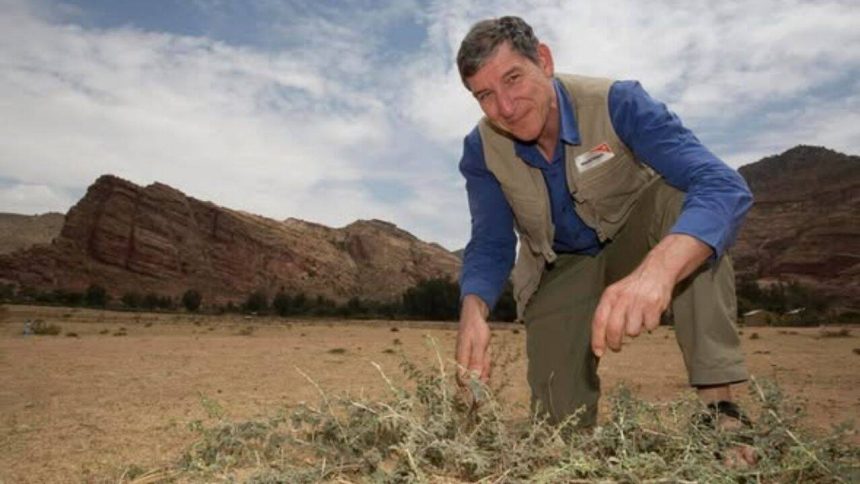
In the heart of the Sahara Desert, where sand dunes stretch as far as the eye can see and the sun beats down relentlessly, a remarkable transformation is underway. Tony Rinaudo, an Australian agronomist, has spent the last few decades working with farmers in Niger to revive the country’s dry landscapes, and the results are nothing short of astonishing. With over 200 million trees now standing tall, the once-barren terrain is teeming with life, and the impact on the local community is nothing short of miraculous.
Reviving Dormant Roots
Rinaudo’s approach, known as Farmer Managed Natural Regeneration (FMNR), is deceptively simple. Rather than planting new trees from seed, he and his team work with farmers to identify areas where trees have been cut down or left to die. Using a combination of traditional knowledge and modern techniques, they help the farmers revive the dormant roots of the trees, coaxing them back to life. The result is a forest that is not only self-sustaining but also more resilient to drought and other environmental stressors.
FMNR’s effectiveness lies in its ability to tap into the existing root systems of trees, allowing them to grow back quickly and efficiently. This approach not only reduces the need for expensive and time-consuming reforestation efforts but also gives local communities a sense of ownership and control over their environment. By empowering farmers to take charge of their own land, Rinaudo’s approach has not only revitalized the landscape but also helped to build more sustainable and equitable communities.
A Tree for Every Child
One of the most striking aspects of Rinaudo’s work in Niger is the impact it has had on local children. In a country where poverty and malnutrition are widespread, the regeneration of forests has provided a lifeline for families struggling to make ends meet. With more trees comes more shade, more food, and more opportunities for economic growth. In many areas, Rinaudo’s team has even implemented a program where a tree is planted for every child born or adopted, giving each new generation a stake in the forest’s future.
The benefits of this approach extend far beyond the local community, however. As forests grow and thrive, they play a critical role in mitigating the effects of climate change, protecting water sources, and preserving biodiversity. In a world where the natural world is under increasing pressure, Rinaudo’s work in Niger serves as a powerful reminder of the importance of conservation and the potential for human innovation to drive positive change.
A Model for the Future
So what can we learn from Rinaudo’s remarkable success in Niger? For one, it highlights the importance of community-led conservation efforts, where local knowledge and expertise are harnessed to achieve environmental goals. It also underscores the potential of simple, low-cost solutions to complex environmental problems. By empowering communities to take charge of their own land and resources, we can create a more equitable and sustainable future for all.
As Rinaudo’s work continues to inspire and motivate people around the world, one thing is clear: the Sahara Desert will never be the same again. With over 200 million trees now standing tall, this once-barren landscape has been transformed into a vibrant and thriving ecosystem, a testament to the power of human ingenuity and determination.