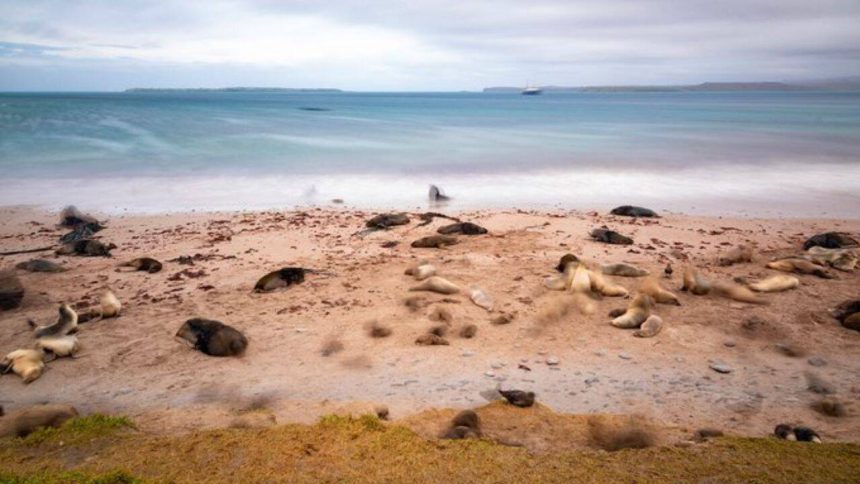
The pristine waters and lush forests of New Zealand’s rugged coastline have long been a haven for native birds, marine animals, and land. However, a sinister presence has threatened the very existence of this fragile ecosystem: invasive species. To combat this environmental menace, the New Zealand government and Maori natives, the indigenous people of the country, have launched a monumental operation to restore three islands to their former glory. Dubbed ‘Project Island Biodiversity’, this $202 million endeavour is one of the largest ecological restoration projects in New Zealand’s history, aiming to eradicate invasive mammals and revive the native wildlife.
Island Rebirth: A New Beginning
The restoration efforts will be carried out on three islands located off the coast of New Zealand: Big South Cape Island, Brothers Island, and Anchor Island. These islands, once teeming with native birds and wildlife, have been ravaged by the introduction of invasive species such as rats, cats, and stoats. The Maori people, who have a deep spiritual connection to these islands, have been integral to the planning and execution of the project. Their knowledge and expertise have been invaluable in understanding the ecological dynamics of the islands and developing effective strategies to eradicate invasive species.
The eradication process will involve a multi-faceted approach, including the deployment of ground-based and aerial traps, as well as the use of toxins to eliminate invasive mammals. The project team will also work to reintroduce native species, including birds and insects, to the islands. The ultimate goal is to create a self-sustaining ecosystem, where native species can thrive without the presence of invasive predators.
A Scientific Approach
The success of Project Island Biodiversity will rely heavily on cutting-edge science and technology. Researchers from New Zealand’s universities and research institutions will work closely with the project team to develop and implement effective strategies for eradicating invasive species and reintroducing native species. Advanced technologies, such as drones and satellite imaging, will be used to monitor the islands and track the progress of the restoration efforts.
The project will also provide a unique opportunity for scientists to study the ecology of these islands and develop new understanding of the complex relationships between native species and their environment. This knowledge will be invaluable in informing conservation efforts not only in New Zealand but also globally.
A Beacon of Hope for Conservation
Project Island Biodiversity is a testament to the power of collaboration and determination in the face of environmental adversity. The partnership between the New Zealand government and the Maori people has set a precedent for effective conservation efforts. The success of this project will serve as a beacon of hope for conservationists around the world, demonstrating that even the most seemingly insurmountable challenges can be overcome through the application of science, technology, and community engagement.
As the restoration efforts get underway, the people of New Zealand and the international community will be watching with bated breath. Will the islands be restored to their former glory? Only time will tell. But one thing is certain: the fate of these islands will have far-reaching implications for the future of conservation and the protection of our precious natural heritage.