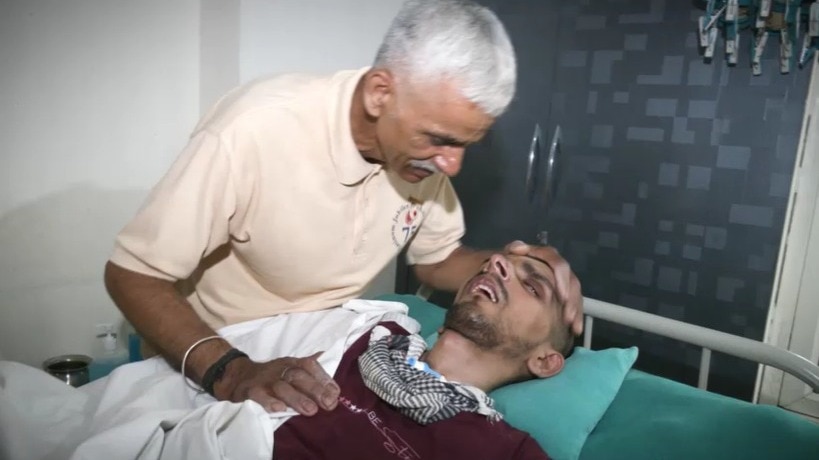
The recent passing of Harish Rana, a man who made history as India’s first person to be allowed passive euthanasia, marks a poignant moment in the country’s journey towards redefining end-of-life care. His case, which led to the Supreme Court-mandated withdrawal of life support, has sparked a national conversation about the right to die with dignity. As the nation grapples with the complexities of this issue, one thing is clear: Harish Rana’s legacy will have a lasting impact on India’s medical and legal landscape.
Landmark Case, Landmark Moment
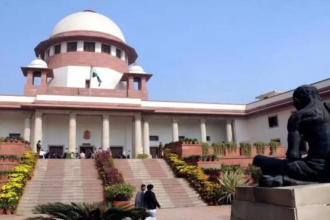
The circumstances surrounding Harish Rana’s case are a testament to the evolving nature of India’s healthcare system. After being diagnosed with a terminal illness, Rana’s family approached the courts to seek permission for passive euthanasia, a decision that would ultimately be upheld by the Supreme Court. The Court’s ruling, which emphasized the importance of dignity and autonomy in end-of-life care, has set a significant precedent for future cases. As doctors, lawyers, and policymakers navigate the intricacies of this issue, they will undoubtedly draw upon the lessons learned from Rana’s case.
The road to this landmark moment was not without its challenges. Proponents of passive euthanasia have long argued that it is a necessary step in ensuring that patients are able to die with dignity, free from the burden of unnecessary medical interventions. However, opponents have raised concerns about the potential for abuse and the need for robust safeguards to protect vulnerable patients. As the debate continues, it is clear that Harish Rana’s case has brought a sense of urgency and clarity to the discussion.
A New Era in End-of-Life Care
The implications of Harish Rana’s case extend far beyond the individual circumstances of his own illness. As India’s population ages and the prevalence of terminal illnesses increases, the need for a compassionate and patient-centered approach to end-of-life care has never been more pressing. Hospitals and healthcare providers are now being called upon to develop protocols and guidelines that prioritize dignity, autonomy, and quality of life. This shift in focus is not without its challenges, but it is a crucial step towards creating a more humane and supportive environment for patients and their families.
The role of technology in facilitating end-of-life care is also an area that is ripe for exploration. From telemedicine platforms that enable remote consultations to artificial intelligence-powered diagnostic tools, there are numerous ways in which technology can be leveraged to improve patient outcomes and enhance the overall quality of care. As India continues to invest in its healthcare infrastructure, it is essential that these innovations are harnessed to support the delivery of compassionate and patient-centered care.
Looking to the Future
As the nation reflects on Harish Rana’s legacy, it is clear that his case has opened up new avenues for discussion and debate. Experts in the field are now calling for a more nuanced and multifaceted approach to end-of-life care, one that takes into account the complex interplay between medical, legal, and social factors. This is a conversation that will require input from a wide range of stakeholders, from healthcare professionals and patient advocacy groups to policymakers and community leaders.
Ultimately, the impact of Harish Rana’s case will be measured not just by the legal and medical precedents it has set, but by the lives it has touched and the conversations it has sparked. As India continues to navigate the complexities of end-of-life care, it is essential that we remain committed to upholding the values of dignity, autonomy, and compassion that have guided this journey so far. By doing so, we can create a more just and humane society, one that prioritizes the needs and well-being of all individuals, regardless of their circumstances.
The passing of Harish Rana may have marked the end of one chapter, but it has also signaled the beginning of a new and important journey. As we look to the future, it is clear that the lessons learned from his case will continue to shape and inform our approach to end-of-life care, inspiring us to create a more compassionate and supportive environment for patients and their families. And it is this legacy that will truly be Harish Rana’s lasting impact on India’s medical and legal landscape.