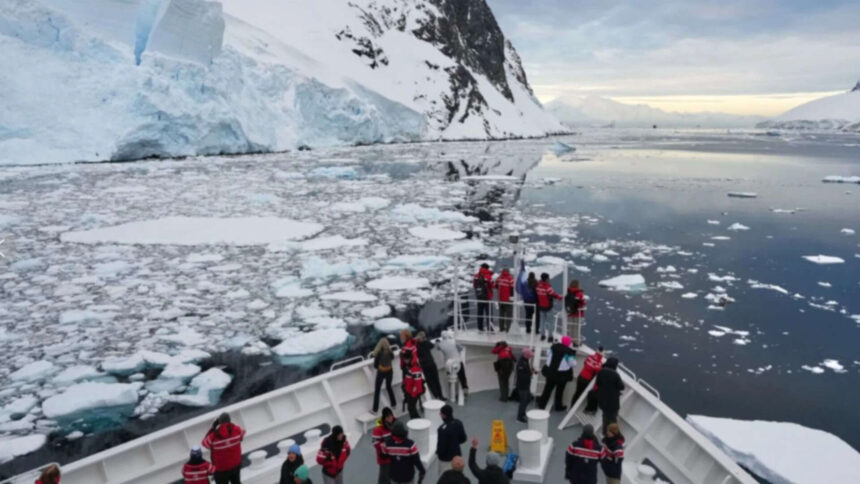
A record 120,000 tourists visited Antarctica in the 2025-26 season, a number that has sparked concerns among former guides who have spent years witnessing the impact of human activity on the continent’s fragile ecosystem. For many of these guides, the experience of watching climate change unfold up close, coupled with the knowledge that they were contributing to the problem by bringing more tourists to the region, became too much to bear. As a result, several former guides have spoken out about their decision to leave the industry, citing the inability to reconcile their love for Antarctica with the environmental consequences of tourism.
The Human Impact on Antarctica
The Antarctic tourism industry has experienced rapid growth in recent years, with the number of visitors increasing by over 50% in the past decade. While this surge in interest has brought much-needed revenue to the region, it has also raised concerns about the potential for environmental degradation. Former guides who have spoken out about their experiences describe a sense of disillusionment with the industry, which they feel has prioritized profits over sustainability. Many of these guides reported feeling a deep emotional connection to the continent, which made it difficult for them to continue working in an industry that they felt was harming the very place they loved.
One of the primary concerns among former guides is the impact of tourism on Antarctica’s wildlife. The presence of large numbers of tourists can disrupt the natural behavior of animals such as penguins, seals, and whales, and can also lead to the introduction of non-native species that can outcompete native species for resources. Additionally, the increasing number of tourists has put pressure on the continent’s infrastructure, leading to concerns about waste management, pollution, and the potential for accidents.
The Guide’s Dilemma
For many former guides, the decision to leave the industry was not an easy one. Many had spent years working in Antarctica, and had developed a deep love and respect for the continent and its ecosystem. However, as they witnessed the impact of tourism firsthand, they began to question whether their work was contributing to the problem. Some guides reported feeling a sense of guilt or shame about their role in the industry, while others felt frustrated by the lack of action being taken to address the environmental concerns. Despite the challenges, many former guides are now speaking out about their experiences, in the hope that their stories can raise awareness about the need for sustainable tourism practices in Antarctica.
The experiences of former guides highlight the complex and often conflicting nature of tourism in Antarctica. On the one hand, tourism can provide a valuable source of income and support for conservation efforts. On the other hand, the presence of large numbers of tourists can have significant environmental impacts, and can undermine the very thing that tourists have come to see. As the tourism industry continues to grow, it is essential that steps are taken to ensure that tourism is managed in a sustainable and responsible way, and that the needs of the environment are prioritized.
A Sustainable Future for Antarctica
So what can be done to address the concerns about tourism in Antarctica? One possible solution is the implementation of stricter regulations and guidelines for the tourism industry. This could include measures such as limiting the number of tourists allowed to visit the continent, implementing stricter waste management and pollution controls, and providing education and training for tourists about the importance of responsible and sustainable tourism practices. Additionally, there is a need for greater investment in conservation efforts, and for the development of sustainable and environmentally-friendly infrastructure.
As the number of tourists visiting Antarctica continues to grow, it is essential that we take action to protect the continent’s fragile ecosystem. The stories of former guides who have spoken out about their experiences serve as a reminder of the importance of responsible and sustainable tourism practices, and highlight the need for urgent action to address the environmental concerns. By working together, we can ensure a sustainable future for Antarctica, and preserve the continent’s unique and fragile ecosystem for generations to come.