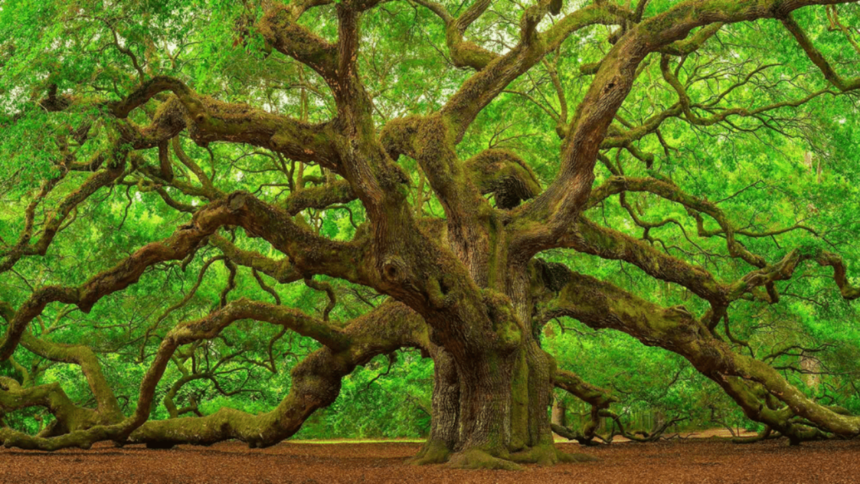
The world of botany has just taken a devastating hit with the revelation that nearly three-quarters of Asian oak species are at risk of disappearing forever. A recent study of 54 Asian oak species has exposed a staggering lack of backup trees in botanical collections around the globe. The alarming findings indicate that 40 out of the 54 species have no living representation in any botanical garden or institution, leaving them vulnerable to extinction. This sobering reality has sent shockwaves through the scientific community, highlighting the urgent need for conservation efforts to protect these precious trees.
Botanical Collections Fall Short
Botanical gardens and institutions are typically considered safe havens for preserving plant species. However, the study’s findings suggest that even these supposedly secure collections may not be equipped to handle the demands of species preservation. The researchers discovered that many of the Asian oak species are missing from these collections due to a lack of representation or inadequate storage conditions. This lack of backup trees not only puts the species at risk but also hampers scientific research and conservation efforts.
One of the primary reasons behind this shortage is the limited availability of Asian oak species in the global market. Unlike their European counterparts, which are widely available and in high demand, Asian oak species are relatively rare and expensive to source. This scarcity has made it difficult for botanical gardens to acquire and maintain a diverse collection of these species. Furthermore, the high cost of importing and maintaining these trees has forced many institutions to prioritize more commercially viable species.
Consequences of Species Loss
The loss of Asian oak species would have far-reaching consequences for the environment and human societies alike. These trees play a crucial role in supporting local ecosystems, providing shade, and serving as a natural habitat for various animal species. The decline of these trees could lead to a cascade of ecosystem disruptions, impacting the delicate balance of nature. Moreover, Asian oak species have been used for centuries in traditional medicine, timber, and other industries, and their loss could have significant economic implications.
The study’s findings have sparked calls for immediate action to address the shortage of Asian oak species in botanical collections. Researchers are urging institutions to prioritize the acquisition and preservation of these species, as well as to develop more sustainable methods for maintaining and displaying them. Additionally, governments and conservation organizations are being encouraged to provide financial and logistical support for these efforts.
Raising Awareness and Taking Action
Raising awareness about the plight of Asian oak species is essential for mobilizing public support and driving conservation efforts. By sharing the findings of this study with a broader audience, we can spark a sense of urgency and encourage individuals to take action. This can involve supporting organizations that work to preserve plant species, reducing our carbon footprint, and promoting sustainable practices in our daily lives.
As we face the silent threat of Asian oak species extinction, it is crucial that we act swiftly and collectively to protect these precious trees. By working together, we can ensure that future generations inherit a world where biodiversity thrives and the beauty of nature is preserved for all to enjoy.