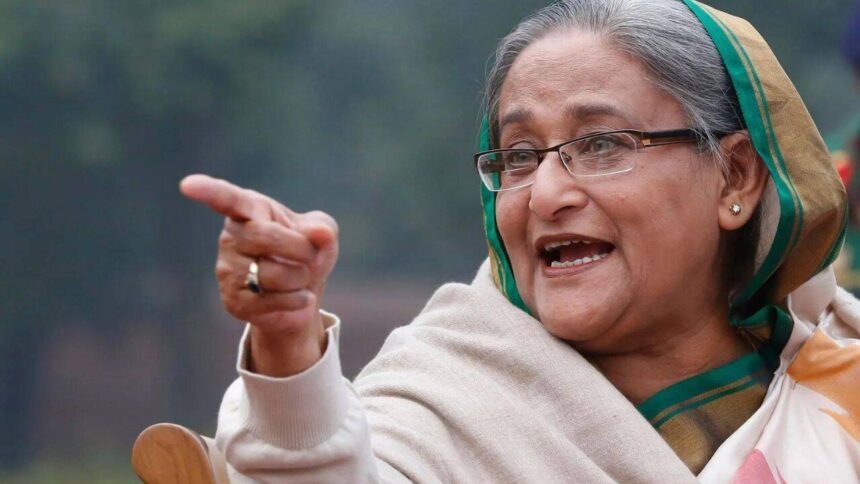
Bangladesh’s media landscape has been thrown into turmoil after the government, led by Tarique Rahman of the BNP, issued a stern warning to all media outlets against broadcasting statements made by Sheikh Hasina, the chief of the Awami League. The move has sparked widespread concern among journalists, activists, and opposition supporters, who view this as a blatant attempt to muzzle dissenting voices and stifle freedom of expression. As the country teeters on the brink of a major political crisis, the international community is watching with bated breath, anxious to see how this situation unfolds.
Background to the Crisis
The warning issued by the government is the latest salvo in a long-running and often bitter feud between the ruling BNP and the opposition Awami League. Sheikh Hasina, a veteran politician and former prime minister, has been a vocal critic of the current government, accusing it of corruption, mismanagement, and human rights abuses. Her speeches and statements have been widely covered by the media, and it is likely that the government views this as a threat to its authority and legitimacy. By banning the broadcast of her speeches, the government hopes to limit her ability to reach a wider audience and mobilize opposition to its rule.
The move has been condemned by human rights groups and media watchdogs, who argue that it is a clear violation of the right to freedom of expression and the independence of the media. They point out that a free and independent media is essential for a healthy democracy, and that any attempt to restrict or censor it is a threat to the very foundations of democratic governance. As the situation continues to escalate, there are fears that the government may take further action against the media, potentially even shutting down outlets that refuse to comply with its directives.
International Reaction
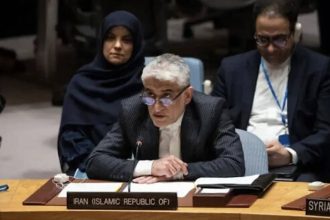
The international community has been quick to respond to the crisis, with many countries and organizations expressing concern over the government’s actions. Diplomats and human rights officials have been in touch with the Bangladeshi government, urging it to reconsider its decision and respect the rights of the media and the opposition. The United States, the European Union, and other major powers have all issued statements calling for restraint and dialogue, and warning against any further escalation of the crisis.
The United Nations has also weighed in, with the Secretary-General issuing a statement expressing concern over the situation and calling on all parties to respect the principles of democracy and human rights. The UN has a long history of involvement in Bangladesh, and its officials have been working behind the scenes to try to resolve the crisis and prevent further violence. As the situation continues to unfold, it is likely that the UN will play an increasingly important role in trying to broker a peaceful resolution.
Implications and Next Steps
The implications of the government’s actions are far-reaching, and could have significant consequences for the future of democracy in Bangladesh. If the media is unable to report freely and accurately, it will be difficult for citizens to make informed decisions about their leaders and their policies. This could lead to a lack of accountability, and potentially even more corruption and abuse of power. The opposition, meanwhile, may be forced to go underground, using clandestine means to communicate with its supporters and mobilize resistance to the government.
As the crisis deepens, it is unclear what the next steps will be. The government may try to enforce its ban on Sheikh Hasina’s speeches, potentially using force or intimidation to silence the media and the opposition. Alternatively, it may try to negotiate a compromise, offering concessions to the opposition in exchange for their cooperation and support. Whatever the outcome, it is clear that the situation in Bangladesh will continue to be closely watched by the international community, and that the stakes are high for all parties involved.