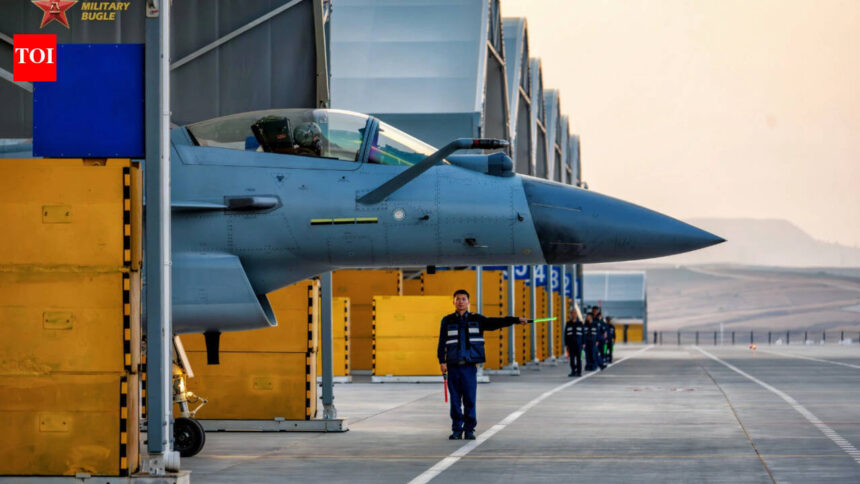
The Bangladeshi Air Force is poised to make a significant leap in its defence capabilities with the potential acquisition of 24 J-10CE fighter aircraft from China, a deal that would not only bolster the country’s air power but also underscore the growing strategic partnership between Bangladesh and China. This development comes on the heels of Pakistan’s own procurement of the same fighter jets, highlighting the J-10CE’s appeal in the region. The implications of such a deal are multifaceted, ranging from the enhancement of Bangladesh’s defence posture to the geopolitical dynamics it might influence in South Asia and beyond.
Enhancing Defence Capabilities
The J-10CE, an advanced multi-role fighter, is designed to provide air superiority and ground attack capabilities, making it an attractive asset for any air force seeking to modernize its fleet. For Bangladesh, the acquisition would represent a substantial upgrade over its current inventory, potentially allowing the Bangladeshi Air Force to operate on a more level playing field with its regional counterparts. The aircraft’s advanced avionics, radar systems, and weapon payload capacity would significantly enhance the country’s ability to defend its airspace and undertake a variety of military operations.
The decision to opt for the J-10CE also reflects Bangladesh’s strategic defence procurement policy, which has increasingly looked towards China for major military hardware. This shift is driven by a combination of factors, including the cost-effectiveness of Chinese defence products, the political goodwill between the two nations, and China’s ability to offer comprehensive military technology solutions. As Bangladesh continues to modernize its military, the choice of the J-10CE indicates a preference for platforms that can provide both immediate operational capabilities and long-term strategic benefits.
Geopolitical Implications
The potential sale of J-10CE fighters to Bangladesh is set against the backdrop of evolving geopolitical dynamics in South Asia, where the influence of major powers like China, the United States, and India is being keenly felt. China’s expanding defence exports, particularly in the region, signal its growing prominence as a global arms supplier, challenging the traditional dominance of Western manufacturers. The deal, if finalized, would further cement China’s position as a key defence partner for Bangladesh, potentially influencing the balance of power in the region and underscoring the deepening China-Bangladesh strategic relationship.
Beyond the bilateral implications, the acquisition could also have regional security dimensions, potentially prompting other nations in South Asia to reassess their military modernization plans. The introduction of advanced fighter jets like the J-10CE into the regional military landscape could trigger a fresh round of defence procurements, as countries seek to maintain or enhance their military capabilities relative to their neighbours. This dynamic, while driven by legitimate security concerns, also carries the risk of escalating a regional arms race, with potentially destabilizing consequences.
Future Prospects and Challenges
As Bangladesh moves forward with its plans to acquire the J-10CE, several challenges and opportunities are likely to emerge. On the operational front, integrating the new fighter jets into the Bangladeshi Air Force will require significant investments in pilot training, maintenance infrastructure, and logistics support. The country will also need to develop strategies for ensuring the long-term sustainability of the J-10CE fleet, including arrangements for spare parts, upgrades, and potential future modernizations.
Despite these challenges, the acquisition of the J-10CE represents a critical step in Bangladesh’s defence modernization journey, offering the potential for enhanced security and greater strategic autonomy. As the country navigates the complexities of regional geopolitics and global defence markets, its ability to forge effective partnerships and make informed procurement decisions will be crucial in achieving its security objectives. The J-10CE deal, in this context, is not just a significant defence acquisition but a reflection of Bangladesh’s evolving strategic priorities and its place within the broader landscape of international relations.
The impending deal between Bangladesh and China for the J-10CE fighters marks a significant moment in the history of their bilateral defence cooperation, promising to redefine the contours of their strategic relationship and influence the security dynamics of South Asia. As the world watches the unfolding of this major defence agreement, the implications for regional stability, global arms markets, and the future of international security relations will be closely observed and debated.