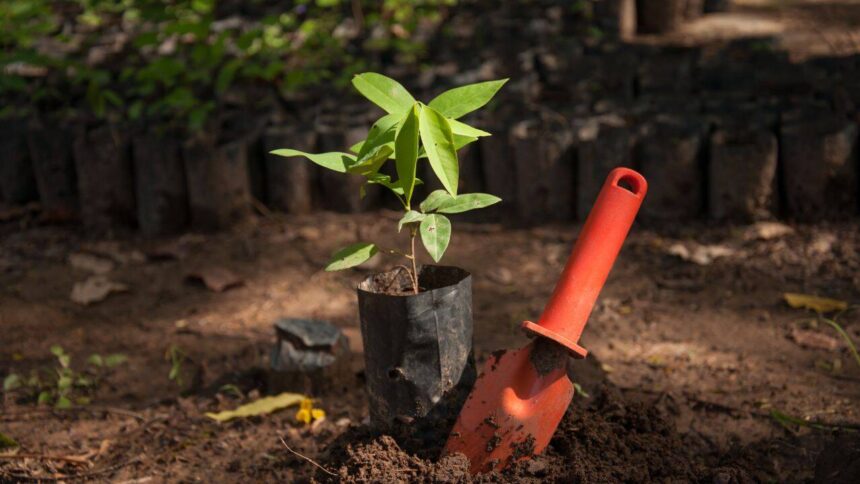
The lush green landscape of Bangladesh is set to undergo a dramatic transformation in the coming years. The government has unveiled a massive plan to plant 250 million trees across the country, a move aimed at boosting the nation’s green cover, meeting a key election promise, and securing long-term climate and biodiversity goals. However, while conservationists praise the initiative, they also sound a warning: the wrong trees could do more harm than good, threatening to unravel entire ecosystems.
Planting for the Future
Prime Minister Sheikh Hasina launched the ambitious tree-planting drive in 2022, marking a significant step in the country’s commitment to environmental conservation. The goal is to increase the country’s forest cover from the current 15% to 25% by 2030, reducing the impact of climate change and enhancing the quality of life for Bangladesh’s 160 million residents. The project will not only provide jobs and stimulate economic growth but also help to mitigate the effects of natural disasters, such as cyclones and floods.
The initiative will involve millions of citizens, who will be encouraged to participate in tree-planting activities across the country. Community-led forest management will play a crucial role, with local people taking ownership of the trees they plant, nurture, and protect. This approach is expected to foster a sense of responsibility and pride among citizens, leading to a deeper appreciation for the natural world and a renewed commitment to conservation.
The Wrong Trees, the Wrong Ecosystems
While the tree-planting drive is a commendable effort, conservationists are concerned that the wrong trees are being chosen for the project. Many of the species selected are non-native, invasive, and highly competitive, which could outcompete native species and disrupt the delicate balance of ecosystems. This could have devastating consequences, including the loss of biodiversity, soil degradation, and even the extinction of threatened species.
Experts point out that the country’s unique geography and climate make it home to a rich array of flora and fauna, including the critically endangered Bengal tiger and the Indian rhinoceros. These species, along with countless others, are adapted to specific ecosystems, and the introduction of non-native trees could lead to the displacement of these species and the degradation of their habitats.
A Balance Between Ambition and Prudence
The tree-planting drive poses a delicate challenge for conservationists and policymakers alike. On the one hand, the initiative has the potential to make a significant contribution to climate change mitigation and biodiversity preservation. On the other hand, the risk of choosing the wrong trees and disrupting ecosystems cannot be overstated.
Achieving a balance between ambition and prudence will be crucial in ensuring the success of this project. This requires a thorough assessment of the ecological impact of the trees being planted, as well as a commitment to using native species that are adapted to the country’s unique environment. By taking a more cautious approach, Bangladesh can avoid the pitfalls of well-meaning but ill-conceived environmental initiatives and create a healthier, more resilient ecosystem for future generations.
As the country embarks on this ambitious journey, it is essential that policymakers, conservationists, and citizens work together to ensure that the tree-planting drive is a resounding success. By doing so, Bangladesh can not only meet its environmental goals but also create a greener, more sustainable future for its people and the planet.