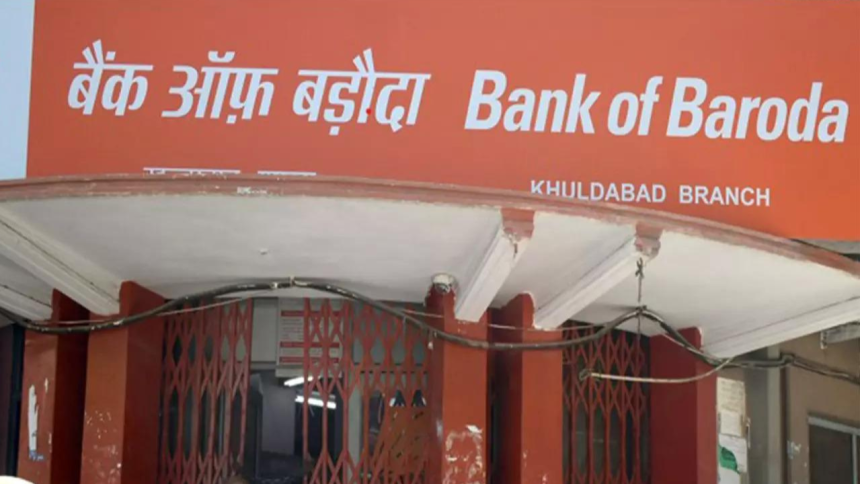
Bank of Baroda, one of India’s largest public sector lenders, has negotiated a historic $600 million (approximately Rs 5,700 crore) settlement with the administrators of NMC Health, the collapsed West Asian healthcare conglomerate. This out-of-court agreement marks a significant turning point in a years-long saga of cross-border insolvency and fraud-related litigation, with both parties agreeing to make no admission of liability in the process. As a result, courts in Abu Dhabi Global Market (ADGM) and the UK have initiated proceedings to discontinue the cases, signaling a closure to this contentious chapter in the global financial landscape.
Unraveling the NMC Health Crisis
The NMC Health saga began with the collapse of the company in 2020, which led to a cascade of insolvency proceedings across various jurisdictions. Bank of Baroda, being one of the largest creditors, had been embroiled in a complex web of litigation and negotiations with the administrators, the Abu Dhabi-based creditors, and other stakeholders. The lender’s exposure to NMC Health was significant, with estimates suggesting that it had advanced over $1 billion to the company, making it a critical player in the settlement negotiations.
The prolonged dispute had raised concerns about the implications of cross-border insolvency and the limits of jurisdiction in international financial transactions. The Bank of Baroda settlement offers a glimmer of hope for resolving such complex cases through collaborative negotiations, rather than costly and protracted litigation. As the lender moves forward from this settlement, it is likely to re-evaluate its risk assessment and due diligence processes to prevent similar exposures in the future.
A New Era of Cross-Border Cooperation
The settlement between Bank of Baroda and NMC Health’s administrators marks a significant step towards fostering cross-border cooperation in resolving insolvency disputes. This development sends a strong signal to the international business community that out-of-court settlements can be a viable alternative to protracted litigation, reducing the risk of reputational damage and financial losses for all parties involved.
The Abu Dhabi Global Market (ADGM) and the UK courts’ decision to discontinue the proceedings underscores the effectiveness of this collaborative approach. As the global economy continues to navigate the complexities of international finance, this settlement serves as a valuable precedent for future disputes, highlighting the benefits of diplomatic negotiations in resolving contentious issues.
Looking Ahead: Challenges and Opportunities
While the Bank of Baroda settlement brings closure to the NMC Health saga, it also presents new challenges and opportunities for the lender. As it moves forward, Bank of Baroda will need to reassess its risk management strategies to prevent similar exposures in the future. The lender will also need to navigate the evolving landscape of cross-border insolvency laws and regulations, staying ahead of the curve to minimize potential risks.
Furthermore, this settlement offers a glimpse into the potential benefits of collaborative negotiations in international financial transactions. As the global economy continues to grow and become increasingly interconnected, the need for effective cross-border cooperation and dispute resolution mechanisms will only continue to rise. By learning from the Bank of Baroda-NMC Health settlement, the financial community can develop more efficient and effective strategies for resolving complex disputes, promoting a more stable and prosperous global business environment.
As Bank of Baroda emerges from the NMC Health storm, it is clear that this settlement marks a significant milestone in the lender’s journey towards recovery and growth. With a renewed focus on risk management and cross-border cooperation, Bank of Baroda is well-positioned to navigate the complexities of the global financial landscape, emerging stronger and more resilient than ever before.