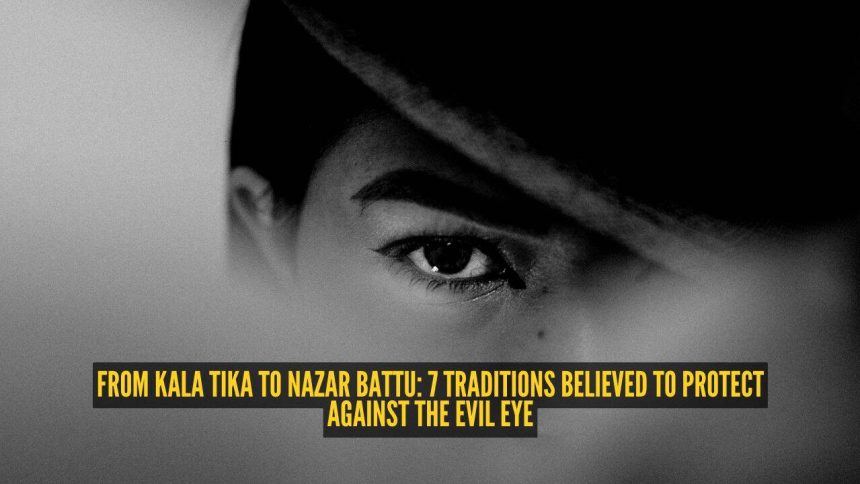
Across cultures and generations, the concept of the evil eye has been a constant presence, weaving a delicate tapestry of superstition, faith, and tradition. In many parts of India, it’s an unspoken understanding that the evil eye can bring misfortune, bad luck, and even harm to those who are its target. To counter this, people have developed an array of practices aimed at warding off its influence. From the vibrant red tika applied to newborns to the humble lemon tied to a new vehicle, these customs are a testament to the enduring power of tradition and the human desire for protection. Whether it’s a silent prayer or a carefully crafted ritual, these practices serve as a poignant reminder of our collective quest for security and peace of mind.
The Ancient Art of Protection
The practice of applying a kala tika, or red dot, to newborns is a centuries-old tradition in many Indian households. This symbolic act is believed to ward off the evil eye, bringing good fortune and prosperity to the child. In many cultures, the application of the kala tika is seen as a rite of passage, marking the beginning of the child’s journey through life. The vibrant red color is said to possess powerful spiritual properties, repelling negative energies and safeguarding the child from harm. As the child grows, the tradition is often continued, with parents and family members applying the kala tika on special occasions, such as birthdays and festivals.
Another tradition gaining popularity is the use of lemon and green chillies as a talisman against the evil eye. In many parts of India, lemons and green chillies are believed to possess purifying properties, driving away negative energies and protecting the wearer from harm. The combination of the lemon’s citrus scent and the chillies’ pungent aroma is said to create a potent shield against the evil eye, repelling it and bringing good fortune to the wearer. Whether tied to a vehicle, hung in a doorway, or carried as a charm, the lemon and green chillies have become an increasingly popular way to ward off the evil eye.
The Power of Silence: Celebrating Personal Achievements
In many cultures, personal achievements are often celebrated in a low-key manner, with the emphasis on humility and modesty. This is particularly true when it comes to overcoming adversity or achieving success in a particular field. In many Indian communities, the evil eye is believed to be particularly strong when it comes to personal achievements, and people often take great care to avoid drawing attention to themselves. Instead, they may quietly celebrate their success with a simple prayer or a small ritual, seeking to avoid the negative attention of the evil eye. This subtle approach to celebration is a testament to the enduring power of tradition and the human desire to stay under the radar.
One of the most fascinating aspects of these traditions is the way they bring people together, creating a sense of community and shared understanding. Whether it’s a family gathering or a community celebration, these customs serve as a powerful reminder of our collective connection to the world around us. By embracing these traditions, we can tap into the rich cultural heritage of our ancestors, finding strength and comfort in the knowledge that we are not alone.
The Enduring Legacy of the Evil Eye
As we navigate the complexities of modern life, it’s easy to dismiss these traditions as relics of a bygone era. However, the enduring power of the evil eye and its associated customs is a testament to the resilience of human culture. Whether we believe in the supernatural or simply see these practices as a way to bring good fortune, the impact of the evil eye traditions is undeniable. They remind us of the importance of humility, the value of community, and the power of tradition to shape our lives. As we move forward into an uncertain future, it’s worth considering the lessons we can learn from these ancient customs, embracing their wisdom and adapting their principles to our modern lives.
Ultimately, the evil eye traditions are a poignant reminder of our shared humanity, a testament to the power of faith and the enduring legacy of our cultural heritage. Whether we choose to believe in the supernatural or simply see these customs as a way to bring good fortune, their impact is undeniable. By embracing these traditions, we can tap into the rich cultural heritage of our ancestors, finding strength and comfort in the knowledge that we are not alone.