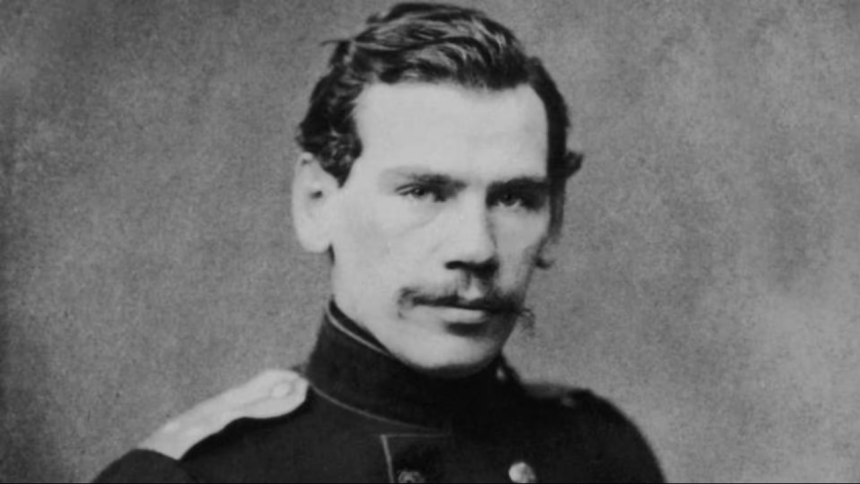
As the sun rises over the rolling hills of Yasnaya Polyana, a sense of hope and desperation hangs in the air. It’s a paradox that has plagued humanity for centuries – the pursuit of a better tomorrow, juxtaposed with the struggles of the present. In a small Russian village, the lives of the poor workers are a testament to this eternal conundrum. Outside the window of Leo Tolstoy’s home, where he sat drafting his essay on art and science, the rules of the land remained unchanged, a constant reminder of the stagnation that plagues our world.
Where Change Meets Resistance
In 1893, Tolstoy’s words ‘Everyone thinks of changing the world, but no one is willing to change himself or herself’ echoed through the halls of history. His observation still rings true today, as we witness the world grapple with the intricacies of progress. From the opulent cities of the West to the rural villages of the East, the yearning for change is palpable. However, it’s the reluctance to confront one’s own biases and privileges that hinders the process of transformation. As we strive for a better tomorrow, we must confront the mirror within ourselves – the unyielding desire for power, the fear of the unknown, and the reluctance to let go of the status quo.
The irony lies in the fact that we often find ourselves entangled in a web of contradictions. On one hand, we clamor for innovation and progress, yet on the other, we cling to the familiar and the comfortable. It’s a dialectical struggle that has played out throughout history, as the forces of change and tradition collide in an eternal dance. The poor workers at Yasnaya Polyana, toiling under the same rules for centuries, are a poignant reminder of the unseen struggles that lie beneath the surface of our societies.
The Power of Collective Action
The story of Yasnaya Polyana is not a tale of isolation, but of interconnectedness. The struggles of the workers are intertwined with the lives of those who inhabit the world around them – the landowners, the merchants, and the intellectuals. As Tolstoy wrote, ‘The only way to create a better world is to create better men.’ It’s a call to action that resonates across cultures and time, urging us to work towards a world where everyone has an equal chance to thrive. The collective power of individual actions can bring about significant change, as the world has seen time and time again.
From the Arab Spring to the Black Lives Matter movement, the world has witnessed the transformative power of collective action. It’s a testament to the human spirit’s capacity for resilience and resistance. As we strive for a better tomorrow, we must acknowledge the unseen struggles that lie beneath the surface of our societies and recognize the power of collective action in bringing about meaningful change.
The Ongoing Struggle for a Better Tomorrow
As we gaze out at the world today, we are met with a complex tapestry of challenges and opportunities. The struggles of Yasnaya Polyana serve as a poignant reminder of the ongoing battle for a better tomorrow. The world is changing at breakneck speed, and with it, the rules of the game are shifting. However, as Tolstoy’s words suggest, the greatest obstacle to change lies within ourselves. It’s a call to introspection, a reminder that the power to create a better world lies within each and every one of us.
The road ahead is uncertain, and the journey will be long and arduous. But as we strive for a better tomorrow, let us not forget the words of the aging Russian writer, ‘The only true wisdom is in knowing you know nothing.’ It’s a wisdom that encourages us to approach the world with humility and openness, acknowledging the complexities and contradictions that lie within.
As we continue on this journey, let us remember the unseen struggles of the world and the power of collective action in bringing about meaningful change. It’s a call to action that echoes through the halls of history, urging us to create a better world, one step at a time.