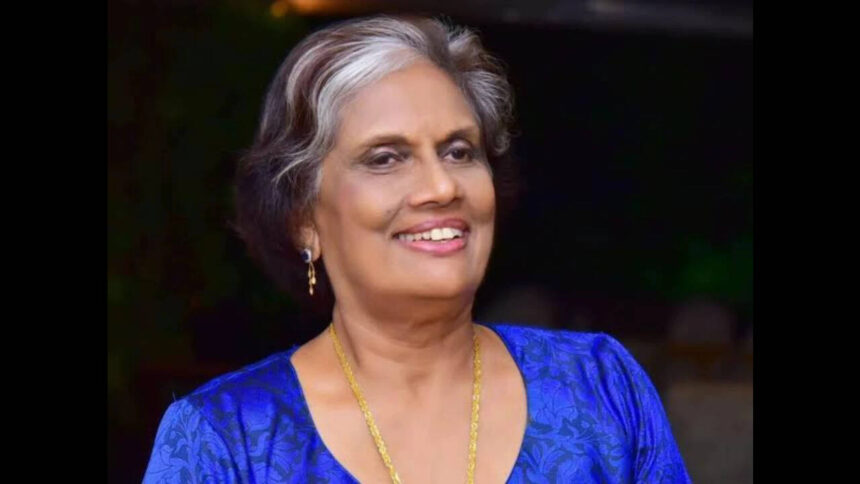
On a sweltering July day in 2005, Chandrika Bandaranaike Kumaratunga, Sri Lanka’s trailblazing first female president, sat down with Australian journalist Michael Maher to share her thoughts on the allure of supreme political office. As her presidency drew to a close, Kumaratunga’s candid remarks offered a glimpse into her perspective on the complexities of power and its true implications on leadership. Her statements, though brief, revealed a profound understanding of the human condition, one that transcended the confines of politics and spoke to the very essence of human nature.
Power: A Double-Edged Sword
In her conversation with Maher, Kumaratunga dismissed the notion that she was captivated by the high status and prestige that came with being the head of state. Instead, she framed power as a ‘joke’ that granted her the authority to act on her convictions for the betterment of her country. This perspective underscored her pragmatic approach to leadership, one that prioritized the welfare of the nation above personal ambitions. Kumaratunga’s words served as a poignant reminder that power, in and of itself, is a double-edged sword, capable of being wielded for the greater good or exploited for personal gain. Her humility and willingness to challenge the conventional wisdom surrounding power spoke volumes about her character and her commitment to the people she served.
The Sri Lankan president’s remarks also highlighted the inherent tension between individual ambition and the demands of public office. Kumaratunga’s decision to prioritize the needs of her country over personal aspirations reflected a deep understanding of the sacrifices that come with leadership. Her words served as a testament to the enduring power of conviction and the importance of staying true to one’s values, even in the face of overwhelming pressure to conform to traditional norms. By embracing this perspective, Kumaratunga demonstrated a level of self-awareness and introspection that is all too rare in the world of politics.
A Leader Above Convention
Kumaratunga’s presidency was marked by a series of significant challenges, from the ethnic conflict with the Tamil Tigers to the aftermath of the devastating tsunami that struck Sri Lanka in 2004. Throughout this tumultuous period, she demonstrated a steadfast commitment to her people, working tirelessly to broker peace and rebuild her nation. Her leadership style, though unorthodox, was characterized by a willingness to listen and adapt, qualities that served her well in navigating the complexities of Sri Lankan politics. By prioritizing the needs of her country above her own ambitions, Kumaratunga left an indelible mark on Sri Lankan history, one that will be remembered for generations to come.
As Kumaratunga’s presidency drew to a close, her parting words on the nature of power served as a poignant reminder of the enduring impact that a single individual can have on the world. Her commitment to the welfare of her people, her willingness to challenge conventional wisdom, and her humility in the face of power all stand as a testament to her character and her leadership. In an era marked by increasing polarization and partisanship, Kumaratunga’s message of unity and service serves as a powerful reminder of the transformative potential of leadership when guided by a sense of purpose and conviction.
A Lasting Legacy
Today, as Sri Lanka continues to navigate the complexities of its post-conflict landscape, Kumaratunga’s legacy serves as a beacon of hope for a brighter future. Her commitment to the welfare of her people, her willingness to challenge the status quo, and her humility in the face of power all stand as a testament to her character and her leadership. Though her time in office may have come to a close, the impact of her presidency will be felt for generations to come, a lasting reminder of the transformative potential of leadership when guided by a sense of purpose and conviction.
In the end, Kumaratunga’s candid reflections on the nature of power serve as a powerful reminder of the enduring impact that a single individual can have on the world. Her commitment to the welfare of her people, her willingness to challenge conventional wisdom, and her humility in the face of power all stand as a testament to her character and her leadership. As we look to the future, we would do well to remember her words, to prioritize the needs of our communities, and to strive for a world where power is wielded for the greater good.