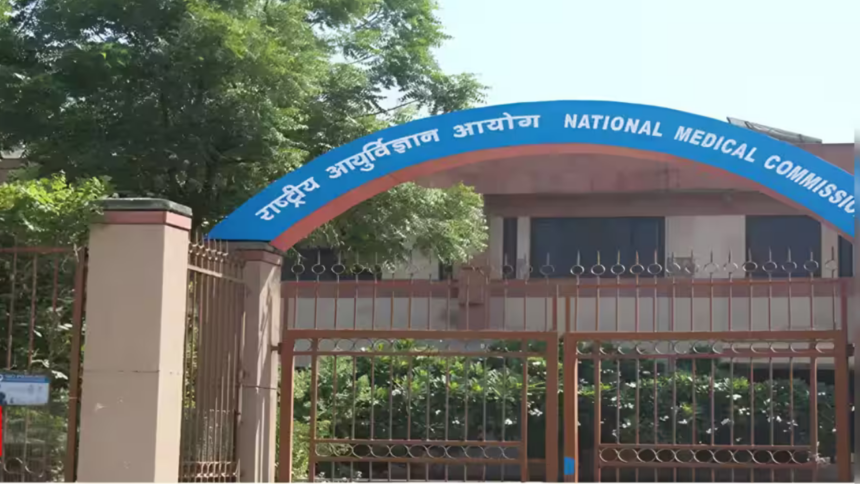
The medical landscape in India is set to undergo a significant transformation as the National Medical Commission (NMC) introduces a new framework for MBBS admissions, prioritizing the assessment of functional abilities over disability labels. This groundbreaking move aims to ensure that students with benchmark disabilities receive fair consideration for medical seats, without being hindered by preconceived notions of their limitations. By focusing on what each individual can achieve with reasonable accommodations, the NMC seeks to bridge the gap between accessibility and inclusivity in medical education.
Breaking Free from Stereotypes
The old system, which relied heavily on disability certificates and labels, often resulted in students with disabilities being relegated to a narrow set of options or being denied admission altogether. This one-size-fits-all approach failed to account for the diverse range of abilities and disabilities, leading to a lack of representation and diversity in medical institutions. The new guidelines, on the other hand, empower medical boards to conduct individual assessments, taking into account each candidate’s unique strengths and weaknesses. This shift in focus will not only ensure that students with disabilities have an equal opportunity to pursue their medical dreams but also foster a more inclusive and accepting environment within medical schools.
Moreover, the NMC’s new framework will also encourage medical institutions to adapt and evolve, integrating disability-responsive practices that promote accessibility and equity. This, in turn, will have a positive impact on the overall quality of medical education and patient care, as students with diverse backgrounds and perspectives bring fresh ideas and approaches to the table.
From Disability to Capacity
The individual assessment process will involve a multidisciplinary team of experts, including medical professionals, special educators, and rehabilitation specialists. Each candidate will undergo a comprehensive evaluation of their functional abilities, considering factors such as cognitive, motor, and communication skills. This holistic approach will help identify areas where students may require accommodations, such as extra time for exams or modifications to clinical training, allowing them to thrive in their academic pursuits. By recognizing and valuing the unique strengths and capacities of students with disabilities, the NMC is sending a powerful message about the importance of inclusivity and diversity in medical education.
This paradigm shift also has the potential to inspire a new generation of medical professionals, who will be equipped to address the complex healthcare needs of patients with disabilities. By breaking down barriers and challenging stereotypes, the NMC is paving the way for a more inclusive and equitable medical landscape, where everyone has the opportunity to reach their full potential.
A New Era of Inclusivity
The implementation of the NMC’s new guidelines marks a significant milestone in India’s journey towards inclusive education and healthcare. As medical institutions and professionals adapt to this new framework, we can expect to see a more diverse and representative student body, as well as a more compassionate and responsive healthcare system. The NMC’s commitment to breaking down barriers and promoting inclusivity sets a powerful precedent for other educational institutions and sectors to follow, reminding us that true progress is only possible when we recognize and value the unique contributions of every individual.
As the medical community embarks on this exciting new chapter, we can expect to see a ripple effect of positive change, extending far beyond the realm of medical education. By embracing diversity and promoting inclusivity, the NMC is helping to create a more just and equitable society, where everyone has the opportunity to thrive and reach their full potential.