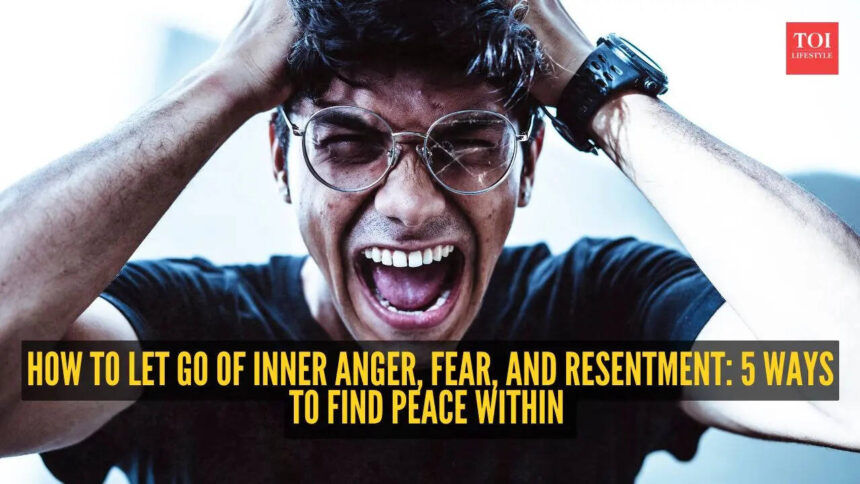
Have you ever caught yourself smiling in a family photo, only to be haunted by the anger that still simmers beneath the surface? Or perhaps you seem confident at work, but secretly fear that one mistake could ruin everything? We often think that time heals all wounds, but the truth is, unaddressed emotions can quietly shape our moods, relationships, and even our self-perception. Anger, fear, and resentment can be insidious, making it hard to let go and move forward. But what if you could release the grip these emotions have on you and find peace within? It’s possible, and it starts with making a few crucial shifts in your mindset and behavior.
1. Acknowledge Your Emotions, But Don’t Get Caught Up in Them
The first step to releasing anger, fear, and resentment is to acknowledge the emotions themselves. This might seem counterintuitive, as we often try to suppress or deny our feelings, especially if they’re uncomfortable or painful. However, avoiding or denying emotions can prevent us from processing and releasing them. Instead, try to recognize and accept your emotions, without judgment or attachment. Ask yourself, ‘What am I feeling right now?’ or ‘Why am I feeling this way?’ This simple act of acknowledgment can help you begin to untangle the emotions that are holding you back.
Once you’ve acknowledged your emotions, it’s essential to separate them from your identity. Remember that your emotions are not a definition of who you are; they’re a natural response to a situation or person. By recognizing this distinction, you can start to see that your emotions are not a fixed part of your personality, but rather a temporary state that can shift and change. This newfound understanding can help you develop a greater sense of compassion and empathy for yourself.
2. Practice Self-Reflection to Identify the Root Causes of Your Anger, Fear, and Resentment
Anger, fear, and resentment often stem from unmet needs, past traumas, or unaddressed expectations. To release these emotions, it’s crucial to explore the underlying causes. Take time to reflect on your experiences, relationships, and past events that may have contributed to your current emotional state. Ask yourself questions like, ‘What happened that triggered this emotion?’ or ‘How did this event affect me?’ This self-reflection can help you identify patterns, gain insight, and develop a deeper understanding of yourself.
As you reflect on your experiences, try to reframe your perspective. Instead of dwelling on the negative, focus on the lessons you’ve learned, the growth you’ve experienced, and the strength you’ve developed. This reframing can help you transform your emotions from sources of pain to opportunities for growth and self-improvement.
3. Develop Empathy and Forgiveness for Yourself and Others
Forgiveness is a powerful tool for releasing anger, fear, and resentment. However, it’s not about forgetting or condoning past hurts; it’s about releasing the emotional charge associated with them. Forgiveness is a process, and it may take time, patience, and self-compassion. Start by practicing forgiveness towards yourself, acknowledging that you did the best you could with the resources you had at the time. Then, try to extend forgiveness to others, not for their sake, but for yours. Holding onto resentment can prevent you from moving forward and experiencing peace.
Developing empathy for yourself and others can also help you release anger, fear, and resentment. Try to see things from other people’s perspectives, understanding that they may have been operating from their own limitations, biases, or pain. This newfound empathy can help you develop a greater sense of compassion and understanding, making it easier to let go of negative emotions.
As you work to release anger, fear, and resentment, remember that it’s a journey, not a destination. It’s okay to take things one step at a time, and it’s essential to be patient and kind to yourself throughout the process. With time, self-reflection, and a willingness to forgive and let go, you can break free from the grip of these emotions and find peace within.
Breaking free from anger, fear, and resentment requires courage, self-awareness, and a willingness to confront the past. It’s not always easy, but the reward is worth it – a more peaceful, compassionate, and authentic you. By acknowledging your emotions, practicing self-reflection, and developing empathy and forgiveness, you can start to release the grip these emotions have on you and find the peace and freedom you deserve.